In the world of citizen’s band (CB) radio, a crystal-clear signal is paramount. Whether you’re a long-haul trucker relying on communication for safety and efficiency, an off-road enthusiast staying connected on remote trails, or simply a hobbyist exploring the airwaves, the quality of your radio’s performance hinges significantly on a crucial, yet often overlooked, component: the coaxial cable.
The coaxial cable acts as the vital conduit, carrying the radio frequency (RF) signal from your CB transceiver to the antenna. A subpar cable can introduce signal loss, distortion, and interference, effectively turning your powerful transmitter into a whisper. Conversely, a well-chosen coaxial cable can maximize your transmit power and minimize noise, ensuring your voice reaches its destination loud and clear. This article will guide you through the intricate process of selecting the right coaxial cable for your CB radio, empowering you to make informed decisions and optimize your communication experience.
Understanding the Fundamentals: What is Coaxial Cable?
Before diving into selection criteria, let’s briefly understand what makes a coaxial cable tick. At its core, a coaxial cable consists of four primary layers:
- Center Conductor: This is the inner wire, typically made of copper, which carries the RF signal.
- Dielectric Insulator: Surrounding the center conductor, this material (often polyethylene foam or solid plastic) provides electrical insulation and dictates the cable’s impedance.
- Shielding: This layer, usually braided copper or foil, acts as a barrier against external electromagnetic interference (EMI) and prevents the RF signal from leaking out.
- Outer Jacket: The outermost layer, made of PVC or other durable materials, protects the cable from environmental damage, abrasion, and moisture.
The interplay of these components, particularly the dielectric and shielding, determines the cable’s electrical characteristics, most importantly its impedance and signal loss. For CB radio applications, a standard impedance of 50 ohms is universally adopted.
Key Factors in Coaxial Cable Selection for CB Radios

Choosing the right coaxial cable involves a careful consideration of several critical factors. Neglecting any of these can compromise your CB radio’s performance. Let’s explore each one in detail:
1. Impedance: The Foundation of Signal Integrity
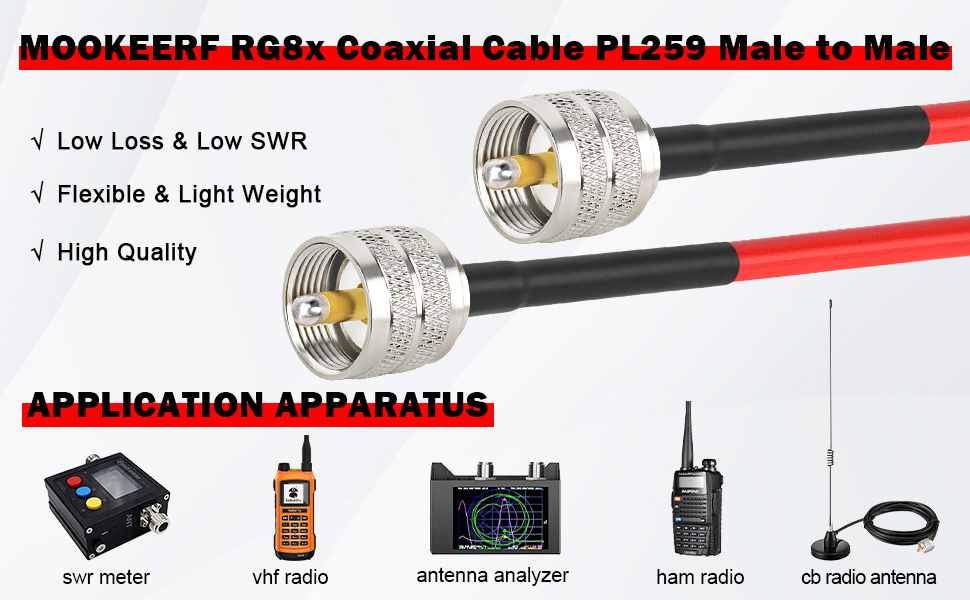
As mentioned, CB radios and antennas operate at a nominal impedance of 50 ohms. This impedance needs to be maintained throughout the entire system, from the radio to the antenna. Using a coaxial cable with an impedance that deviates from 50 ohms will create an impedance mismatch, leading to signal reflections. These reflections bounce back and forth between the radio and antenna, causing significant signal loss and potentially damaging your radio’s final output stage.
Why it matters: A mismatched impedance is like trying to force water through a pipe that’s too narrow in one section and too wide in another. The flow is interrupted, and energy is lost.
Recommendation: Always choose coaxial cables specifically rated for 50-ohm impedance for your CB radio setup. Most cables designed for RF applications will clearly state their impedance. Common options you’ll encounter are:
- RG-58: A popular, flexible, and relatively inexpensive cable. It’s suitable for shorter runs but can experience higher signal loss over longer distances.
- RG-8X (or Mini-8): A good compromise offering lower loss than RG-58 while maintaining flexibility.
- RG-8 (or RG-213): A thicker, more robust cable with significantly lower signal loss. It’s ideal for longer runs but is less flexible.
2. Attenuation: The Silent Killer of Signal Strength
Attenuation refers to the loss of signal strength as it travels through the coaxial cable. This loss is usually measured in decibels (dB) per 100 feet or per meter at a specific frequency. For CB radio frequencies (around 27 MHz), attenuation is a critical consideration, especially for longer cable runs.
Why it matters: Every dB of signal loss means a reduction in your transmit power reaching the antenna and a decrease in the strength of the signals you receive. This directly impacts your communication range and clarity.
Case Study: Imagine two CB radio setups with identical radios and antennas. Setup A uses 50 feet of RG-58 cable, while Setup B uses 50 feet of RG-8 cable. At 27 MHz, RG-58 might have an attenuation of around 3-4 dB per 100 feet, while RG-8 could be as low as 1-2 dB per 100 feet. This means Setup A experiences a significantly higher signal loss, resulting in a weaker transmitted signal and a reduced receive sensitivity compared to Setup B.
Statistics to Consider: While exact figures vary by manufacturer and specific cable construction, generally speaking:
- RG-58 can have a loss of approximately 5-7 dB per 100 feet at 27 MHz.
- RG-8X can have a loss of approximately 3-5 dB per 100 feet at 27 MHz.
- RG-8/RG-213 can have a loss of approximately 1.5-3 dB per 100 feet at 27 MHz.
As you can see, the difference in attenuation can be substantial. For longer runs (over 25-30 feet), opting for a cable with lower attenuation like RG-8X or RG-8 is highly recommended.
3. Cable Length: The Inverse Relationship with Performance
The length of your coaxial cable run is directly proportional to signal loss. The longer the cable, the more attenuation you will experience. Therefore, it’s crucial to use the shortest practical length of cable that connects your radio to your antenna.
Why it matters: Overestimating your cable needs and using excessive length is a common mistake that degrades performance. Plan your installation carefully to minimize unnecessary cable.
Example: If your radio is 20 feet away from your antenna, using a 50-foot cable is detrimental. It’s better to cut the cable to the exact length needed, ensuring optimal signal transfer.
4. Flexibility and Durability: Balancing Ease of Installation and Longevity
The physical characteristics of the coaxial cable are also important, especially during installation and in harsh environments.
- Flexibility: Thinner cables like RG-58 and RG-8X are more flexible, making them easier to route through tight spaces, around corners, and in vehicles. Thicker cables like RG-8 are less flexible and can be more challenging to work with.
- Durability: Consider the environment where the cable will be installed. If it’s exposed to sunlight, extreme temperatures, or constant movement (like in a vehicle), a cable with a robust outer jacket designed for outdoor or automotive use is essential. UV-resistant and abrasion-resistant jackets will prolong the cable’s lifespan.
Recommendation: For in-vehicle installations, a balance between flexibility and durability is often desired. RG-8X strikes a good balance. For fixed installations where the cable won’t be subjected to much movement, a slightly less flexible but lower-loss cable like RG-8 might be preferable if longer runs are involved.
5. Connectors: The Crucial Link to Your Equipment
The connectors on your coaxial cable are just as important as the cable itself. They are the points where the cable interfaces with your CB radio and antenna.
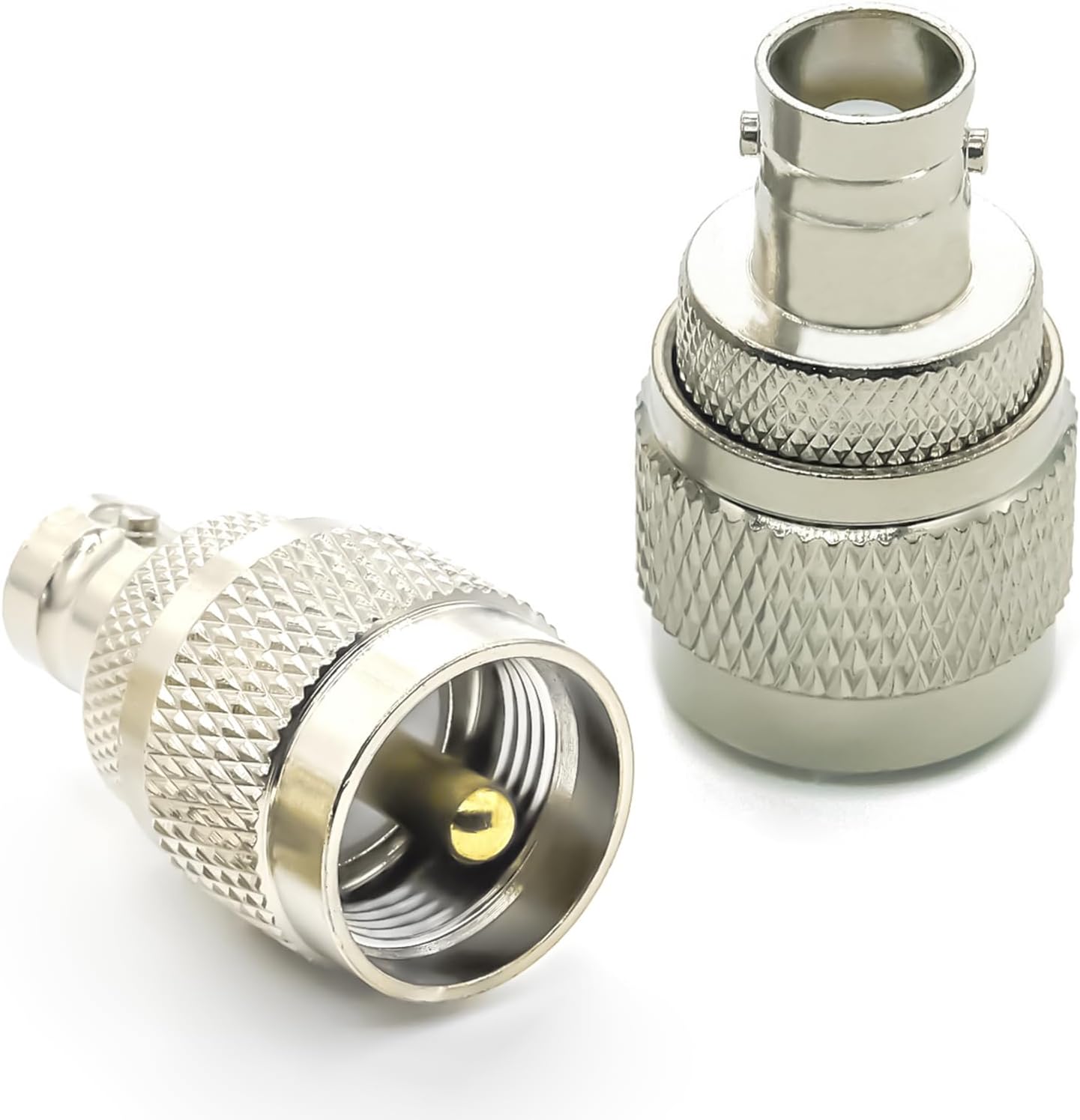
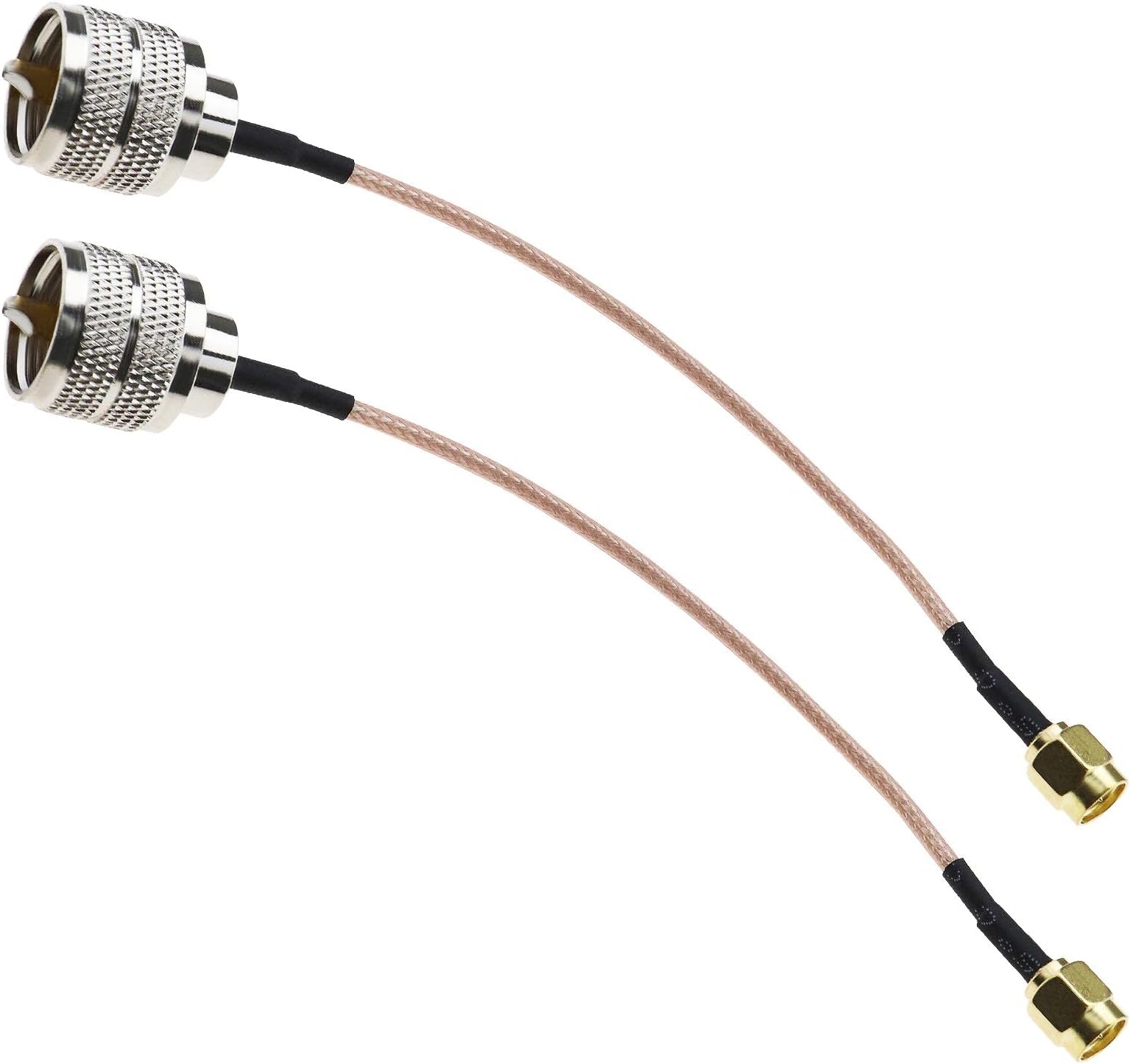
- PL-259/SO-239: This is the standard connector type for most CB radios and antennas. Ensure the connectors on your cable are properly crimped or soldered to the cable for a secure and reliable connection. Poorly terminated connectors can lead to high resistance and signal loss.
- N-Type Connectors: While less common for standard CB setups, N-type connectors are sometimes used for more advanced or professional installations due to their superior weather resistance and performance at higher frequencies. However, for most CB users, sticking to PL-259 is the norm.
Why it matters: A loose or corroded connector can be a significant source of signal loss and noise, negating the benefits of a high-quality cable. Always inspect connectors for damage and ensure they are clean and securely attached.
Choosing the Right Cable for Common CB Radio Scenarios

To further illustrate, let’s consider some common CB radio applications and the coaxial cable choices that best suit them:
- Short-Range Mobile (Vehicle with Radio and Antenna Close Together): For runs under 15 feet, RG-58 is often sufficient due to its flexibility and lower cost. However, RG-8X offers a slight improvement in performance with minimal added bulk.
- Long-Haul Trucking or Extended Vehicle Installations: When longer cable runs (20-40 feet or more) are necessary, minimizing signal loss is paramount. RG-8X is a good starting point, but RG-8 (RG-213) becomes increasingly advantageous for its significantly lower attenuation. Durability for automotive use is also a key consideration here.
- Base Station Setup (Fixed Location): For base stations, where cable runs can sometimes be longer and flexibility is less of a concern, RG-8 (RG-213) is the preferred choice for its excellent low-loss characteristics. If the cable needs to be routed through conduits or exposed to the elements, ensure it has a suitable weather-resistant outer jacket.
- Off-Roading and Harsh Environments: In these situations, durability is paramount. Look for coaxial cables with rugged, UV-resistant, and abrasion-resistant outer jackets. While RG-58 might be the most flexible, its durability might be compromised in demanding off-road conditions. RG-8X or even RG-8 with a heavy-duty jacket would be better options.
Beyond the Basics: Advanced Considerations

While the core factors above will guide most CB radio users, a few advanced considerations might be relevant for those seeking ultimate performance:
- Shielding Effectiveness: Higher quality cables often feature double or triple shielding (e.g., braided shield plus foil shield) for superior protection against EMI. This is particularly important in areas with a lot of radio frequency noise.
- Dielectric Material: The type of dielectric material used can influence signal loss. Foam polyethylene dielectrics generally offer lower loss than solid polyethylene but can be more susceptible to moisture if the jacket is breached.
- Manufacturer Reputation: Reputable manufacturers often invest in higher quality materials and stricter manufacturing processes, leading to more consistent and reliable cable performance.
Your Voice, Amplified
Choosing the right coaxial cable for your CB radio is not a trivial decision; it’s a fundamental step in ensuring optimal performance and maximizing your communication capabilities. By understanding the principles of impedance, attenuation, and the physical characteristics of different cable types, you can confidently select a cable that aligns with your specific needs and budget.
Remember, a short, low-loss cable is always preferable to a long, high-loss cable. Prioritize 50-ohm impedance, select a cable with minimal attenuation for your intended cable length, and consider the durability and flexibility required for your installation. Investing in a quality coaxial cable is an investment in clear communication, reliable connections, and a more enjoyable CB radio experience. Don’t let a subpar cable be the bottleneck in your communication system; empower your voice to travel farther and clearer with the right coaxial connection.