The Three Wise Men, also known as the Magi or Kings, hold a significant place in the Nativity story, representing a journey of spiritual enlightenment and the acknowledgment of divinity. These figurines are often seen during the Christmas season, serving as decorative pieces in homes and churches worldwide. But what do they symbolize? This article delves into the rich symbolism behind the Three Wise Men figurines, exploring their origins, meanings, and cultural significance.
Historical Context of the Three Wise Men
The Magi, as described in the Gospel of Matthew (2:1-12), were learned men from the East who came to pay homage to the newborn Jesus, bringing gifts of gold, frankincense, and myrrh. Their journey has deep roots in history and tradition, illustrating three distinct aspects of Jesus’ identity and mission.
- Gold: Represents Jesus’ royal status and kingship.
- Frankincense: Symbolizes His divinity and role as the High Priest.
- Myrrh: Foreshadows His suffering and death, indicating His humanity.
The Magi’s journey is not just a physical trek; it symbolizes the pursuit of wisdom and the search for truth. The figures of the Wise Men serve as a reminder of the importance of seeking knowledge and guidance from beyond one’s immediate surroundings.
The Figurines: Craftsmanship and Representation
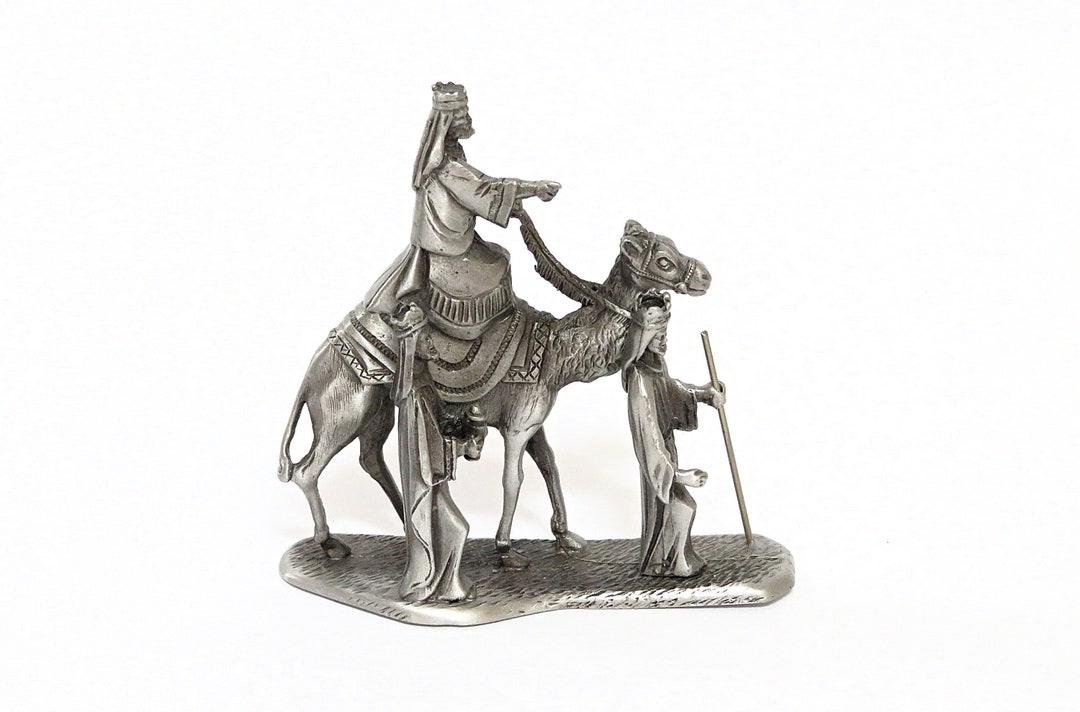
The craftsmanship of Three Wise Men figurines varies greatly across cultures, highlighting regional artistic styles and materials. From intricate porcelain designs to rustic wooden carvings, these figurines embody both beauty and symbolism.
- Porcelain Figurines: Often found in Western cultures, these delicate pieces symbolize purity and refinement.
- Wooden Carvings: Common in Latin America, they reflect a connection to nature and traditional craftsmanship.
- Metal Figurines: Popular in Africa and the Middle East, these pieces may represent strength and resilience.
The Symbolic Interpretations of the Gifts
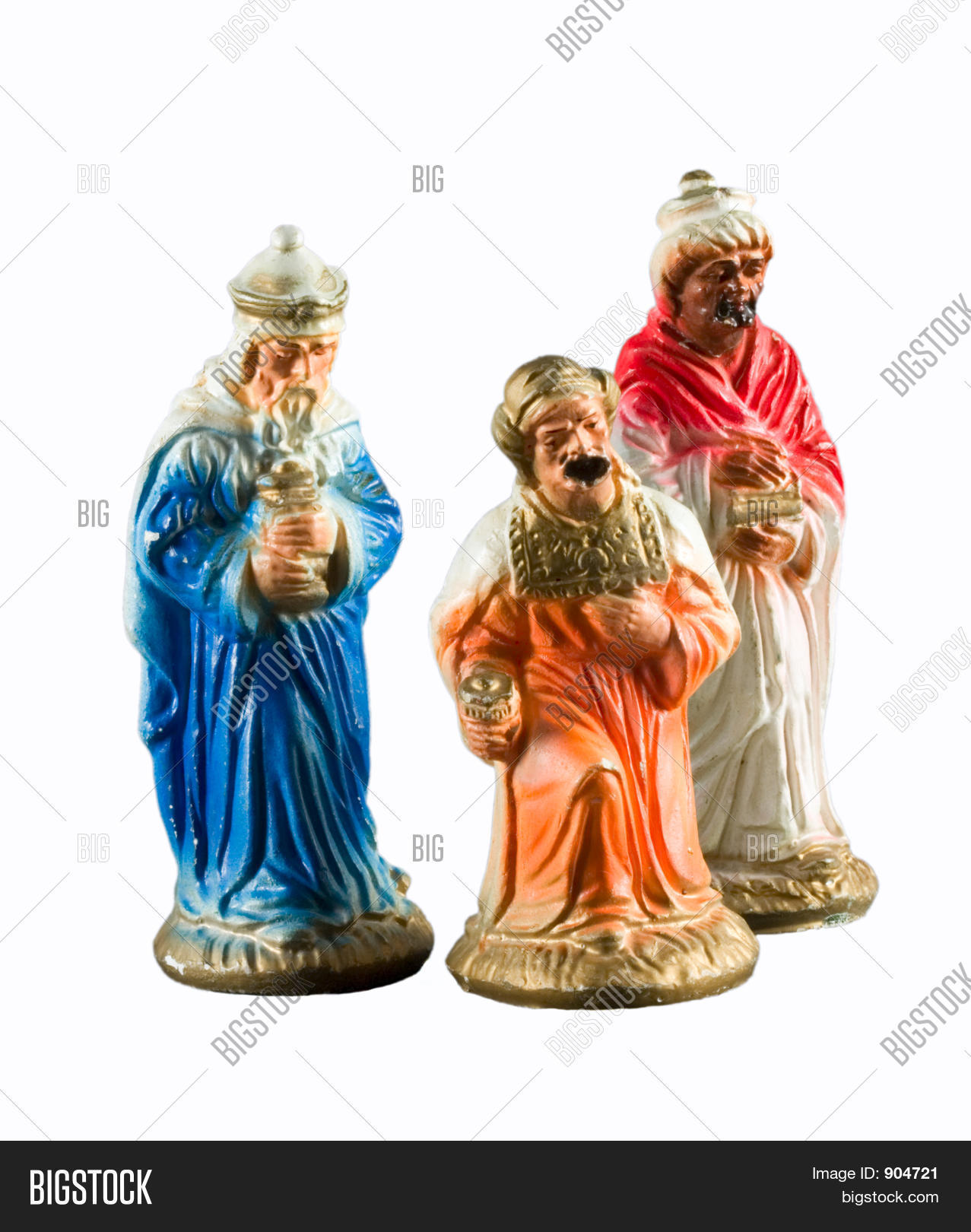
Each gift brought by the Wise Men carries profound symbolic meaning that transcends mere material value. These interpretations offer insights into the nature of Jesus and His mission on Earth.
Gold: The Gift of Kingship

Gold is universally recognized as a symbol of wealth and royalty. By presenting gold to Jesus, the Magi acknowledged His status as the King of Kings. This gift emphasizes the belief in Christ as the sovereign ruler not just of Israel but of all humanity.
Frankincense: The Gift of Divinity
Frankincense, a fragrant resin used in religious ceremonies, symbolizes Jesus’ divine nature. In ancient times, it was often burned in temples to honor deities. Thus, this gift reflects the recognition of Christ as the Son of God, worthy of worship and reverence.
Myrrh: The Gift of Humanity
Myrrh, used in ancient times for embalming, foreshadows Jesus’ suffering and death. This gift serves as a poignant reminder of His humanity and the sacrifice He would ultimately make for the salvation of humanity. It invites reflection on the dual nature of Christ as both divine and human.
Cultural Significance and Variations

The Three Wise Men figurines are not only religious symbols but also cultural icons in various communities. Different cultures interpret the Magi’s story and symbolism in unique ways, enriching the narrative and its significance.
- Latin American Traditions: In many Latin American countries, the Day of the Three Kings (Día de Reyes) is celebrated on January 6th, featuring parades, special pastries, and the giving of gifts. This tradition emphasizes the importance of the Magi in the Christmas season.
- European Customs: In some European countries, the Magi are depicted in elaborate Nativity scenes, with each figure dressed in regional attire, symbolizing the unity of cultures in worship.
- Eastern Orthodox Traditions: The Magi are often honored with their own feast day, reflecting their role in the Epiphany, which celebrates the revelation of Christ to the Gentiles.
The Modern Relevance of the Wise Men Figurines

In today’s world, the Three Wise Men figurines continue to hold relevance, serving as symbols of hope, unity, and the quest for knowledge. They remind us of the importance of looking beyond ourselves and embracing the wisdom found in diverse cultures and traditions.
- Spiritual Reflection: Many people use the figurines as a focal point for reflection during the Christmas season, contemplating the deeper meanings of the gifts.
- Artistic Expression: Artists and crafters continue to create unique interpretations of the Wise Men, showcasing the figurines as a form of cultural expression.
- Community Engagement: Churches and community groups often host events centered around the Magi, encouraging discussions about faith, diversity, and understanding.
Conclusion: The Enduring Legacy of the Three Wise Men

The Three Wise Men figurines are much more than mere decorations; they are rich in symbolism, history, and cultural significance. Representing the journey of enlightenment, the acknowledgment of Jesus’ identity, and the importance of seeking wisdom, these figurines continue to inspire and unite people across the globe. As we reflect on their gifts of gold, frankincense, and myrrh, we are reminded of the deeper meanings of Christmas—a time for hope, reflection, and the pursuit of truth. The legacy of the Magi endures, encouraging us to embrace diversity and the shared human quest for understanding and wisdom.
:max_bytes(150000):strip_icc()/Joao2PiecePoplarSolidWoodFloatingShelf-db83116ccb084a57826f716b9ba4078e.jpeg "5 Creative Ways to Style Floating Wood Shelves in Your Kitchen")