When it comes to selecting a fan for any industrial, commercial, or even residential application, a crucial decision often arises: should you opt for a belt-driven fan or a direct-drive fan? Both have their distinct advantages and disadvantages, and the “best” choice is rarely a one-size-fits-all answer. Instead, it depends heavily on the specific requirements of your application, including airflow needs, space constraints, maintenance capabilities, and budget. This comprehensive guide will delve into the intricacies of both fan types, empowering you to make an informed decision.
Understanding the Core Difference: Power Transmission
At its heart, the fundamental difference between belt-driven and direct-drive fans lies in how power is transmitted from the motor to the fan impeller. This distinction significantly impacts their performance, efficiency, maintenance, and overall cost-effectiveness.
Belt Driven Fans: The Classic Workhorse
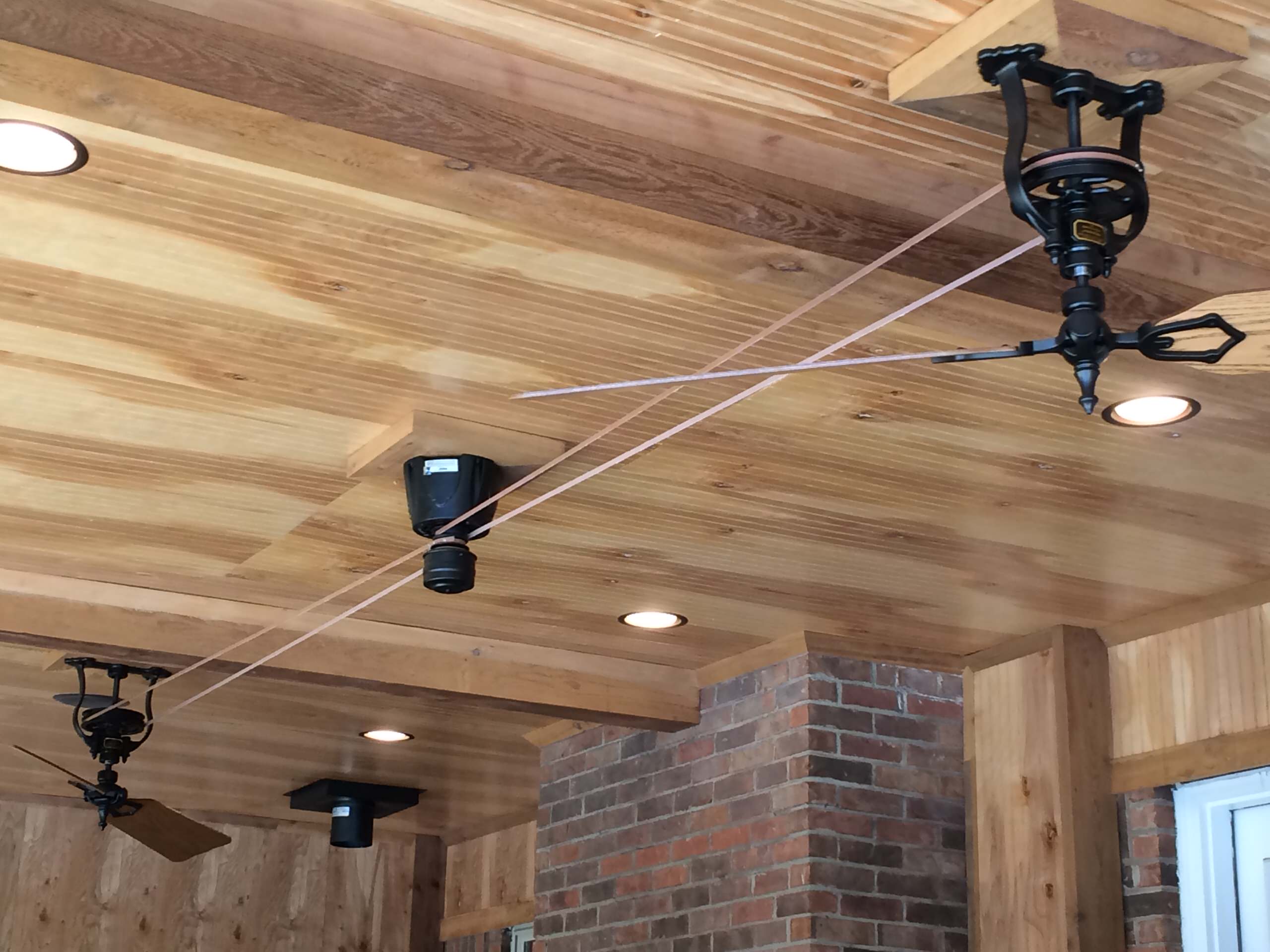
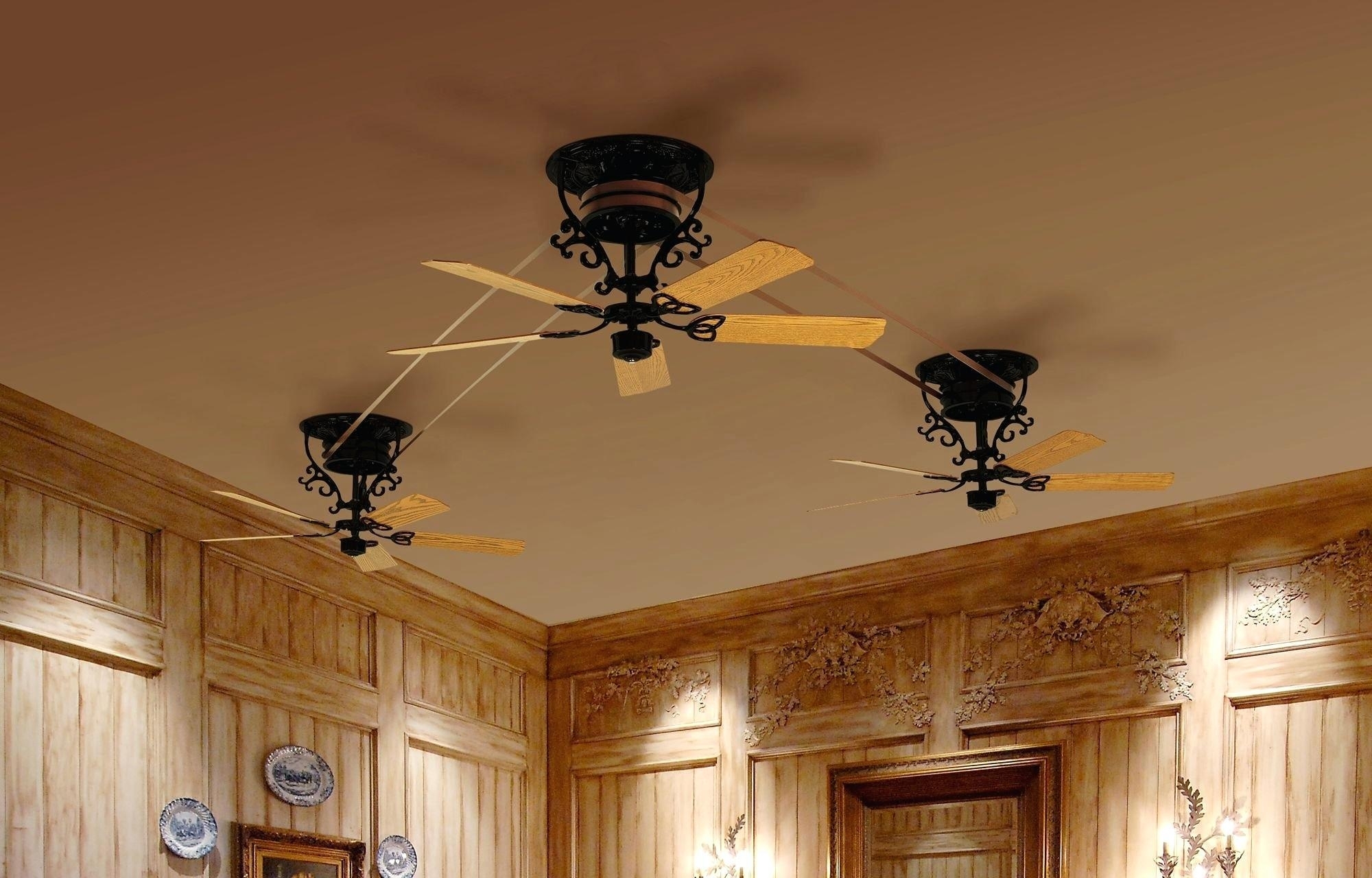
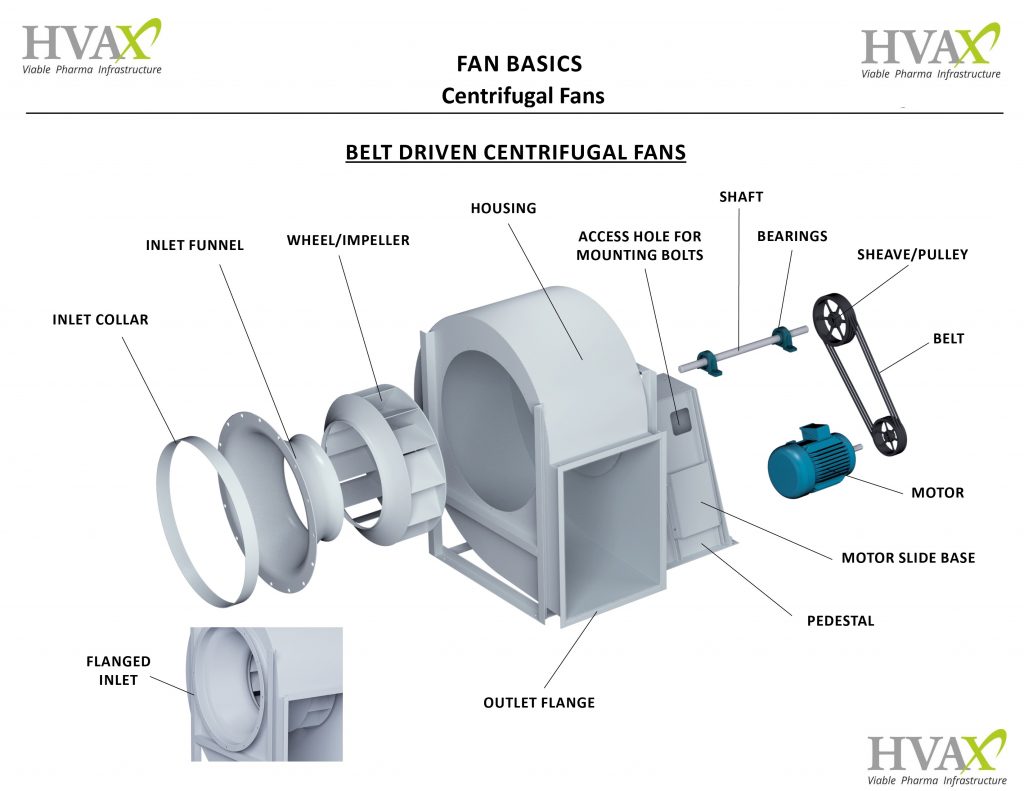
Belt-driven fans, as the name suggests, utilize a belt and pulley system to transfer rotational energy from the motor to the fan shaft. The motor is mounted separately from the fan, and a V-belt or other type of belt connects the motor pulley to a larger pulley on the fan shaft.
How They Work:
The motor rotates at a specific speed, turning its pulley. This rotation is then transferred to the fan shaft through the belt, which wraps around both pulleys. The ratio of the pulley diameters determines the speed of the fan impeller. A larger pulley on the fan shaft relative to the motor pulley will result in a slower fan speed, and vice-versa.
Key Advantages of Belt Driven Fans:
- Speed Adjustment Flexibility: This is arguably the most significant advantage. By simply changing the size of the pulleys or the belt tension, you can easily adjust the fan’s speed to meet varying airflow requirements. This is particularly beneficial in applications where precise airflow control is needed or where conditions might change over time.
- Motor Isolation and Cooling: The separation of the motor from the fan housing allows for better motor cooling. The motor can be placed in an area with optimal ventilation, extending its lifespan and reducing the risk of overheating, especially in hot or dusty environments.
- Motor Versatility: A wide range of motor types and sizes can be used with belt-driven fans. This allows for greater flexibility in selecting a motor that perfectly matches the power and efficiency needs of the application.
- Reduced Vibration Transmission: The belt acts as a natural dampener, absorbing some of the vibration generated by the motor. This can lead to quieter operation and less stress on the fan assembly.
- Easier Motor Replacement: If the motor fails, it can be replaced independently without having to disassemble the entire fan assembly.
Potential Drawbacks of Belt Driven Fans:
- Lower Efficiency: The belt and pulley system introduces frictional losses, meaning some energy is lost during power transmission. This can result in lower overall efficiency compared to direct-drive fans.
- Higher Maintenance Requirements: Belts can wear out over time and require periodic inspection, tensioning, and eventual replacement. Pulleys also need to be checked for wear.
- Belt Slippage: If the belt is not properly tensioned or is worn, it can slip, leading to a reduction in fan speed and airflow, and potentially premature wear.
- Space Requirements: The separate mounting of the motor necessitates a larger overall footprint for the fan system.
- Potential for Belt Breakage: In extreme conditions or with poor maintenance, belts can break, leading to immediate shutdown of the fan.
When to Consider Belt Driven Fans:
Belt-driven fans are an excellent choice for applications that demand:
- Variable Airflow Requirements: Manufacturing processes that change, or HVAC systems that need to adapt to occupancy levels.
- Harsh or Dusty Environments: Where motor cooling and protection are paramount.
- Long-term Operational Flexibility: The ability to easily reconfigure fan performance.
- Applications where precise speed control is achieved through pulley ratios.
Case Study Snippet: A large chemical processing plant utilized belt-driven fans for their exhaust systems. The ability to easily adjust fan speeds allowed them to optimize airflow for different production cycles, leading to significant energy savings and improved air quality control within the facility. The isolated motor also ensured longevity in the corrosive environment.
Direct Drive Fans: The Epitome of Simplicity and Efficiency
In direct-drive fans, the motor shaft is directly connected to the fan impeller. There are no belts, pulleys, or gears involved in the power transmission. This direct connection offers inherent advantages in terms of simplicity and efficiency.
How They Work:
The motor’s rotor is directly coupled to the fan impeller. When the motor spins, the impeller spins at the exact same speed. The fan’s speed is therefore dictated by the motor’s speed, which is typically set by the frequency of the electrical supply (for AC motors) or the motor’s design (for DC motors).
Key Advantages of Direct Drive Fans:
- Higher Efficiency: By eliminating frictional losses associated with belts and pulleys, direct-drive fans are generally more energy-efficient. This translates to lower electricity consumption and reduced operating costs.
- Lower Maintenance: With fewer moving parts, direct-drive fans require significantly less maintenance. There are no belts to inspect, tension, or replace, and no pulleys to lubricate or wear out.
- Compact Design: The integrated design of the motor and fan results in a smaller footprint, making them ideal for applications with space constraints.
- Quieter Operation: The absence of belts and pulleys can contribute to quieter operation, especially in noise-sensitive environments.
- Increased Reliability: Fewer components mean fewer potential points of failure, leading to higher reliability and reduced downtime.
- Precise Speed Control (with VFDs): While the motor speed is directly tied to the electrical supply, the integration of Variable Frequency Drives (VFDs) allows for precise and efficient speed control, offering flexibility comparable to belt-driven systems but with higher efficiency.
Potential Drawbacks of Direct Drive Fans:
- Limited Speed Adjustment Flexibility (without VFDs): Without a VFD, the fan speed is fixed by the motor’s design and the electrical frequency. Adjusting speed requires changing the motor or the electrical supply, which is less convenient than changing pulleys.
- Motor Cooling Challenges: The motor is often integrated within or very close to the fan housing, which can lead to higher operating temperatures. This may require more robust motor designs or specialized cooling mechanisms in high-temperature applications.
- Vibration Transmission: Vibrations from the motor can be directly transmitted to the fan, potentially leading to increased noise levels and wear on bearings.
- Motor Replacement Complexity: If the motor fails, it might require more extensive disassembly to replace compared to a belt-driven system.
- Limited Motor Options: The fan impeller must be designed to match the motor’s shaft and speed capabilities.
When to Consider Direct Drive Fans:
Direct-drive fans are an excellent choice for applications that require:
- High Energy Efficiency: Environments where minimizing energy consumption is a priority.
- Minimal Maintenance: Situations where access for maintenance is difficult or costly.
- Compact Installations: Where space is at a premium.
- Consistent Airflow Requirements: Where the fan speed doesn’t need frequent adjustment.
- Applications where VFDs are used for precise speed control.
Statistic: According to the U.S. Department of Energy, upgrading to high-efficiency motors and optimizing fan systems can lead to energy savings of 20-50% in industrial applications. Direct-drive fans, due to their inherent efficiency, often contribute significantly to achieving these savings.
Direct Comparison: Key Performance Indicators
To further illustrate the differences, let’s compare the two fan types across critical performance indicators:
Efficiency:
- Direct Drive: Generally higher due to minimal energy loss.
- Belt Drive: Lower due to frictional losses in the belt and pulley system.
Maintenance:
- Direct Drive: Significantly lower; no belts or pulleys to maintain.
- Belt Drive: Higher; requires regular belt inspection, tensioning, and replacement.
Initial Cost:
- Direct Drive: Can be higher for the integrated motor unit, especially with advanced features.
- Belt Drive: Often lower for the basic fan and motor components, but the overall system cost needs to consider the pulley and belt assembly.
Operating Cost:

- Direct Drive: Lower due to higher energy efficiency and reduced maintenance.
- Belt Drive: Higher due to lower efficiency and ongoing maintenance costs.
Space Requirements:
- Direct Drive: More compact.
- Belt Drive: Requires a larger footprint due to separate motor mounting.
Speed Adjustment:
- Direct Drive: Requires VFDs for efficient and flexible adjustment; fixed speed without VFD.
- Belt Drive: Easily adjustable by changing pulley sizes.
Noise Levels:
- Direct Drive: Can be quieter due to fewer moving parts, but motor noise can be more prominent.
- Belt Drive: Belt noise can be a factor, but the belt can also dampen motor vibrations.
Making the Right Choice for Your Application

The decision between belt-driven and direct-drive fans boils down to a careful assessment of your specific needs and priorities. Consider the following questions:
- What is the required airflow and static pressure?
- Is precise and frequent airflow adjustment necessary?
- What are the environmental conditions (temperature, dust, corrosiveness)?
- What are the space limitations?
- What is your budget for initial purchase and long-term operation?
- What are your maintenance capabilities and resources?
- Are noise levels a critical concern?
For applications where energy efficiency and minimal maintenance are paramount, and space is at a premium, a direct-drive fan with a VFD is often the superior choice. Examples include ventilation in clean rooms, exhaust fans in commercial kitchens, or air handling units in modern buildings.
Conversely, if you require significant flexibility in airflow adjustment without the added complexity of VFDs, or if the fan will be operating in extremely harsh environments where motor isolation is crucial, a belt-driven fan might be the more practical and cost-effective solution. Industrial processes with fluctuating demand, large agricultural ventilation systems, or heavy-duty exhaust in foundries are good examples.
A Calculated Decision for Optimal Performance

In the ongoing debate between belt-driven and direct-drive fans, there is no single victor. Both technologies offer distinct advantages that cater to different needs. Belt-driven fans provide unparalleled flexibility in speed adjustment and excellent motor protection in challenging environments, making them a reliable choice for a wide range of industrial applications. On the other hand, direct-drive fans excel in efficiency, require less maintenance, and offer a more compact footprint, making them increasingly popular for applications where energy savings and simplified operation are key. By thoroughly understanding the operational characteristics, advantages, and disadvantages of each type, and by carefully evaluating the specific demands of your application, you can make a calculated decision that ensures optimal performance, longevity, and cost-effectiveness for years to come.