When it comes to designing a home bar wall unit, the choice of materials is crucial. The materials you select will not only affect the aesthetic appeal of the unit but also its functionality, durability, and maintenance needs. This comprehensive guide will explore the various materials available for constructing a bar wall unit, providing you with the insights needed to make an informed decision.
Understanding Your Needs

Before diving into the materials themselves, it’s essential to understand your specific needs and preferences. Consider the following factors:
- Space Availability: Assess the size of the area where your bar unit will be placed. A small space may require a sleek, minimalist design, while a larger area can accommodate more elaborate structures.
- Style Preference: Do you prefer modern, rustic, or traditional styles? Your material choice should reflect the overall aesthetic of your home.
- Functionality: Determine how you plan to use the bar unit. Will it serve as a full-service bar, or is it primarily for display?
- Budget: Establish a budget for your bar unit. Different materials come with varying costs, which can significantly impact your overall spending.
Material Options for Your Bar Wall Unit

With a clear understanding of your needs, let’s explore some popular materials used in constructing bar wall units:
Wood
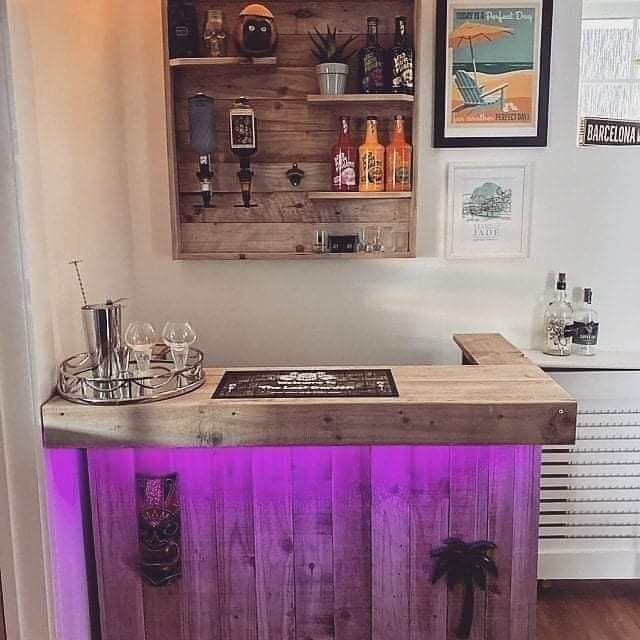
Wood is one of the most popular materials for bar units due to its versatility and timeless appeal. Here are some things to consider:
- Types of Wood: Options include hardwoods like oak, cherry, and walnut, which are durable and beautiful. Softwoods like pine are more affordable but may not be as long-lasting.
- Finishes: Wood can be stained or painted to achieve the desired look. A high-gloss finish can create a modern feel, while a distressed finish can add rustic charm.
- Maintenance: Wooden surfaces require regular cleaning and occasional refinishing to maintain their appearance.
For example, a walnut bar unit can provide a rich, warm look that complements a variety of decor styles. A case study of a homeowner who chose a custom oak bar found that it not only added aesthetic value but also increased the property’s resale appeal.
Metal
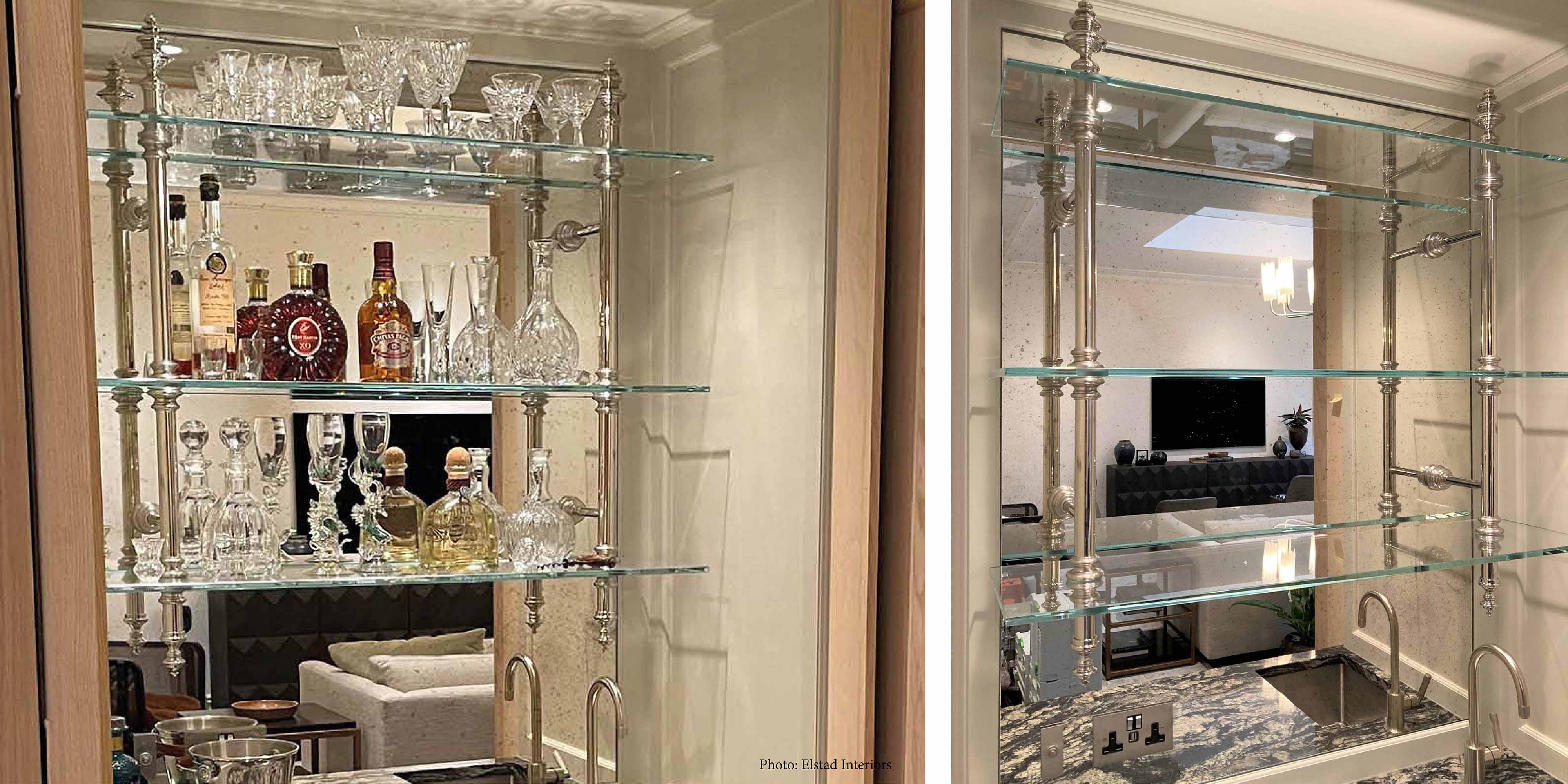
Metal is increasingly popular in modern bar designs, offering a sleek and industrial vibe. Here are some advantages:
- Durability: Metal is resistant to wear and tear, making it a long-lasting option.
- Maintenance: Metal surfaces are generally easy to clean and require minimal maintenance.
- Design Versatility: Available in various finishes (e.g., brushed, polished), metal can suit both contemporary and traditional styles.
Stainless steel, for instance, is a favorite choice for bar countertops due to its resistance to stains and scratches. A homeowner who installed a stainless steel bar found that it not only looked great but was also practical for mixing drinks and serving guests.
Glass

Glass can be an excellent choice for shelves and cabinet doors in bar wall units. Here’s why:
- Aesthetic Appeal: Glass adds a touch of elegance and can make a space feel more open and airy.
- Display Potential: Glass shelves can showcase your glassware and liquor collection beautifully.
- Variety: Options include clear, frosted, or tinted glass, allowing for creative designs.
However, it’s essential to consider the fragility of glass. A bar unit with tempered glass shelves can provide both safety and style. In a case study, a homeowner found that incorporating frosted glass doors added a modern touch while maintaining the safety of the unit.
Composite Materials

Composite materials, such as MDF (medium-density fiberboard) or plywood, are popular due to their affordability and versatility. Consider the following:
- Cost-Effective: Composite materials are generally less expensive than solid wood or metal options.
- Design Flexibility: They can be easily painted or veneered, allowing for various styles.
- Eco-Friendly Options: Many composites are made from recycled materials, appealing to environmentally-conscious consumers.
A homeowner who used MDF for their bar unit found that it allowed for intricate designs at a lower cost, making it ideal for those on a budget.
Stone and Marble
For a high-end look, stone and marble can be stunning choices for bar countertops. Here are the benefits:
- Luxury Appeal: Stone surfaces can elevate the entire look of your bar unit.
- Heat Resistance: Stone can withstand high temperatures, making it suitable for serving hot items.
- Durability: With proper maintenance, stone surfaces can last a lifetime.
However, these materials can be more expensive and may require sealing to avoid staining. A case study of a luxury home bar revealed that a marble countertop not only served as a functional space but also became the focal point of the room.
Conclusion: Making the Right Choice
Choosing the right materials for your bar wall unit is a decision that requires careful consideration of your needs, style preferences, and budget. Each material has its unique benefits and drawbacks:
- Wood: Timeless and versatile, but requires maintenance.
- Metal: Durable and modern, with minimal upkeep.
- Glass: Elegant and display-friendly, but fragile.
- Composite Materials: Cost-effective and flexible, perfect for budget-conscious designs.
- Stone and Marble: Luxurious and durable, ideal for high-end designs.
Ultimately, the right choice will depend on your personal style, the intended use of the bar unit, and your budget. By considering the factors outlined in this guide and evaluating the pros and cons of each material, you can create a bar wall unit that not only meets your functional needs but also complements your home décor beautifully.