The humble car stereo has evolved far beyond its basic function of playing radio. In today’s automotive landscape, the head unit, or car stereo, is the central hub for entertainment, navigation, communication, and even vehicle diagnostics. Selecting the right one can dramatically transform your driving experience, making commutes more enjoyable, road trips more engaging, and everyday journeys safer. However, with a dizzying array of options available, from basic single-DIN units to feature-rich double-DIN touchscreens with advanced connectivity, the process can feel overwhelming. This comprehensive guide will equip you with the knowledge and confidence to choose the perfect car stereo for your needs, budget, and vehicle.
Understanding Your Needs: The Foundation of Your Choice
Before diving into specific features and brands, it’s crucial to honestly assess what you want and need from your car stereo. Consider these key questions:
1. What is your primary use case?
- Music Enthusiast: Do you prioritize exceptional audio quality, the ability to play lossless audio files, and advanced EQ settings?
- Connectivity Savvy: Is seamless smartphone integration (Apple CarPlay, Android Auto), Bluetooth calling, and app control paramount?
- Navigation Focused: Do you rely heavily on GPS and prefer an integrated navigation system or easy smartphone mirroring for navigation apps?
- Entertainment Seeker: Are features like satellite radio (SiriusXM), video playback, or even the ability to connect gaming consoles important?
- Simplicity Seeker: Do you primarily listen to the radio and occasionally stream music via Bluetooth, valuing ease of use above all else?
2. What is your budget?
Car stereos range from under $100 for basic models to well over $1000 for premium, feature-packed units. Setting a realistic budget upfront will help narrow down your options and prevent you from overspending on unnecessary features.
3. What is your current vehicle and its existing audio system?
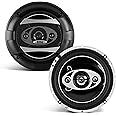
The make, model, and year of your car are critical. Some vehicles have integrated dashboards that can make aftermarket stereo installation challenging or impossible without specific kits. Understanding your car’s existing speaker setup and amplifier will also influence your choice. A powerful new head unit might be wasted if it’s paired with poor-quality speakers.
Key Features to Consider: Navigating the Technicolor World of Car Stereos

Once you’ve defined your needs, it’s time to explore the features that will best serve them. Here’s a breakdown of the most important ones:
Single-DIN vs. Double-DIN: Size Matters

This is one of the first physical considerations. Single-DIN stereos are the standard, rectangular units. Double-DIN stereos are twice the height, typically featuring larger touchscreens. If your car has a factory double-DIN opening, a double-DIN unit can offer a more integrated and modern look. If you have a single-DIN opening, you can still install a double-DIN unit with an adapter kit, but it might protrude slightly.
Display and Interface: Touchscreen vs. Buttons

Modern stereos largely revolve around touchscreens, offering intuitive control and visual appeal. However, some drivers still prefer the tactile feedback of physical buttons, especially for frequently used functions like volume and track skipping, which can be safer to operate while driving. Consider screen size, resolution, and responsiveness. Some advanced units offer customizable interfaces and widgets.
Connectivity Options: The Gateway to Your Digital World
This is where the magic happens. The ability to connect your devices seamlessly is crucial.
- Bluetooth: Essential for hands-free calling and wireless audio streaming. Look for Bluetooth 4.0 or higher for better stability and range.
- USB Ports: For playing music from USB drives, charging devices, and often for wired smartphone integration.
- Auxiliary Input: A traditional 3.5mm jack for connecting older devices.
- Apple CarPlay & Android Auto: These are game-changers. They mirror your smartphone’s interface onto the stereo’s screen, allowing you to safely access navigation, music, messaging, and calls using voice commands or the touchscreen. This is arguably the most sought-after feature for many consumers.
- Wi-Fi: Enables over-the-air software updates and sometimes allows for wireless CarPlay/Android Auto.
- SiriusXM Satellite Radio: For an unparalleled selection of commercial-free music, sports, news, and talk radio.
Audio Quality and Customization: For the Discerning Ear

If audio fidelity is a priority, pay attention to these specifications:
- Pre-amp Outputs: These are crucial for connecting external amplifiers, allowing for more powerful and cleaner sound. More pre-amp outputs (e.g., 3 sets for front, rear, and subwoofer) offer greater flexibility for custom audio setups.
- Built-in Amplifier Power (RMS): While most aftermarket head units have modest built-in amplifiers, check the RMS (Root Mean Square) wattage per channel, which indicates sustained power output. Don’t be fooled by peak power ratings.
- Equalizer (EQ): A graphic EQ allows you to fine-tune the audio frequencies to your liking or to compensate for your car’s acoustics. Look for multi-band EQs for more precise control.
- Digital Signal Processing (DSP): Advanced DSP features can include time alignment, crossover settings, and sound staging adjustments, allowing for a truly customized listening experience.
- High-Resolution Audio Support: If you’re an audiophile, some units support lossless audio formats like FLAC.
Navigation and GPS: Finding Your Way
While many rely on smartphone navigation via CarPlay or Android Auto, some prefer integrated GPS systems. These often come with pre-loaded maps and can be more robust in areas with poor cellular signal. However, they are typically more expensive and may require map updates.
Backup Camera and Parking Sensors Integration: Enhancing Safety
A significant number of modern stereos offer inputs for backup cameras, which display a view of what’s behind your vehicle when you shift into reverse. This dramatically improves safety and makes parking easier. Some can also integrate with factory or aftermarket parking sensor systems.
Other Considerations:
- Steering Wheel Control Compatibility: If you want to retain the functionality of your car’s steering wheel audio controls, ensure the stereo is compatible or that an adapter is available.
- iDatalink Maestro Integration: For many modern vehicles, iDatalink Maestro modules are essential for seamlessly integrating aftermarket stereos while retaining factory features like climate control displays, vehicle information, and even steering wheel controls.
- Security Features: Detachable faceplates or password protection can deter theft.
Popular Brands and Their Strengths: A Snapshot of the Market

The car stereo market is dominated by several reputable brands, each with its own strengths and target audience. Understanding these can help guide your decision:
- Pioneer: Known for their robust features, excellent sound quality, and user-friendly interfaces. They offer a wide range of models from entry-level to high-end, often excelling in smartphone integration.
- Alpine: Renowned for their premium audio components and exceptional sound reproduction. Alpine units often appeal to enthusiasts who prioritize audio fidelity and are willing to invest in a superior listening experience.
- Kenwood: Offers a good balance of features, performance, and value. They are a popular choice for those seeking reliable connectivity and solid audio capabilities without breaking the bank.
- JVC: Provides a diverse selection of car stereos with a focus on user-friendliness and a good range of features for everyday use.
- Sony: Known for their innovative technology and integration with their other audio products. Sony stereos often boast vibrant displays and advanced audio processing.
- Jensen: A more budget-friendly option that still offers essential features like Bluetooth and USB connectivity, suitable for those with simpler needs.
Installation: DIY vs. Professional
While the allure of saving money on installation is tempting, it’s a decision that requires careful consideration.
- DIY Installation: If you are technically inclined, have the right tools, and are comfortable working with car wiring, a DIY installation can be rewarding and cost-effective. Many online resources and YouTube tutorials can guide you through the process. However, incorrect wiring can lead to damage to your vehicle’s electrical system or the stereo itself.
- Professional Installation: For most people, professional installation is the safer and more reliable option. Car audio shops have the expertise, specialized tools, and knowledge to ensure a seamless and correct installation, including proper wiring, mounting, and integration with your vehicle’s existing systems. This also often comes with a warranty on the installation.
Case Study: The Commuter’s Dilemma
Sarah, a daily commuter in Los Angeles, found her long drives to be tedious. Her car’s factory stereo lacked Bluetooth and had a poor radio signal. She decided to upgrade. After researching, she realized she primarily needed reliable hands-free calling and the ability to stream music from her phone. She also wanted a more modern interface. She opted for a Pioneer double-DIN unit with Apple CarPlay and a USB port. The installation was done professionally, and Sarah reported a dramatic improvement in her commute. She could now safely take calls, listen to her favorite podcasts without interruption, and navigate easily with Google Maps displayed on her new stereo’s screen.
Statistics Speak: The Impact of Modern Car Stereos
While concrete statistics on car stereo upgrades are scarce, the widespread adoption of features like Apple CarPlay and Android Auto speaks volumes. According to Statista, as of 2023, over 150 million vehicles worldwide were equipped with either Apple CarPlay or Android Auto, highlighting the demand for seamless smartphone integration. This trend indicates that consumers prioritize connectivity and the enhanced user experience these systems provide.
Your Journey, Your Soundtrack
Choosing the perfect car stereo is an investment in your daily driving experience. By carefully considering your needs, understanding the available features, and researching reputable brands, you can make an informed decision that will bring you years of enhanced enjoyment and safety on the road. Whether you’re a music aficionado seeking pristine audio, a tech-savvy individual who relies on seamless connectivity, or simply someone who wants a more pleasant commute, there’s a car stereo out there that’s perfect for you. Don’t underestimate the power of a great head unit to transform your time behind the wheel into an extension of your personal space, a mobile sanctuary where your favorite tunes and essential information are always at your fingertips.