The vibrant energy, boundless curiosity, and rapid development characteristic of childhood are powered by a complex interplay of nutrients. Ensuring growing bodies receive adequate vitamins and minerals is paramount for establishing a strong foundation for lifelong health. In this pursuit, many parents turn to children’s chewable vitamins, with Flintstones Chewables often being a familiar and trusted name. But how exactly do these colorful, fruit-flavored tablets support the intricate process of growth and development? This article delves into the science behind Flintstones Chewables, exploring their key ingredients and their crucial roles in nurturing healthy, growing bodies.
The Essential Building Blocks: Understanding Childhood Nutritional Needs
Childhood is a period of remarkable transformation. From infancy through adolescence, children experience rapid skeletal growth, significant brain development, and the establishment of a robust immune system. Meeting the increased nutritional demands of these processes is vital. While a balanced diet is the cornerstone of good nutrition, it’s not always easy to ensure children consume the full spectrum of essential vitamins and minerals consistently. This is where well-formulated children’s multivitamins can play a supportive role.
Key nutrients that are particularly critical during childhood include:
- Calcium and Vitamin D: Essential for building strong bones and teeth. Vitamin D aids in calcium absorption.
- Iron: Crucial for oxygen transport in the blood and cognitive development.
- Vitamins A, C, and E: Play vital roles in immune function, vision, skin health, and antioxidant protection.
- B Vitamins (B1, B2, B6, B12, Niacin, Folic Acid, Pantothenic Acid): Involved in energy metabolism, brain function, and cell growth.
- Zinc: Supports immune function, growth, and wound healing.
Gaps in these essential nutrients can manifest in various ways, from increased susceptibility to illness to developmental delays. This underscores the importance of a proactive approach to ensuring children’s dietary intake meets their growing needs.
Flintstones Chewables: A Closer Look at the Nutritional Powerhouse
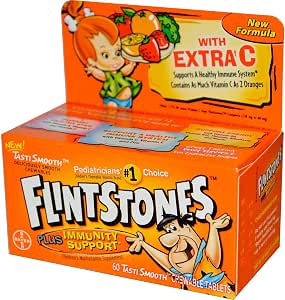
Flintstones Chewables have carved out a significant niche in the children’s vitamin market, largely due to their appeal to young palates and their comprehensive formulation. The brand offers a range of products, but the core Flintstones Chewables typically aim to provide a broad spectrum of essential vitamins and minerals. Let’s break down some of the key players and their contributions:
Vitamin D: The Sunshine Vitamin for Bone Health
Vitamin D is perhaps one of the most talked-about nutrients for growing children, and for good reason. It acts as a co-factor in the absorption of calcium and phosphorus, the primary building blocks of bones and teeth. Without adequate Vitamin D, even with sufficient calcium intake, the body cannot effectively utilize it. This can lead to rickets, a condition characterized by soft, weak bones, and increased susceptibility to fractures.
Statistics and Insights: According to the Centers for Disease Control and Prevention (CDC), while severe rickets is rare in developed countries, insufficient Vitamin D levels are still prevalent in children. Factors such as limited sun exposure (especially during winter months or for children who spend a lot of time indoors), darker skin pigmentation (which naturally produces less Vitamin D from sunlight), and exclusive breastfeeding without Vitamin D supplementation can contribute to deficiencies.
Flintstones Chewables typically contain a significant dose of Vitamin D, often aiming to meet or exceed the Recommended Dietary Allowance (RDA) for children, thereby supporting healthy bone development and contributing to a stronger skeletal structure.
Calcium: The Cornerstone of Strong Bones
Complementing Vitamin D’s role in absorption, calcium is the direct structural component of bones and teeth. During childhood and adolescence, bone mass is rapidly accumulated, laying the groundwork for bone health in adulthood. Insufficient calcium intake during these critical years can compromise peak bone mass, increasing the risk of osteoporosis later in life.
Real-World Impact: Imagine a child who loves to play sports but is prone to bone fractures. While accidents happen, a deficiency in calcium and Vitamin D could mean their bones are not as resilient as they could be, increasing the impact of even minor falls. Ensuring adequate intake supports the mineralization of bones, making them denser and less likely to break.
While dietary sources like milk, yogurt, and leafy greens are ideal, some children may not consistently consume enough calcium-rich foods. Flintstones Chewables often include calcium to help bridge this nutritional gap.
Iron: Fueling Energy and Brainpower

Iron is an essential mineral that plays a dual role in growing bodies: it’s a vital component of hemoglobin, the protein in red blood cells responsible for carrying oxygen throughout the body, and it’s crucial for cognitive development.
Case Study Example: Consider a child who experiences persistent fatigue, difficulty concentrating in school, and is often pale. These could be signs of iron-deficiency anemia. Iron deficiency can impair a child’s learning ability, attention span, and overall energy levels, impacting their academic performance and social engagement. In severe cases, it can affect physical growth.
Flintstones Chewables often incorporate iron, recognizing its critical importance for maintaining healthy blood, preventing anemia, and supporting optimal brain function. This can be particularly beneficial for children who are picky eaters or have dietary restrictions.
Vitamins A, C, and E: The Immune and Antioxidant Allies
This trio of vitamins forms a powerful frontline defense for the body.
- Vitamin A: Essential for good vision, particularly in low light, and plays a crucial role in immune function, cell growth, and differentiation.
- Vitamin C: A potent antioxidant that helps protect cells from damage caused by free radicals. It’s also vital for collagen production, which is important for skin, gums, and blood vessels, and it supports immune system function.
- Vitamin E: Another important antioxidant that helps protect cell membranes from oxidative stress. It also plays a role in immune function and skin health.
Statistical Relevance: Childhood illnesses, such as the common cold, are a regular part of a child’s life. While vitamins cannot prevent all illnesses, a robust immune system, supported by adequate intake of vitamins A, C, and E, can help the body fight off infections more effectively and recover more quickly.
By including these vitamins, Flintstones Chewables contribute to a child’s overall well-being, supporting their defenses against common ailments and promoting healthy growth and repair processes.
B Vitamins: The Energy and Brain Boosters

The B vitamin family is a diverse group of water-soluble vitamins, each with unique but interconnected roles in metabolism and neurological function. They are essential for converting food into energy, supporting a healthy nervous system, and facilitating DNA synthesis.
- B1 (Thiamine): Crucial for carbohydrate metabolism and nerve function.
- B2 (Riboflavin): Plays a role in energy production and cell growth.
- B6 (Pyridoxine): Involved in protein metabolism and the production of neurotransmitters.
- B12 (Cobalamin): Essential for red blood cell formation and neurological function.
- Niacin (B3): Aids in energy metabolism and skin health.
- Folic Acid (B9): Crucial for cell division and DNA synthesis, particularly important for rapid growth.
- Pantothenic Acid (B5): Involved in energy production and hormone synthesis.
Impact on Development: A deficiency in B vitamins, especially during formative years, can impact energy levels, cognitive function, and overall development. Ensuring adequate intake supports the body’s ability to efficiently process nutrients and build new cells, which is fundamental for growth and learning.
Flintstones Chewables typically include a comprehensive blend of B vitamins to support these critical metabolic and neurological processes.
Beyond the Core Nutrients: Other Supporting Ingredients

While the vitamins and minerals are the stars of the show, some Flintstones formulations might also include other beneficial ingredients such as zinc, which plays a vital role in immune function, wound healing, and cell growth, and iodine, important for thyroid hormone production and brain development.
Flintstones Chewables: A Practical Solution for Busy Parents
In today’s fast-paced world, ensuring children receive optimal nutrition can be a challenge. Picky eating, busy schedules, and limited access to a wide variety of nutrient-rich foods can create nutritional gaps. Flintstones Chewables offer a practical and enjoyable way for parents to supplement their child’s diet and provide peace of mind.
Parental Concerns Addressed:
- Palatability: The fruit flavors and chewable format make them appealing to children, overcoming the resistance many kids have to pills.
- Convenience: They are easy to administer and can be incorporated into a daily routine without fuss.
- Comprehensive Support: They offer a broad spectrum of essential nutrients, addressing common dietary shortfalls.
It’s important to note that while chewable vitamins are a valuable supplement, they are not a substitute for a balanced diet. The American Academy of Pediatrics (AAP) emphasizes that a varied and nutritious diet should always be the primary source of vitamins and minerals. However, for children who struggle to meet their nutritional needs through food alone, a multivitamin like Flintstones can be a beneficial addition.
Important Considerations and When to Consult a Professional
While Flintstones Chewables are generally safe and beneficial when used as directed, it’s crucial to be aware of a few points:
- Dosage: Always follow the recommended dosage on the product packaging. More is not always better, and excessive intake of certain vitamins and minerals can be harmful.
- Allergies: Check the ingredient list for any potential allergens.
- Underlying Health Conditions: If your child has any specific health conditions or dietary restrictions, consult with your pediatrician or a registered dietitian before introducing any new supplements.
- Dental Health: While these are chewable, it’s still good practice to encourage good oral hygiene, including brushing after taking vitamins, especially those containing sugar.
A conversation with your child’s pediatrician is always recommended to determine if a multivitamin is necessary and to discuss specific nutritional needs based on your child’s individual diet and health status. They can also advise on the best form and dosage.
Nurturing Health from the Inside Out

Flintstones Chewable Vitamins, with their comprehensive formulation and child-friendly appeal, play a significant role in supporting the intricate nutritional demands of growing bodies. By providing essential vitamins and minerals like Vitamin D, calcium, iron, A, C, E, and the B-complex, they contribute to robust bone development, healthy immune function, optimal cognitive growth, and efficient energy metabolism. While a balanced diet remains paramount, these chewable supplements offer a convenient and effective way for parents to ensure their children receive the foundational nutrients they need to thrive. When used as part of a healthy lifestyle and in consultation with healthcare professionals, Flintstones Chewables can be a valuable ally in nurturing well-rounded, healthy children, empowering them to reach their full potential.