Essential Tips for Getting the Perfect Measurements for Your Round Pool
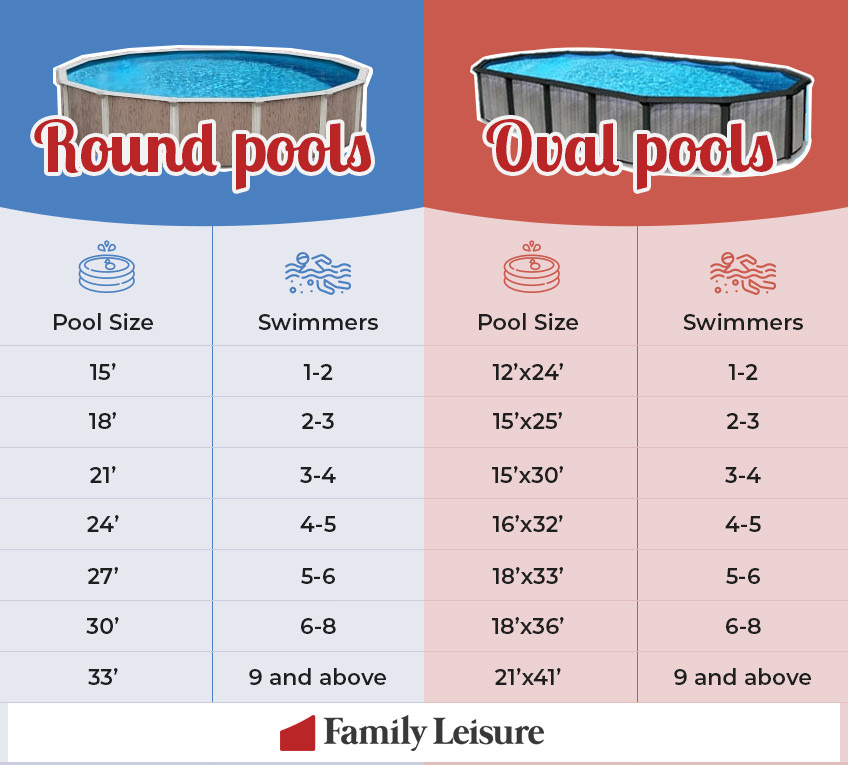
Installing a round pool in your backyard can be a transformative experience, providing a perfect venue for relaxation and recreation. However, the success of your pool installation heavily relies on accurate measurements. Proper measurements not only ensure that your pool fits perfectly within your yard but also guarantee optimal performance and safety. This article will guide you through essential tips for getting the perfect measurements for your round pool.
Understanding the Importance of Accurate Measurements
Accuracy in measurement is critical for several reasons:
- Space Optimization: Knowing the exact dimensions of your yard will help you choose a pool size that fits without overcrowding your space.
- Safety Considerations: Ensuring there is enough distance from structures, fences, and trees can prevent accidents and enhance safety.
- Cost Efficiency: Accurate measurements can minimize additional costs associated with unforeseen complications during installation.
Gathering the Right Tools
Before you begin measuring, it’s crucial to have the right tools at your disposal. Here’s what you’ll need:
- Measuring Tape: A long, durable measuring tape is essential for measuring large distances accurately.
- Stakes and String: Use these to outline the area where you want to install the pool.
- Level: A spirit level will help ensure that the ground is even, which is crucial for ensuring proper water circulation.
- Marker or Chalk: To mark the measurement points clearly on the ground.
Step-by-Step Measurement Process
Follow these steps to ensure accurate measurements for your round pool:
1. Choose the Right Location
Selecting the ideal location for your pool is the first step in the measurement process. Consider the following factors:
- Sunlight: Choose a location that receives ample sunlight for most of the day.
- Accessibility: Ensure easy access to your pool from your home and other outdoor amenities.
- Privacy: Select a spot that offers a degree of privacy from neighbors or street views.
2. Mark the Desired Area
Once you’ve chosen a location, use stakes and string to outline the area for your pool. This will give you a visual representation of how much space the pool will occupy.
3. Measure the Diameter
For round pools, measuring the diameter is key. Here’s how to do it:
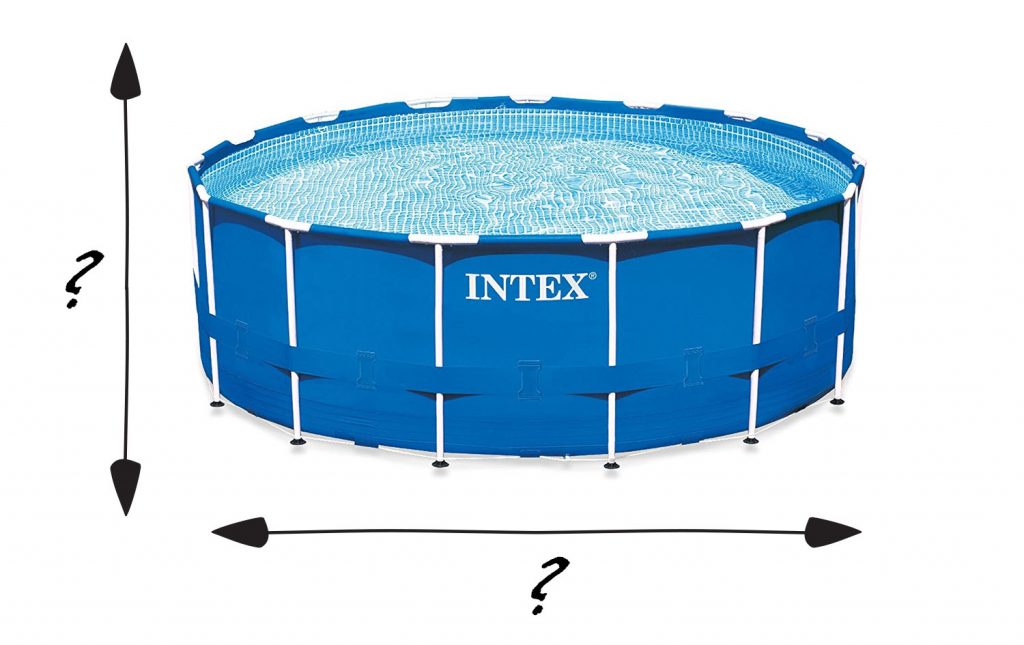
- Use the measuring tape to find the distance from one edge of the circle to the opposite edge, going directly through the center.
- Ensure the tape is taut and level; this helps in achieving an accurate measurement.
4. Check for Levelness
Use a level to check that the ground is even. If you’re planning to install an above-ground pool, ensure that the area is completely flat. For in-ground pools, slight variations can be corrected during excavation, but significant slopes will require additional work.
5. Consider Additional Space

In addition to the pool size, consider leaving extra space around the perimeter of the pool. This space will accommodate:
- Decking: If you plan to add decking or a patio around the pool, you’ll need to factor in this additional space.
- Safety Barriers: Local regulations may require fencing or other safety measures around the pool area.
- Access Paths: A clear path for maintenance and access is important for pool upkeep.
Common Mistakes to Avoid
While measuring for your round pool, it’s easy to make mistakes. Here are some common pitfalls and how to avoid them:
- Neglecting Local Regulations: Always check local zoning laws and building codes before finalizing your pool size and location.
- Inaccurate Measurements: Double-check measurements and consider measuring multiple times to ensure accuracy.
- Ignoring Environmental Factors: Consider drainage, soil type, and existing vegetation that may affect the installation.
Case Studies: Successful Round Pool Installations
To illustrate the importance of accurate measurements, let’s look at a couple of case studies:
Case Study 1: The Family Oasis

A family in a suburban neighborhood decided to install a 15-foot round above-ground pool. They initially measured the area but neglected to account for a nearby tree whose roots extended into the pool area. After realizing their mistake, they adjusted the location and ended up with a perfect fit, while also ensuring safety from falling branches.
Case Study 2: The Luxury Retreat

Another homeowner opted for a 24-foot round in-ground pool but underestimated the need for surrounding decking. They measured only the pool’s diameter and later found that they had insufficient space for a patio. This oversight led to a costly redesign, demonstrating the importance of considering additional space from the outset.
In summary, accurate measurements are crucial for the successful installation of your round pool. By understanding the importance of precise measurements, gathering the right tools, following a step-by-step process, avoiding common mistakes, and learning from real-life case studies, you can ensure that your pool fits perfectly in your backyard oasis. Remember to consider factors such as sunlight, accessibility, and local regulations to create a safe and enjoyable swimming environment. With these essential tips, you’re well on your way to achieving your dream pool.