As the world increasingly grapples with the realities of climate change and environmental degradation, the fashion and design industries are undergoing a transformative shift towards sustainability. Among the leaders in this movement is renowned designer Prabal Gurung, whose commitment to creating luxurious yet eco-friendly products includes an exquisite line of rugs. This article will explore the concept of sustainable luxury, delve into the eco-friendly materials used in Prabal Gurung rugs, and highlight the significance of this approach in modern design.
The Rise of Sustainable Luxury
Sustainable luxury refers to high-end products that prioritize environmental integrity, ethical production, and social responsibility without compromising quality or aesthetics. This concept is gaining traction as consumers increasingly seek products that align with their values. The luxury market is not just about opulence anymore; it’s about a lifestyle that respects the planet and its resources.
Statistics show that the sustainable luxury market is poised for significant growth. According to a report by Bain & Company, the global market for sustainable luxury goods is projected to reach $50 billion by 2025, driven by a growing segment of eco-conscious consumers. This shift reflects a broader trend where luxury brands are challenged to innovate while being mindful of their environmental footprint.
Prabal Gurung: A Visionary in Sustainable Design
Prabal Gurung, a Nepalese-American designer, is celebrated not only for his stunning designs but also for his dedication to sustainability. Gurung’s work often reflects his commitment to ethical practices and environmental responsibility. His rugs, in particular, stand out as a testament to his vision of merging luxury with sustainable practices.
Craftsmanship and Ethical Production
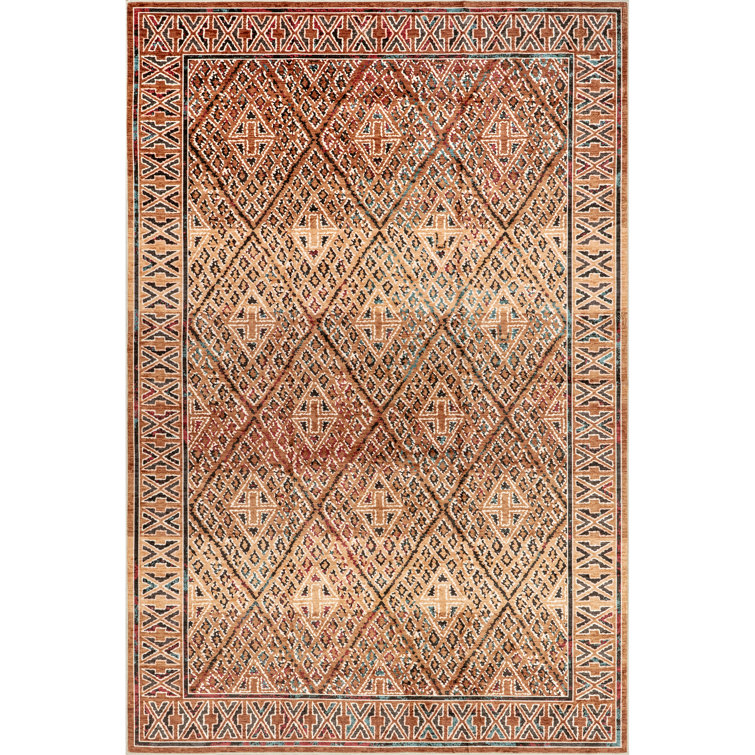
Each Prabal Gurung rug is meticulously handcrafted, showcasing traditional craftsmanship that supports local artisans. This dedication to artisanal production ensures that the quality of the rugs is unparalleled. By employing skilled artisans, Gurung not only preserves cultural heritage but also provides fair wages and safe working conditions, fostering economic empowerment within communities.
Transparency in Sourcing
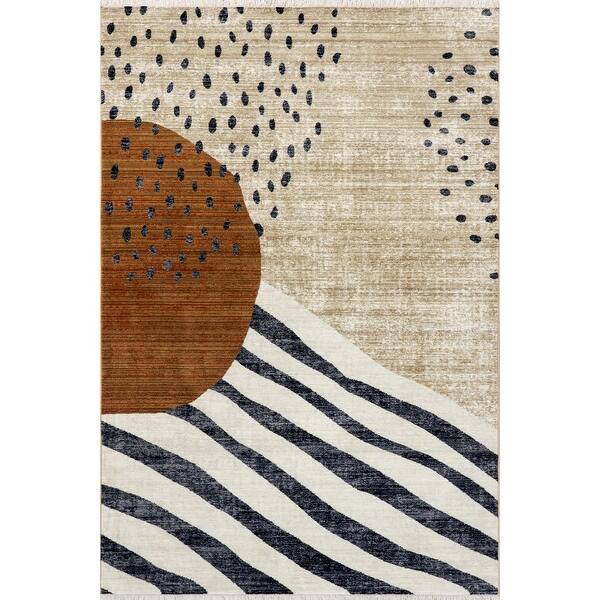
Transparency is a cornerstone of sustainable luxury. Prabal Gurung is committed to using materials that are ethically sourced and environmentally friendly. This commitment is reflected in the selection of fibers and the manufacturing processes that minimize waste and carbon footprint.
Eco-Friendly Materials in Prabal Gurung Rugs
The materials used in Prabal Gurung rugs exemplify the harmony between luxury and sustainability. The following eco-friendly materials are commonly incorporated into his designs:
- Wool: Sourced from ethically raised sheep, wool is a renewable and biodegradable material that provides durability and warmth. Gurung’s use of wool not only supports sustainable farming practices but also reduces reliance on synthetic fibers.
- Organic Cotton: Organic cotton is grown without harmful pesticides or chemicals, making it a safer choice for both the environment and the farmers. Prabal Gurung incorporates organic cotton in his rugs to ensure softness while promoting sustainable agriculture.
- Bamboo Fiber: Bamboo is one of the fastest-growing plants and requires minimal water and no fertilizers. Rugs made from bamboo fiber are not only sustainable but also have natural antibacterial properties, making them ideal for home environments.
- Recycled Materials: Gurung often utilizes recycled materials in his rug designs, reducing waste and promoting a circular economy. These materials can include repurposed textiles and leftover fibers from other production processes.
Case Studies: The Impact of Sustainable Practices
To understand the real-world impact of these sustainable practices, it’s essential to look at case studies that highlight the benefits of eco-friendly materials in luxury design.
Case Study 1: The Collaboration with Local Artisans

In one of his significant projects, Prabal Gurung partnered with local artisans in Nepal to create a limited edition rug collection. This collaboration not only provided artisans with a platform to showcase their traditional craft but also ensured that the production methods were environmentally friendly. The project resulted in:
- Empowerment of local communities through fair wages.
- Preservation of traditional weaving techniques.
- Creation of beautiful, unique rugs that celebrate cultural heritage.
Case Study 2: The Use of Organic Cotton

Gurung’s commitment to organic cotton has led to a significant reduction in harmful pesticide use and a positive impact on soil health. The transition to organic materials has also resonated with eco-conscious consumers, resulting in:
- Increased sales among consumers who prioritize sustainability.
- Strengthened brand loyalty as customers appreciate the commitment to ethical production.
- Positive media coverage that highlights the importance of sustainable practices in luxury design.
The Broader Implications of Sustainable Luxury
The movement towards sustainable luxury extends beyond the products themselves; it encompasses a holistic shift in consumer behavior and industry standards. Here are some broader implications of this trend:
- Consumer Awareness: As consumers become more informed about the environmental impact of their purchases, they are increasingly demanding transparency and ethical practices from brands.
- Industry Standards: Luxury brands are setting new benchmarks for sustainability, influencing other sectors to adopt similar practices. This shift could lead to widespread changes in manufacturing, sourcing, and supply chain management.
- Environmental Impact: By prioritizing sustainable materials, the luxury industry can significantly reduce its carbon footprint and promote conservation efforts, contributing to a healthier planet.
Prabal Gurung’s commitment to sustainable luxury, as exemplified by his eco-friendly rugs, showcases the potential for high-end design to foster positive environmental and social change. By utilizing ethically sourced materials, supporting local artisans, and promoting transparency, Gurung is paving the way for a more sustainable future in the luxury market.
The rise of sustainable luxury signifies a transformative shift in consumer values, pushing brands to innovate while prioritizing ethical production. As the demand for eco-friendly products continues to grow, it is crucial for designers like Prabal Gurung to lead by example, proving that style and sustainability can coexist harmoniously. Ultimately, the journey towards sustainable luxury is not just a trend but a necessary evolution in the way we approach design, consumption, and our responsibility to the planet.