As parents, we are constantly seeking the best for our children’s health and development. This often leads us down the aisle of the supplement aisle, a bewildering array of colorful bottles and appealing claims. Among the most recognizable names is Flintstones Chewable Vitamins, a brand that has been a staple in many households for generations. But in today’s crowded market, how does Flintstones stack up against the myriad of other children’s supplements available? This article aims to provide a well-researched and comprehensive comparison, empowering parents to make informed decisions about their child’s nutritional support.
The Enduring Appeal of Flintstones Chewable Vitamins

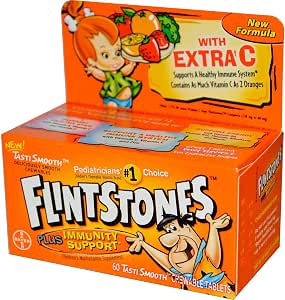
Flintstones vitamins, with their iconic cartoon characters and fruity flavors, have captured the attention of children and parents alike for decades. Their primary appeal lies in their palatability and brand recognition, making the daily vitamin routine a less of a battle. Let’s delve into what makes them so popular and their nutritional offering.
Formulation and Nutritional Profile
Flintstones vitamins typically offer a broad spectrum of essential vitamins and minerals. The “Complete” version, for instance, usually includes:
- Vitamin A
- Vitamin C
- Vitamin D
- Vitamin E
- B Vitamins (B1, B2, B6, B12)
- Folic Acid
- Biotin
- Zinc
- Iron (in some formulations)
These are crucial nutrients for a child’s growth, immune function, energy production, and bone health. The chewable format makes them accessible for children who struggle with swallowing pills. However, it’s important to note that the specific amounts of each nutrient can vary between different Flintstones products (e.g., Complete, Plus Iron, Gummies).
Pros of Flintstones Vitamins:

- High Palatability: The delicious taste and fun shapes make them appealing to children, increasing compliance.
- Brand Recognition and Trust: Years of presence in the market have built a sense of familiarity and trust among parents.
- Broad Spectrum Coverage: They generally provide a good foundation of essential vitamins and minerals.
- Availability: Widely available in most pharmacies and grocery stores.
Cons of Flintstones Vitamins:
- Sugar Content: Some formulations can contain a significant amount of added sugars, which is a concern for dental health and overall well-being.
- Potential for Over-fortification: While generally safe, some parents worry about exceeding recommended daily allowances of certain nutrients, especially if their child has a well-balanced diet.
- Limited Specialized Nutrients: They may not cater to specific needs like omega-3 fatty acids, probiotics, or higher doses of certain vitamins for children with particular dietary restrictions or deficiencies.
Navigating the Diverse Landscape of Children’s Supplements
Beyond the familiar yellow dinosaur, the children’s supplement market offers a vast array of options, each with its unique focus and formulation. Understanding these alternatives is key to making a truly informed choice.
Category 1: Gummy Vitamins – The Sweet Alternatives

Gummy vitamins have surged in popularity, mirroring the appeal of Flintstones gummies. They offer a similar convenience and taste but often come with their own set of considerations.
Formulation and Nutritional Profile:
Similar to chewables, gummy vitamins encompass a range of formulations. Many offer a multivitamin blend, while others specialize in specific nutrients like Vitamin D, Vitamin C, or Omega-3s.
Pros of Gummy Vitamins:
- Ease of Consumption: Extremely easy for children to take, resembling candy.
- Variety of Flavors and Shapes: Highly appealing to children’s senses.
- Targeted Formulations: Many brands offer gummies focused on specific nutritional needs.
Cons of Gummy Vitamins:
- High Sugar Content: This is a significant concern. Gummies often rely on sugar or sugar substitutes for taste and texture, leading to potential dental issues and excessive calorie intake.
- Nutrient Potency Issues: Some studies have indicated that gummy vitamins may have less stable nutrient potency over time compared to traditional tablets or chewables due to the manufacturing process and ingredients.
- Risk of Overconsumption: Their candy-like nature increases the risk of children consuming more than the recommended dose, potentially leading to vitamin toxicity.
Category 2: Specialized Children’s Supplements – Addressing Specific Needs
These supplements are designed to target particular areas of a child’s health, going beyond a general multivitamin. Examples include:
Omega-3 Fatty Acids:
Often found in fish oil or algae-based supplements, Omega-3s are crucial for brain development, cognitive function, and eye health. Some studies suggest a link between adequate Omega-3 intake and improved focus and behavior in children.
Example: Nordic Naturals Children’s DHA is a popular choice, offering a concentrated source of EPA and DHA in a lemon-flavored liquid or gummy form.
Probiotics:
These beneficial bacteria support gut health, which is increasingly recognized as vital for overall immunity and nutrient absorption. Probiotics can be particularly helpful for children experiencing digestive issues or after antibiotic use.
Example: Culturelle Kids Chewables and Garden of Life Kids Probiotics are examples of products designed to support a healthy digestive system.
Vitamin D Supplements:
Especially important for children with limited sun exposure or darker skin tones, Vitamin D is essential for calcium absorption and bone health. Many pediatricians recommend Vitamin D supplementation for infants and young children.
Example: Drops like Ddrops Booster and Vitamin D3 sprays offer convenient ways to deliver this critical nutrient.
Iron Supplements:
For children with iron deficiency anemia, often diagnosed through blood tests, iron supplements are essential. These are typically prescribed by a pediatrician and come in various forms, including liquids and chewables. It’s crucial to administer these under medical supervision due to the risk of iron overload.
Category 3: Allergen-Free and Organic Options – Catering to Specific Dietary Needs
For children with allergies, sensitivities, or parents prioritizing organic ingredients, a growing number of brands offer specialized supplements.
Formulation and Nutritional Profile:
These supplements aim to provide essential nutrients while avoiding common allergens such as gluten, dairy, soy, and artificial colors/flavors. Organic options are derived from certified organic sources.
Pros of Allergen-Free/Organic Supplements:
- Reduced Risk of Adverse Reactions: Essential for children with specific sensitivities.
- Peace of Mind for Parents: Aligns with dietary preferences and health goals.
- Often High-Quality Ingredients: Emphasis on natural and clean sourcing.
Cons of Allergen-Free/Organic Supplements:
- Higher Cost: Organic and specialized ingredients often come with a premium price tag.
- Limited Availability: May be harder to find in general retail stores compared to mainstream brands.
- Potential for Less Palatability: Without artificial flavors and sweeteners, some may be less appealing to picky eaters.
Making the Right Choice: Factors to Consider
Choosing the right supplement for your child is not a one-size-fits-all decision. It requires careful consideration of several factors:
1. Consult Your Pediatrician First and Foremost
This is the most critical step. Your pediatrician can:
- Assess your child’s individual dietary intake through a thorough nutritional assessment.
- Identify any potential deficiencies through blood tests if deemed necessary.
- Recommend specific nutrients or a general multivitamin based on your child’s age, health status, and dietary habits.
- Advise on appropriate dosages to prevent over-supplementation, which can be harmful.
Case Study: A child struggling with fatigue might have their iron levels checked by a pediatrician. If a deficiency is confirmed, the doctor will recommend an iron supplement specifically dosed for their age and condition, rather than a general multivitamin that might not contain sufficient iron.
2. Evaluate the Nutritional Needs and Dietary Habits

Is your child a picky eater? Do they follow a vegetarian or vegan diet? Do they have any known allergies or intolerpositions?
- Picky Eaters: May benefit from a broader multivitamin to fill nutritional gaps, but the palatability of the supplement is crucial for compliance.
- Vegetarian/Vegan Diets: May require specific supplementation for nutrients like Vitamin B12, iron, zinc, and Omega-3s, which are less readily available or absorbed from plant-based sources.
- Allergies/Sensitivities: necessitate allergen-free formulations.
3. Scrutinize the Ingredient List and Sugar Content

This is where comparing brands becomes essential. Look beyond the marketing and examine the:
- Active Ingredients: Ensure the supplement contains the vitamins and minerals you are looking for in adequate amounts, as recommended by your pediatrician.
- Inactive Ingredients: Pay close attention to added sugars, artificial colors, flavors, and preservatives. Opt for products with minimal or no added sugars, especially for gummy vitamins.
- Potency and Bioavailability: While harder for parents to ascertain without scientific knowledge, some brands are known for using more bioavailable forms of nutrients.
Statistic: A study published in the Journal of the American Dental Association found that many children’s gummy vitamins contained significant amounts of added sugars, contributing to increased risk of dental caries.
4. Consider the Form and Ease of Administration
The best supplement is the one your child will actually take. Factors include:
- Chewable Tablets: Good for children who can tolerate chewing but may have lingering aftertastes or chalky textures.
- Gummies: Highly appealing but come with the sugar caveat.
- Liquids: Ideal for infants and toddlers, but flavor can be an issue.
- Powders: Can be mixed into drinks or food, offering flexibility.
5. Research Brand Reputation and Third-Party Testing
Look for brands that are transparent about their manufacturing processes and sourcing. Certifications like USP (United States Pharmacopeia) or NSF (National Sanitation Foundation) indicate that the product has been tested for purity, potency, and harmful substances.
Flintstones vs. The Competition: A Summary Table
To provide a clearer visual comparison, here’s a simplified table:
| Feature | Flintstones Chewables/Gummies | Other Multivitamins (Generic/Specialty) | Specialized Supplements (Omega-3, Probiotics, etc.) |
| :—————- | :——————————————————— | :——————————————————- | :————————————————- |
| **Primary Focus** | General vitamin and mineral support | General support, sometimes with higher doses or specific ratios | Targeted nutritional needs |
| **Palatability** | High (cartoon characters, fruity flavors) | Varies greatly, can be good or poor | Varies greatly, often focused on effectiveness |
| **Sugar Content** | Can be moderate to high (especially gummies) | Varies, some are sugar-free | Varies, often lower sugar, some may have sweeteners |
| **Nutrient Range**| Broad spectrum | Broad spectrum, sometimes with added ingredients | Specific nutrients |
| **Allergen-Free** | Generally not the primary focus, check labels | Available from some brands | Often available from specialized brands |
| **Cost** | Mid-range | Varies from budget to premium | Varies, can be premium for specialized ingredients |
| **Best For** | Children who need a basic vitamin boost and are picky eaters; parents seeking brand familiarity. | Children with specific dietary needs not met by general multivitamins, or parents seeking sugar-free options. | Children with diagnosed deficiencies, specific health goals (e.g., gut health, brain development), or dietary restrictions. |
Flintstones Chewable Vitamins have earned their place in the supplement market through decades of brand building and appealing to children’s preferences. They offer a convenient and generally effective way to ensure children receive a foundational level of essential vitamins and minerals. However, the landscape of children’s supplements has evolved significantly, presenting parents with a wealth of alternatives that cater to a wider range of needs and concerns.
The primary takeaway from this comparison is that no single supplement is universally “best.” The ideal choice for your child hinges on a personalized assessment of their individual health, dietary habits, and any specific concerns. Consulting with a pediatrician remains the most crucial step in this process. They can guide you in identifying genuine nutritional needs and recommend supplements that are safe, effective, and appropriately dosed. While Flintstones can be a good starting point for many, parents should not hesitate to explore other options, especially those focusing on reduced sugar content, specialized nutrients, or allergen-free formulations, when recommended by a healthcare professional.
Ultimately, by understanding the diverse offerings available and prioritizing professional guidance, parents can confidently navigate the supplement aisle and make informed decisions that truly support their child’s optimal health and development.