The shotgun, a venerable firearm renowned for its versatility, has seen a significant evolution in its accessories. Among the most impactful advancements is the integration of red dot sights. Once primarily associated with tactical rifles and handguns, red dot scopes have become an indispensable tool for many shotgun users, enhancing accuracy, speed, and overall shooting experience, especially in challenging conditions or for specific applications like hunting, home defense, or sporting clays.
However, with a burgeoning market offering a dizzying array of options, selecting the “best” red dot scope for your shotgun can feel like navigating a labyrinth. This guide aims to demystify the process, providing you with the knowledge and criteria to make an informed decision that aligns with your specific needs and shooting style. We’ll delve into the crucial factors to consider, explore different types of red dot sights, and offer practical advice backed by insights from experts and real-world applications.
Why Consider a Red Dot Scope for Your Shotgun?
Before we dive into the selection process, let’s establish the compelling reasons why a red dot sight can be a game-changer for shotgun owners:
- Enhanced Target Acquisition: The most significant advantage is the ability to acquire targets faster. With a red dot, both eyes remain open, fostering natural pointing and allowing you to superimpose the illuminated dot onto your target without the tunnel vision often associated with traditional iron sights. This is particularly beneficial for fast-moving targets like game birds or in dynamic shooting scenarios.
- Improved Accuracy: While a shotgun’s spread can be forgiving at closer ranges, a red dot helps focus your aim on a precise point, leading to more consistent and accurate shot placement. This is crucial for clean hunts or for maximizing effectiveness in defensive situations.
- Low-Light Performance: Many red dot sights feature adjustable reticle brightness, allowing for effective aiming in dawn, dusk, or other low-light conditions where traditional sights can become obscured.
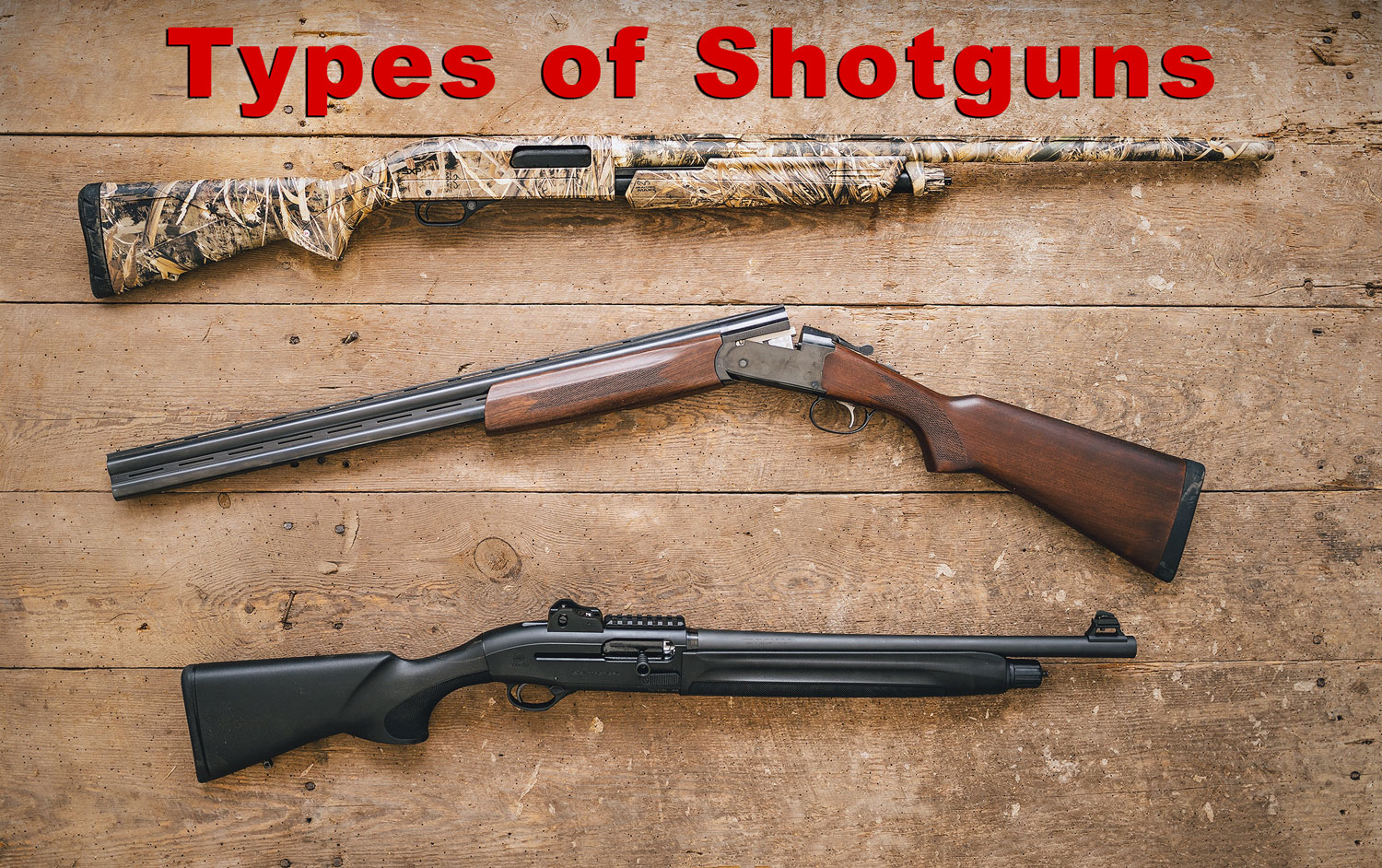
- Versatility: Red dots can be mounted on a wide range of shotguns, from pump-action hunting models to semi-automatic tactical platforms and even over-under shotguns used for sporting clays.
- Reduced Fatigue: The ease of aiming with a red dot can lead to less physical and mental fatigue, especially during extended shooting sessions or hunts.
Key Factors to Consider When Choosing a Red Dot Scope

The “best” red dot scope is subjective and depends heavily on how and where you intend to use your shotgun. Here are the critical factors to evaluate:
1. Application and Use Case
This is paramount. Your intended use will dictate many of your subsequent choices.
- Hunting: For bird hunting (ducks, pheasants), fast target acquisition is key. For larger game, precise shot placement is vital. Consider factors like weight, battery life, and ruggedness for field use.
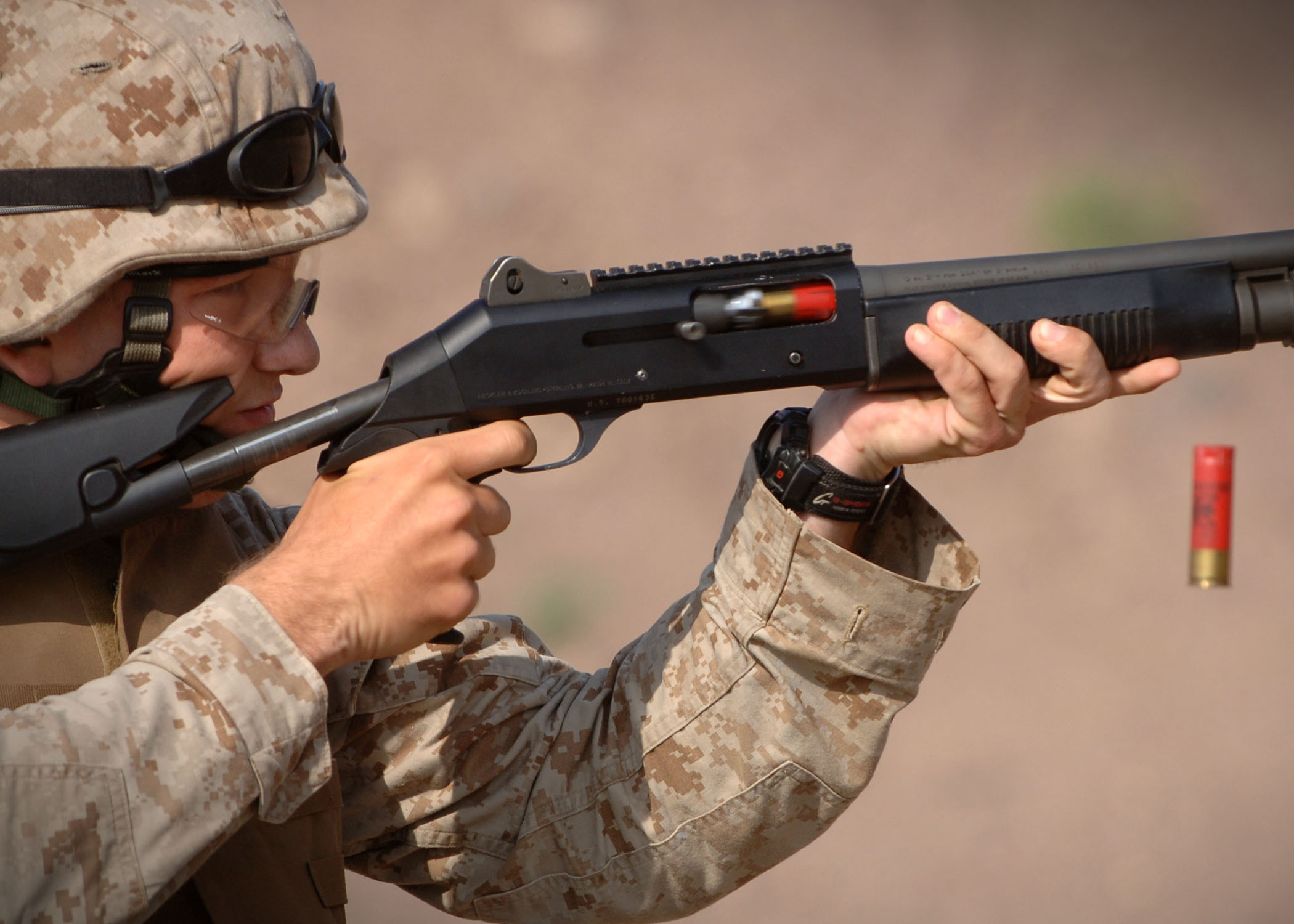
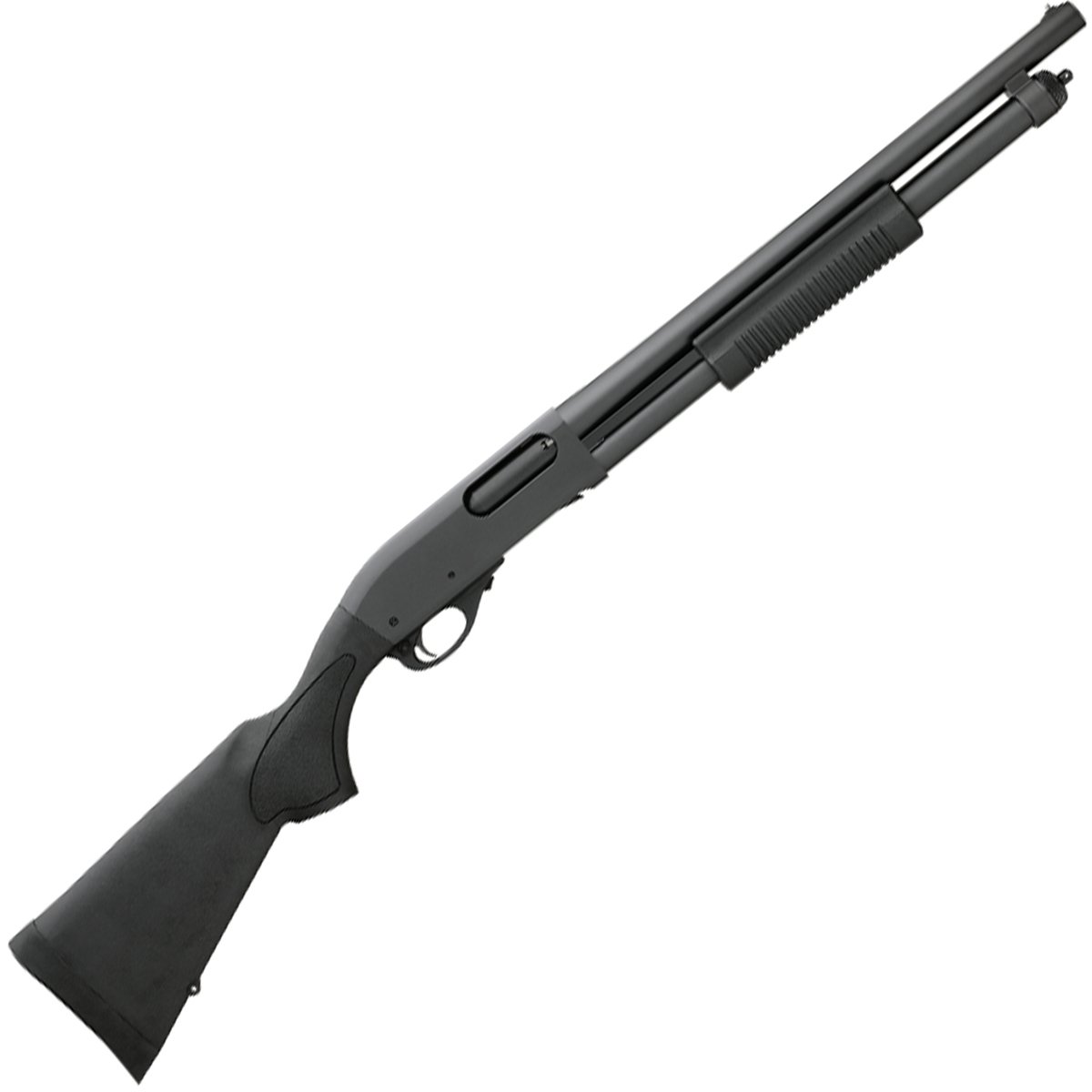
- Home Defense: Speed, ease of use under stress, and a robust build are paramount. A compact and lightweight optic is often preferred.
- Sporting Clays/Skeet/Trap: Similar to bird hunting, rapid target acquisition is essential. Some shooters prefer a slightly larger objective lens for a wider field of view.
- Tactical/3-Gun: Durability, multiple reticle options (if available), and compatibility with other accessories are important.
2. Reticle Type and Size
The illuminated dot is the heart of the sight, and its characteristics matter.
- Dot Size: This is typically measured in minutes of angle (MOA). Common sizes are 2 MOA, 4 MOA, and 6 MOA.
- 2 MOA: Offers a precise aiming point, ideal for longer ranges or when accuracy is paramount.
- 4 MOA: A good all-around size, offering a balance between speed and precision.
- 6 MOA: Provides a larger, more visible dot, excellent for fast acquisition at closer ranges.
- Reticle Color: Red is standard, but some sights offer green. Green can be more visible in certain lighting conditions, especially for users with red-green color blindness.
- Multi-Reticle Systems: Some advanced sights offer the ability to switch between different reticle patterns (e.g., a dot only, a circle with a dot). This can offer versatility but adds complexity and cost.
3. Durability and Construction
Shotguns can experience significant recoil, and your red dot needs to withstand it. Look for:
- Material: Anodized aluminum is common and provides a good balance of strength and weight.
- Waterproofing and Fog proofing: Essential for use in varied weather conditions. Look for IPX ratings.
- Shock Resistance: Ensure the optic is rated for the recoil of your specific shotgun. Many manufacturers will specify this.
4. Size and Weight
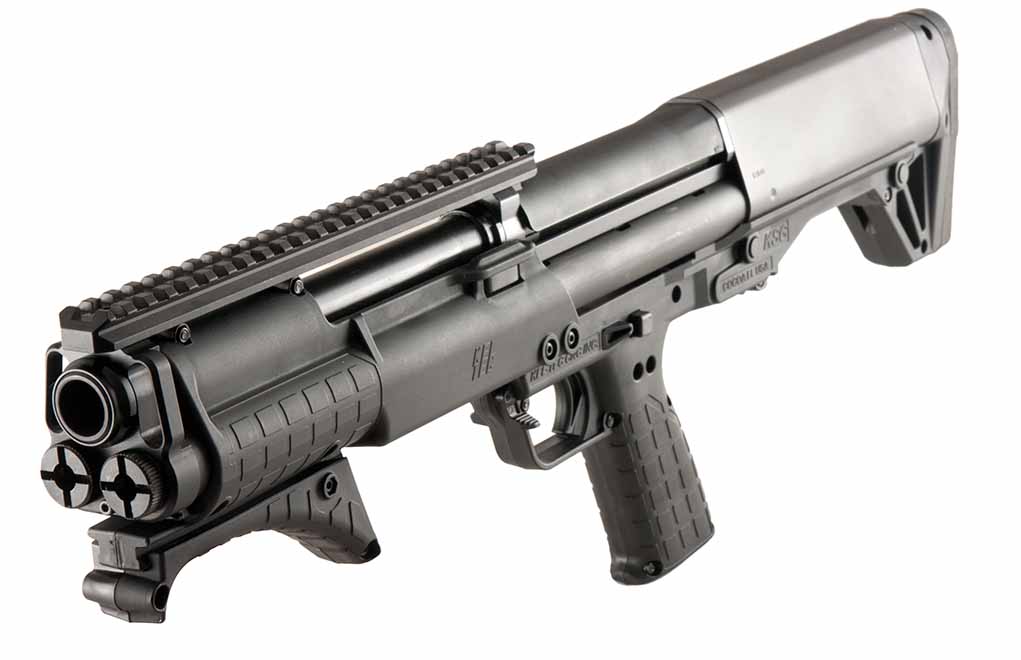
For hunting or situations where you’ll be carrying your shotgun for extended periods, a lightweight and compact red dot is preferable. Larger, more feature-rich optics can add significant weight.
5. Battery Life and Power Source
A red dot is useless without power. Consider:
- Battery Type: Common types include CR2032, CR1632, and AAA. Availability and cost of replacements are factors.
- Battery Life: Manufacturers often quote battery life in hours. Look for options with long battery life (thousands of hours) or motion-activated technology that turns the dot on when the firearm is handled.
- Solar Power: Some advanced optics incorporate solar panels as a supplementary power source, extending battery life or even allowing operation solely on solar power in bright conditions.
6. Mount Type and Height
The mounting system is critical for proper alignment and recoil resistance.
- Picatinny/Weaver Mount: The most common mounting standard. Ensure your shotgun has a compatible rail or that an adapter can be fitted.
- Shotgun-Specific Mounts: Some manufacturers offer mounts designed to clamp directly onto shotgun barrel ribs or receiver grooves.
- Mount Height: The height of the mount affects your cheek weld and how naturally you can acquire the sight picture. You want the red dot to be at a comfortable height, allowing you to keep your head up and maintain a natural shooting posture. For shotguns, this often means a slightly higher mount than you might use on a rifle.
7. Field of View and Eye Relief
While eye relief isn’t as critical for red dots as for magnified scopes, it’s still a consideration.
- Field of View: A wider field of view, often associated with larger objective lenses, allows you to see more of your surroundings, aiding in target acquisition.
- Eye Relief: Red dots generally have unlimited eye relief, meaning you can position your eye at almost any distance behind the sight and still see the dot clearly.
8. Price and Brand Reputation
Red dot sights range from budget-friendly options to premium, high-end models. While price often correlates with quality, features, and durability, it’s important to balance your budget with your needs.
- Reputable Brands: Consider established brands known for producing reliable optics, such as Aimpoint, Trijicon, Vortex Optics, Holosun, Sig Sauer, and Leupold.
- Reviews and Testimonials: Research user reviews and professional reviews to gauge the real-world performance and reliability of specific models.
Popular Red Dot Scope Types for Shotguns
While the core technology is similar, red dot sights can be broadly categorized:
1. Reflex Sights

These are the most common type. They use a lens with a special coating that reflects a light-emitting diode (LED) to create the reticle. The light source is housed within the sight, and the reticle is projected onto a lens that the shooter looks through. They are typically open-emitter (a single lens) or closed-emitter (two lenses with a sealed emitter), with closed-emitter designs offering better protection from elements.
2. Prism Scopes
While less common for shotguns than reflex sights, prism scopes use a prism to project the reticle. They often have illuminated etched reticles, meaning the reticle is visible even if the illumination fails. Some prism scopes offer magnification, which can be useful for longer-range shotgun applications or for shooters who struggle with target focus.
Case Studies and Real-World Applications
Let’s look at how red dot scopes are impacting different shotgun disciplines:
- The Upland Hunter: Sarah, an avid pheasant hunter in the Midwest, found her traditional iron sights slow to acquire fast-flying birds flushing from cover. After mounting a lightweight, 4 MOA red dot sight on her semi-automatic shotgun, she reported a noticeable improvement in her hit percentage. “The red dot allows me to keep both eyes on the bird, and the instinctive pointing it enables has made a huge difference,” she said. She chose a model with excellent battery life, as she often hunts in remote areas.
- The Home Defender: Mark, a homeowner in a suburban environment, opted for a compact, rugged red dot with a 6 MOA dot for his home defense shotgun. He values the speed and ease of use in low-light conditions. “In a stressful situation, fumbling with iron sights is the last thing I want to do. The red dot gives me confidence that I can quickly and accurately engage a threat,” Mark stated. He also appreciated the motion-activated illumination feature, ensuring the sight was ready when needed.
- The Sporting Clays Enthusiast: David, a competitive sporting clays shooter, found that a red dot sight helped him focus on the clay targets, especially during challenging presentations. He opted for a slightly larger objective lens for a wider field of view, allowing him to track the targets more easily. “It’s like having a built-in aiming assistant,” David commented. “It takes some getting used to, but once you do, it’s hard to go back.”
Tips for Mounting and Zeroing Your Red Dot Scope
Once you’ve chosen your red dot, proper mounting and zeroing are crucial for optimal performance.
- Follow Manufacturer Instructions: Always refer to the specific mounting and zeroing instructions provided by the optic and mount manufacturers.
- Secure Mounting: Ensure the mount is firmly attached to the shotgun’s rail or receiver. Overtightening can damage the optic or firearm, while undertightening can lead to shift during recoil.
- Initial Zero at Close Range: Start by zeroing your red dot at a relatively close distance (e.g., 20-25 yards) to get on paper.
- Adjust for Your Intended Range: For hunting or defensive scenarios, you’ll want to zero at the distance you anticipate engaging targets most often. For shotguns, understanding the effective range of your chosen ammunition is key. For slug-firing shotguns, zeroing at 50-100 yards is common. For birdshot, the concept of “zeroing” is less about precise distance and more about ensuring the dot is centered on your point of aim for typical engagement distances.
- Live Fire and Adjustments: Fire a few shots and adjust your zero accordingly. It’s often helpful to have another person assist with spotting and tracking adjustments.
Finding Your Perfect Aiming Companion
Choosing the best red dot scope for your shotgun is a decision that requires careful consideration of your intended application, personal preferences, and budget. By understanding the key factors discussed – from application and reticle type to durability and mounting – you can confidently navigate the market and select an optic that will genuinely enhance your shotgunning experience. Whether you’re a hunter seeking faster target acquisition, a defender prioritizing rapid response, or a sport shooter aiming for greater precision, the right red dot sight can be an invaluable tool, transforming your familiar shotgun into an even more capable and effective firearm.