The quest for sustainable and effective gardening solutions has led many to look beyond conventional synthetic fertilizers. In recent years, a powerful, natural amendment has emerged from the depths of the ocean, promising a bounty of benefits for both soil health and plant vitality: seaweed kelp fertilizer. This article delves into the remarkable nutritional advantages of this oceanic marvel, exploring its unique composition, its multifaceted impact on plant growth, and why it’s becoming an indispensable tool for eco-conscious gardeners.
The Ocean’s Bounty: What is Seaweed Kelp Fertilizer?
Seaweed kelp fertilizer is derived from various species of kelp, a type of brown seaweed that thrives in nutrient-rich ocean waters. These marine algae are packed with a complex array of organic compounds, minerals, and trace elements that are essential for plant life. Unlike terrestrial plants, kelp absorbs nutrients directly from the seawater, accumulating a potent blend that is often unavailable in most soils. The harvesting and processing of kelp for fertilizer typically involve sustainable methods, ensuring minimal environmental impact.
A Rich Tapestry of Nutrients

The nutritional profile of seaweed kelp fertilizer is what truly sets it apart. It’s not just a source of macronutrients like nitrogen, phosphorus, and potassium, although it does contain them in readily available forms. Its true strength lies in its abundance of micronutrients and beneficial organic compounds:
- Macronutrients: While typically lower in NPK compared to synthetic fertilizers, kelp provides them in a slow-release, organic form, reducing the risk of nutrient leaching and burning.
- Micronutrients: This is where kelp truly shines. It’s a veritable treasure trove of essential micronutrients, including iron, zinc, manganese, copper, boron, and molybdenum. These elements, though needed in small quantities, are crucial for countless plant metabolic processes, from photosynthesis to enzyme activation.
- Vitamins: Kelp contains a range of vitamins, such as B vitamins and vitamin C, which contribute to plant stress tolerance and overall health.
- Amino Acids: These building blocks of proteins play a vital role in plant growth, development, and the synthesis of hormones.
- Hormones: Perhaps the most remarkable component of kelp are plant growth regulators like auxins, cytokinins, and gibberellins. These naturally occurring hormones stimulate cell division, root development, flowering, and fruit set.
- Chelating Agents: Kelp is rich in alginates and other compounds that chelate (bind to) essential minerals. This process makes these minerals more available for plant uptake, even in soils where they might otherwise be locked up.
Beyond Nutrition: The Multifaceted Benefits for Plant Growth

The advantages of seaweed kelp fertilizer extend far beyond simply feeding the plants. Its organic nature and unique composition foster a healthier soil ecosystem and enhance plant resilience in numerous ways.
Stimulating Root Development
One of the most consistently observed benefits of kelp fertilizer is its profound impact on root systems. The auxins and cytokinins present in kelp are potent root stimulants. Studies have shown that applications of kelp extract can significantly increase root mass, length, and branching. A robust root system is the foundation of a healthy plant, enabling it to absorb water and nutrients more efficiently and providing better anchorage against wind and soil erosion.
Case Study: In trials conducted by agricultural research institutions, tomato plants treated with kelp fertilizer exhibited an average of 20% increase in root biomass compared to control groups receiving only conventional fertilizers. This translated to higher yields and improved drought tolerance.
Enhancing Nutrient Uptake and Availability
As mentioned, the chelating properties of seaweed are a game-changer for nutrient absorption. By binding to essential minerals like iron and zinc, kelp ensures they remain in a soluble form that plants can readily access. This is particularly beneficial in alkaline soils, where many micronutrients tend to precipitate and become unavailable.
Furthermore, the organic matter in kelp improves soil structure, leading to better aeration and water infiltration. This creates a more favorable environment for beneficial soil microbes, which further aid in nutrient cycling and availability.
Boosting Plant Stress Tolerance

In an era of changing climate and unpredictable weather patterns, plant resilience is paramount. Seaweed kelp fertilizer equips plants with a powerful arsenal to combat various stressors.
- Drought Tolerance: Improved root systems allow plants to access deeper water reserves, making them more resistant to dry spells.
- Salinity Tolerance: Some compounds in kelp have been shown to help plants cope with high salt concentrations in the soil, a growing concern in coastal regions and areas with intensive irrigation.
- Disease and Pest Resistance: While not a direct pesticide, kelp can bolster plant defenses. The increased vigor and healthy cell walls created by kelp can make plants less susceptible to pathogens and less attractive to certain pests. Some research suggests the presence of compounds that may actively deter some pests.
- Frost Tolerance: The enhanced overall health and potentially higher sugar content in plants treated with kelp can improve their resistance to cold temperatures.
Statistics: Independent studies have reported that crops treated with seaweed extracts showed a 15-30% increase in tolerance to drought conditions, a significant advantage for farmers facing water scarcity.
Promoting Flowering and Fruit Set

The plant hormones, particularly cytokinins and gibberellins, in kelp play a crucial role in reproductive development. These hormones encourage the formation of flower buds and the successful transition from flowering to fruit development. This can lead to more abundant blooms and a higher yield of fruits, vegetables, and seeds.
Example: Gardeners often report a noticeable improvement in the fruiting of their berry bushes, fruit trees, and vegetable plants after incorporating kelp fertilizer into their feeding regimen. The fruits are often described as being larger and more flavorful.
Improving Soil Health and Structure

Seaweed kelp fertilizer is more than just a nutrient source; it’s a soil conditioner. The alginates present in kelp act as natural soil binders, improving soil aggregation. This means that soil particles clump together, creating a crumbly texture that enhances aeration, drainage, and water retention.
A healthy soil structure also supports a thriving population of beneficial microorganisms. These microbes are essential for decomposing organic matter, releasing nutrients, and suppressing soil-borne diseases. By feeding the soil as well as the plants, kelp contributes to a more sustainable and resilient gardening ecosystem.
Types of Seaweed Kelp Fertilizer and Application
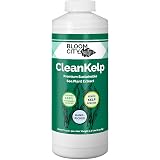
Seaweed kelp fertilizer is available in several forms, each with its own advantages:
- Liquid Extracts: These are concentrated forms that can be diluted in water and applied as a foliar spray or soil drench. They offer rapid nutrient uptake and are ideal for a quick boost.
- Granular/Powdered Forms: These are dried and processed kelp that can be mixed directly into the soil or compost. They provide a slower, more sustained release of nutrients and organic matter.
- Compost Enhancers: Some kelp products are designed to be added to compost piles, accelerating the decomposition process and enriching the final compost.
The application rate will vary depending on the product and the specific needs of the plants and soil. It’s always best to follow the manufacturer’s instructions. Generally, kelp fertilizer is applied during the growing season, with particular emphasis on periods of active growth, flowering, and fruiting.
Sustainable Sourcing and Environmental Considerations
The increasing popularity of seaweed kelp fertilizer also brings important considerations about sustainable sourcing. Responsible harvesting practices are crucial to ensure the long-term health of kelp forests, which are vital marine ecosystems.
Look for products from companies that:
- Adhere to strict harvesting quotas and regulations.
- Utilize sustainable harvesting methods that minimize damage to the kelp bed.
- Support research into kelp cultivation and ecosystem restoration.
By choosing sustainably sourced kelp products, gardeners can contribute to both healthy plants and healthy oceans.
The Future of Fertilization Lies in the Sea
The evidence is compelling: seaweed kelp fertilizer offers a holistic approach to plant nutrition and soil health. Its rich and diverse nutrient profile, coupled with its ability to stimulate root growth, enhance stress tolerance, and improve soil structure, makes it an invaluable asset for any gardener seeking to cultivate vibrant, healthy, and productive plants. From providing essential micronutrients to fostering a thriving soil microbiome, kelp embodies a sustainable and effective solution that bridges the gap between the ocean’s immense power and the gardener’s desire for a flourishing oasis. Embracing seaweed kelp fertilizer is not just about feeding your plants; it’s about nurturing a healthier planet, one garden at a time.