In an era where environmental concerns are at the forefront of consumer choices, the importance of sustainable products cannot be overstated. One area that often goes overlooked in this conversation is timekeeping. While many opt for mass-produced, battery-operated clocks, handmade wood clocks are gaining traction as a beautiful and sustainable alternative. This article explores the benefits of choosing handmade wood clocks, from their aesthetic appeal to their environmental impact.
The Aesthetic and Emotional Value of Handmade Wood Clocks

Handmade wood clocks are more than just functional timepieces; they are works of art that add character and warmth to any space. Each clock is unique, reflecting the craftsmanship and personality of the artisan who created it. Here are some reasons why the aesthetic and emotional value of these clocks is significant:
- Unique Designs: Unlike mass-produced items, no two handmade wood clocks are exactly alike. Variations in wood grain and the artist’s design choices ensure each clock is a one-of-a-kind piece.
- Craftsmanship: The attention to detail in handmade clocks is unparalleled. Artisans often employ traditional techniques that have been passed down through generations, lending each piece a story and a sense of history.
- Natural Beauty: Wood is a natural material that brings warmth and earthiness to home decor, making it a more inviting choice than cold metal or plastic.
Environmental Impact: A Sustainable Choice

Choosing handmade wood clocks is not just about aesthetics; it’s also a step towards promoting sustainability. The environmental benefits are numerous:
- Renewable Resources: Wood is a renewable resource when sourced responsibly. Many artisans use sustainably harvested wood, ensuring that their materials are environmentally friendly.
- Reduced Carbon Footprint: Handmade clocks typically have a smaller carbon footprint compared to mass-produced items, which often require extensive transportation and industrial production processes.
- Longevity: Handmade wooden clocks are built to last. Unlike cheap, disposable items, these clocks are designed with durability in mind, reducing the need for replacements and waste.
Supporting Local Artisans and Communities
By purchasing handmade wood clocks, consumers are not only acquiring a unique product but also supporting local artisans and their communities. This has several positive implications:
- Economic Impact: Buying from local artisans keeps money within the community, fostering economic growth and stability.
- Cultural Preservation: Many artisans incorporate traditional techniques and designs into their work, helping to preserve cultural heritage.
- Job Creation: Supporting local craftsmanship creates job opportunities, allowing artisans to sustain their livelihoods and continue their craft.
Case Studies: Success Stories in Handmade Wood Clock Production
Several artisans and companies have successfully made a name for themselves in the handmade wood clock industry, showcasing the viability and appeal of sustainable timekeeping. Here are a few noteworthy examples:
1. The Clocksmith
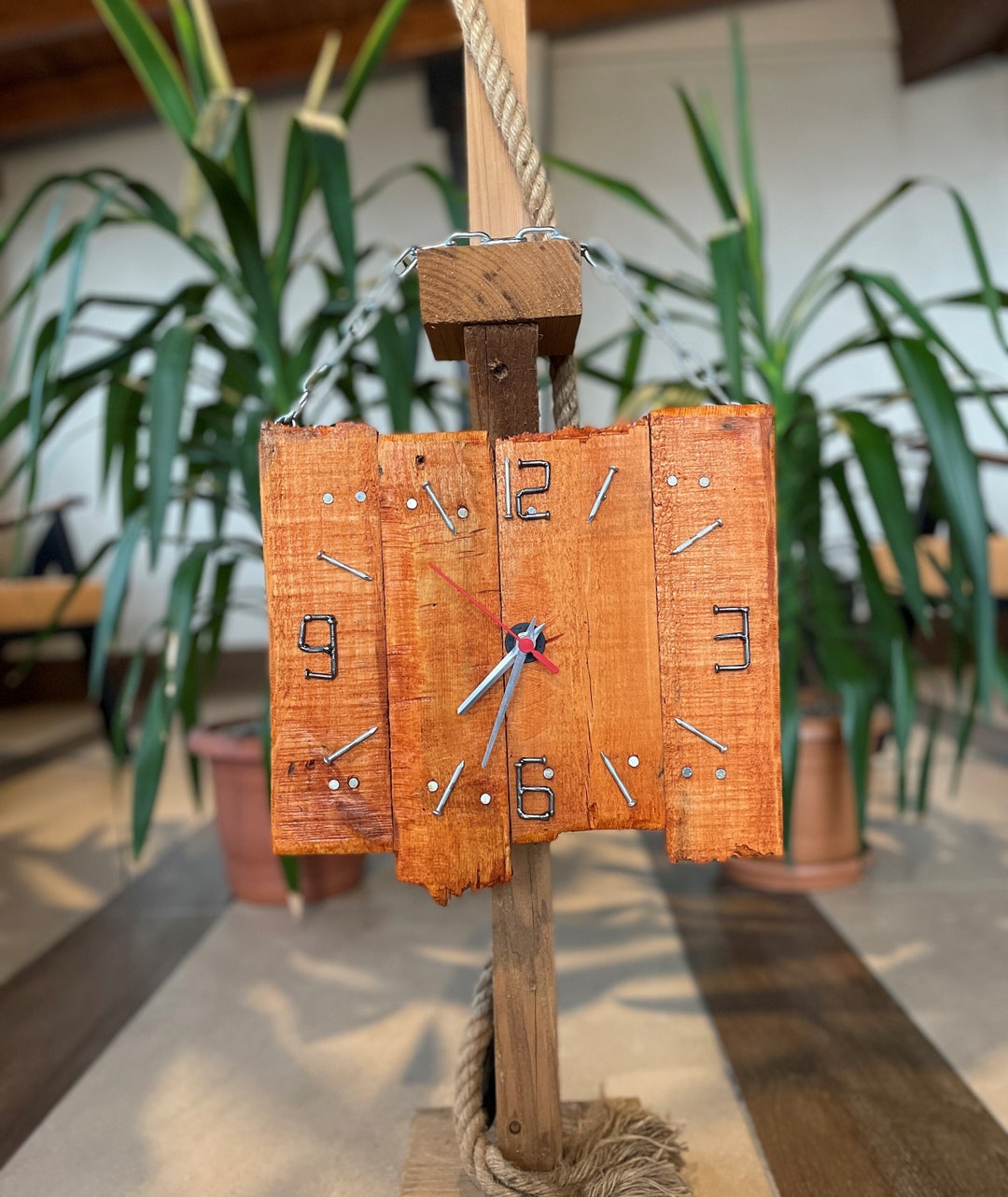
Based in the heart of the Appalachian Mountains, The Clocksmith specializes in handcrafted wooden clocks made from locally sourced timber. Their commitment to sustainability has earned them a loyal customer base, with many appreciating the story behind each clock. They offer workshops for community members, teaching them the art of clock-making and fostering a deeper appreciation for handmade goods.
2. Timber & Time

This small business focuses on using reclaimed wood to create stunning clocks that highlight the beauty of imperfections. Timber & Time emphasizes sustainability by repurposing materials that would otherwise go to waste. Their clocks have gained popularity not just for their design but also for their eco-friendly ethos, drawing in environmentally conscious consumers.
Investing in Quality: The Economic Benefits of Handmade Wood Clocks
While handmade wood clocks may come with a higher upfront cost than their mass-produced counterparts, they offer significant long-term benefits:
- Longevity: These clocks are often more durable and can last for generations, making them a worthwhile investment.
- Increased Value: Handmade items often appreciate over time, particularly if they come from a well-known artisan.
- Reduced Replacement Costs: By investing in a quality piece, consumers will spend less over time on replacements compared to cheaper, lower-quality clocks.
How to Choose the Right Handmade Wood Clock
Choosing the right handmade wood clock involves considering various factors. Here are some tips to help guide your selection:
- Material: Look for clocks made from sustainably sourced or reclaimed wood.
- Style: Consider the decor of your space. Do you prefer modern, rustic, or traditional designs?
- Functionality: Ensure the clock meets your functional needs, such as size, visibility, and mechanism (analog vs. digital).
- Artisan Background: Research the artisan’s story and craftsmanship to connect with the piece on a personal level.
Conclusion: The Future of Timekeeping is Handmade and Sustainable
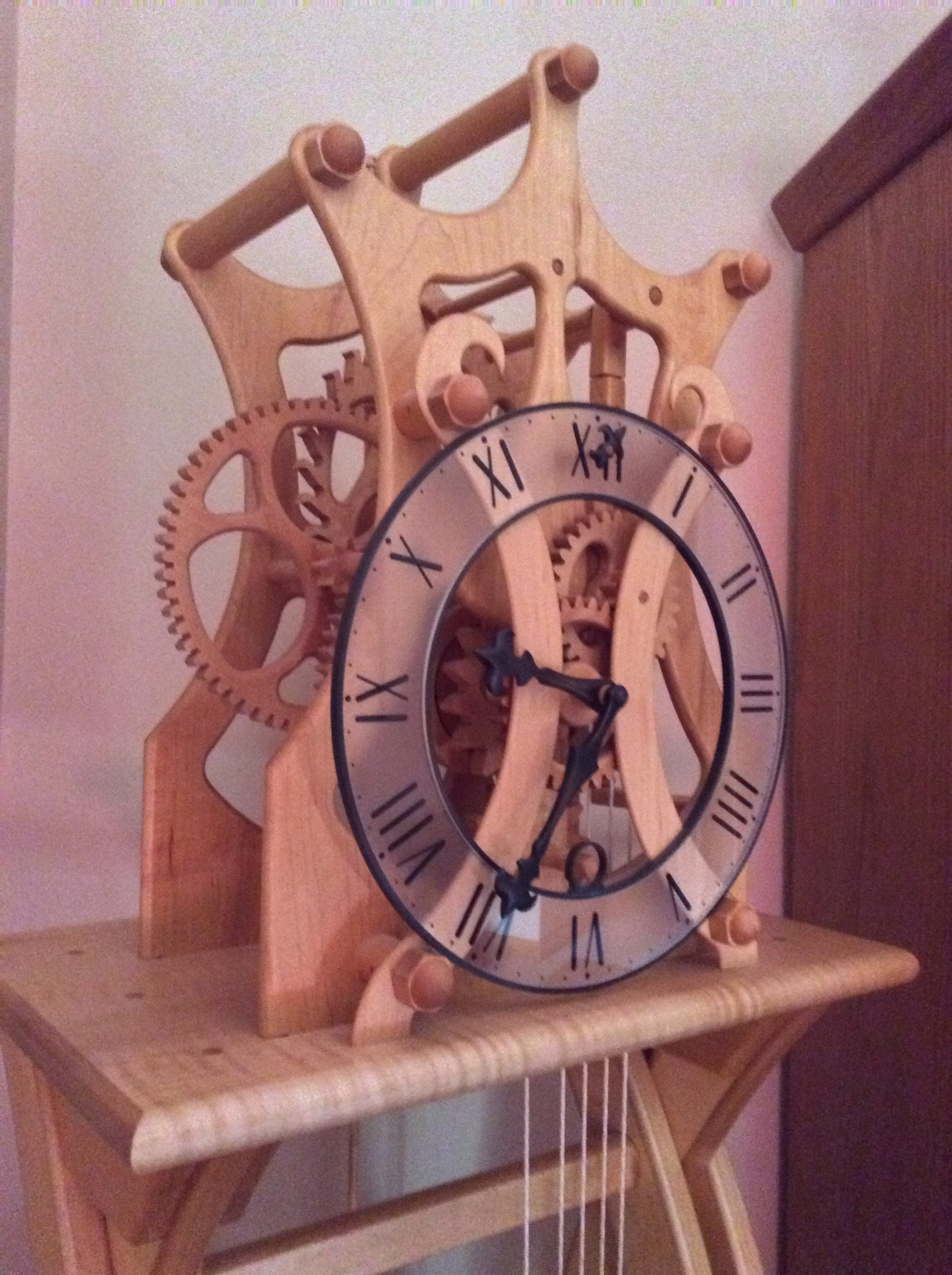
The move towards sustainable living is reshaping consumer choices in every sector, including home decor and timekeeping. Handmade wood clocks offer a unique blend of aesthetic appeal, environmental sustainability, and support for local artisans. By choosing these clocks, consumers not only acquire a beautiful and functional piece but also contribute to a more sustainable and ethical economy.
In summary, the benefits of handmade wood clocks are multifaceted, encompassing aesthetic, environmental, and economic advantages. They represent a conscious choice to invest in quality and sustainability, encouraging a shift away from disposable consumerism. As we continue to navigate the complexities of modern life, embracing sustainable timekeeping can help us reconnect with the beauty of craftsmanship and the importance of caring for our planet.