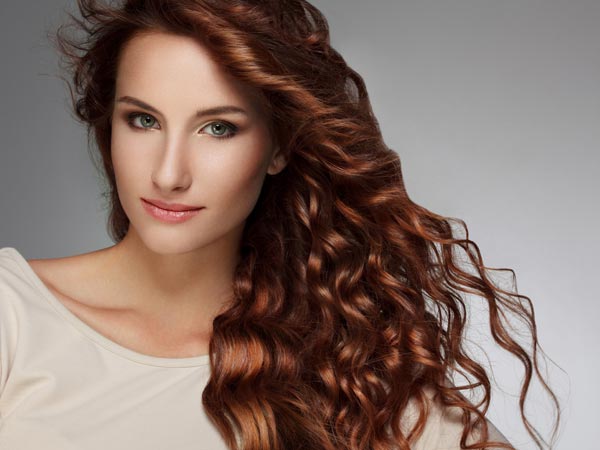
The world of hair color is constantly evolving, offering a dazzling array of techniques to enhance our natural beauty. For those looking to add dimension and vibrancy to their locks, two popular options often come to mind: traditional highlights and the more contemporary pearl tint. While both aim to add lighter strands to the hair, their execution, aesthetic, and suitability for different individuals vary significantly. Understanding these differences is crucial to making an informed decision that aligns with your personal style, hair type, and desired outcome. This article delves deep into the nuances of hair pearl tint and traditional highlights, equipping you with the knowledge to choose the perfect option for your hair journey.
Understanding Traditional Highlights
Traditional highlights have been a salon staple for decades, a time-tested method for adding contrast and brightness to hair. The process typically involves strategically sectioning the hair and applying a lightener or color to individual strands, creating a distinct contrast between the base color and the lighter pieces. This technique allows for a range of effects, from subtle, sun-kissed strands to bold, chunky streaks.
The Classic Approach: How Traditional Highlights Work
The core principle behind traditional highlights is to lift the pigment from specific sections of hair. This is achieved using a bleach-based lightener or a high-lift color. A colorist will meticulously weave or slice sections of hair, apply the chosen product, and then wrap them in foils. The foil acts as an insulator, concentrating the heat and allowing the lightening process to occur more efficiently and evenly. Once the desired level of lift is achieved, the foils are removed, and the hair is toned to neutralize any brassy undertones and achieve the intended shade. The result is a clear and often noticeable contrast between the natural hair color and the highlighted strands.
Pros of Traditional Highlights
- Versatility: Traditional highlights can be adapted to create a multitude of looks, from subtle babylights to dramatic ombré or balayage effects.
- Significant Transformation: They offer a noticeable change in hair color, making them ideal for those seeking a dramatic refresh.
- Cost-Effective (Potentially): While salon services vary, traditional highlights can sometimes be more budget-friendly than complex techniques.
- Long-Lasting: With proper care, traditional highlights can maintain their vibrancy for a considerable period, though touch-ups are necessary as roots grow out.
Cons of Traditional Highlights
- Potential for Damage: The bleaching process, while expertly managed, can still cause dryness, breakage, and damage, especially if not done correctly or if the hair is already compromised.
- Visible Regrowth: As hair grows, the contrast between the natural root color and the highlights becomes evident, requiring regular maintenance appointments.
- Less Natural Blending: Depending on the technique and placement, traditional highlights can sometimes appear more “stripey” or less seamlessly blended than other methods.
- Brassiness: Without proper toning and maintenance, highlights can develop unwanted warm, brassy tones over time.
Introducing Hair Pearl Tint
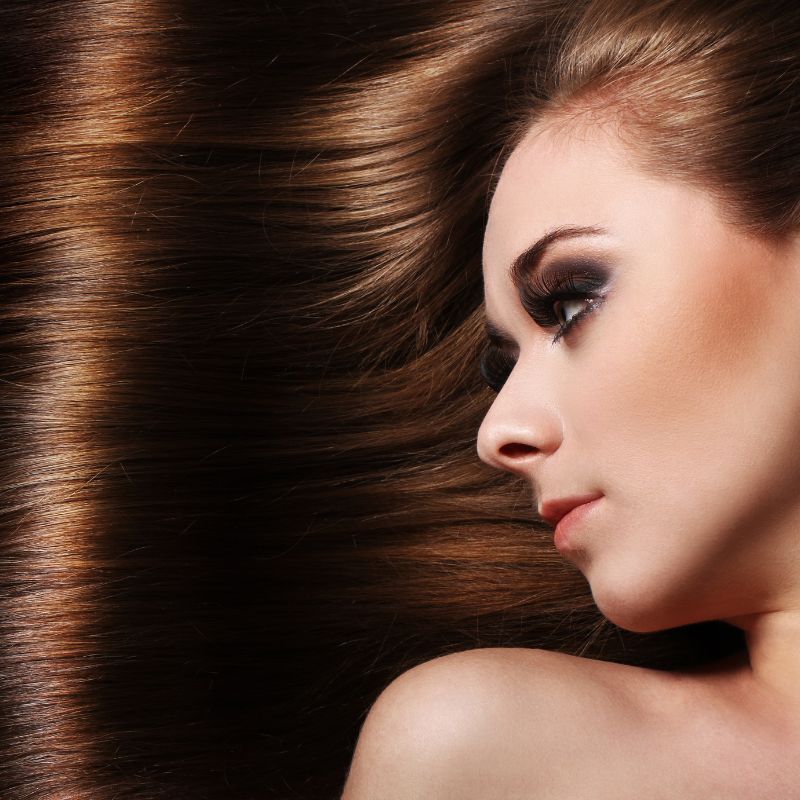
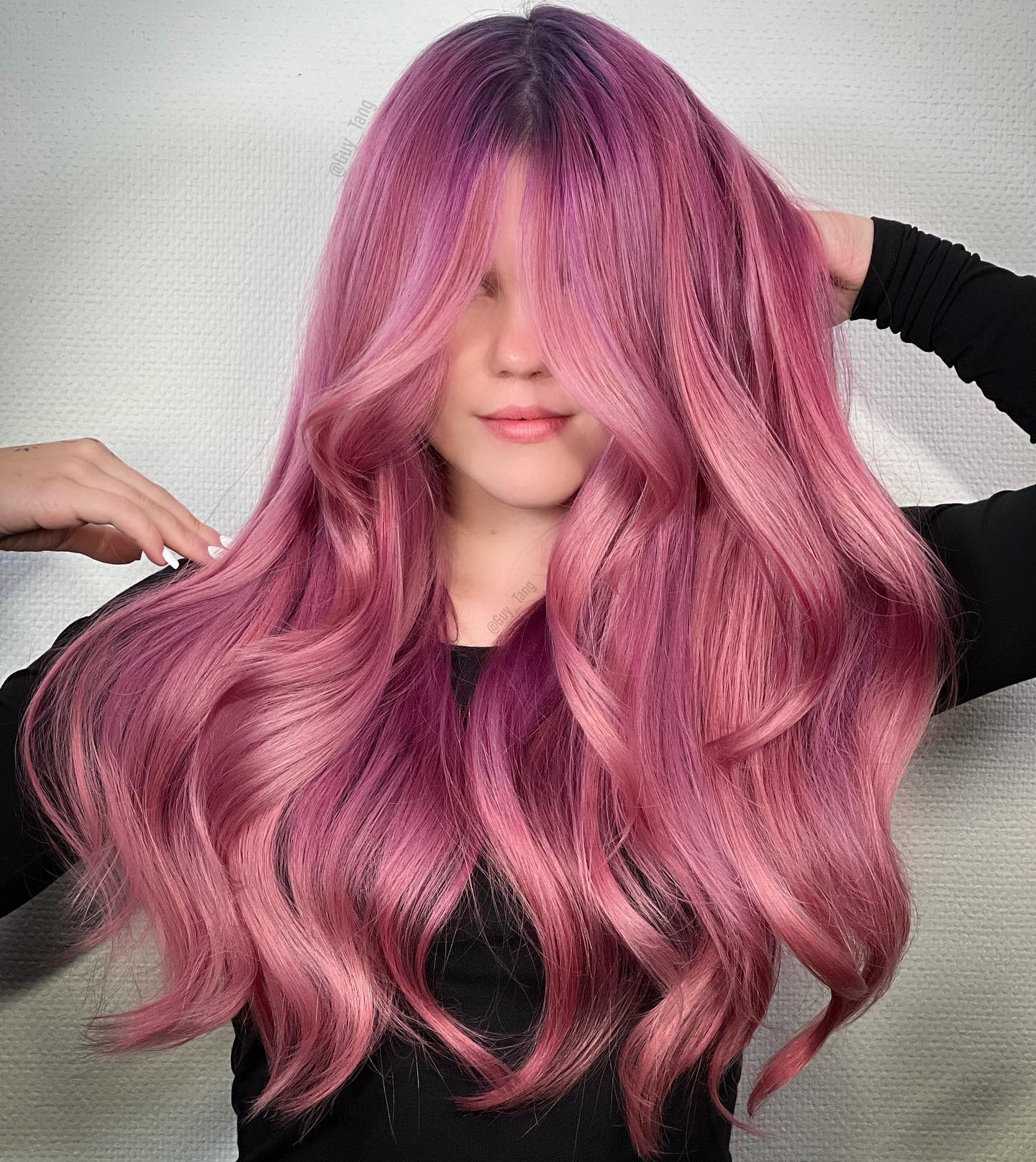
Hair pearl tint, also known as pearl blonde or pearlescent highlights, is a more recent trend that emphasizes a softer, more luminous, and almost ethereal effect. Unlike traditional highlights that focus on distinct contrast, pearl tint aims for a seamless blend with a subtle, iridescent sheen. The name “pearl” evokes the subtle shimmer and delicate hues reminiscent of natural pearls. This technique often involves using cooler, pastel-inspired tones, or achieving a muted, creamy blonde that reflects light beautifully.
The Art of Luminous Color: How Pearl Tint Works
The magic of pearl tint lies in its nuanced application and the specific color formulations used. While lightener is still employed to lift the hair’s natural pigment, the goal is not to achieve extreme lightness. Instead, the focus is on achieving a soft lift that can then be infused with pearlescent tones. This often involves:
- Gentle Lifting: The lightener is applied with a lighter hand, or to finer sections, to achieve a more subtle lift than might be used for dramatic blonde highlights. Techniques like babylights or a very diffused balayage are often employed.
- Cool and Muted Tones: The toning phase is critical. Instead of brassy or golden tones, pearl tints utilize toners with cool undertones, often incorporating shades of ash, violet, or even subtle pink or blue. These toners interact with the lifted hair to create the characteristic pearlescent, iridescent effect.
- Iridescent Finish: The key is to create a sheen that catches the light, giving the hair a luminous, almost shimmering appearance. This is achieved by layering tones and ensuring the light reflects off the hair in a soft, diffused manner.
Pros of Hair Pearl Tint
- Seamless Blend: The primary advantage of pearl tint is its incredibly natural and blended appearance. The transition from base color to the tinted strands is subtle and harmonious.
- Luminous and Ethereal Effect: It imparts a soft, shimmering quality to the hair, making it look healthy, radiant, and sophisticated.
- Modern and Trendy: Pearl tint is a contemporary choice, aligning with current trends for soft, multidimensional color.
- Less Harsh Regrowth: Due to the seamless blend, regrowth is generally less noticeable and jarring compared to traditional highlights.
- Versatile for Various Base Colors: While often associated with blonde hair, pearl tones can be adapted for brunettes as well, creating subtle dimension and a lifted appearance.
Cons of Hair Pearl Tint

- Requires Skilled Application: Achieving the perfect pearlescent finish demands a highly skilled colorist who understands tone and application.
- Can Be More Expensive: The precision and specialized toners involved can sometimes make pearl tint a more costly option.
- Maintenance of Tones: While regrowth is less obvious, maintaining the specific pearlescent tones may require specialized shampoos and conditioners, and potentially more frequent toning appointments.
- Limited Dramatic Impact: If you’re seeking a drastic change or bold contrast, pearl tint might not provide the dramatic effect you desire.
Traditional Highlights vs. Pearl Tint: A Comparative Analysis
To make the best decision, it’s helpful to directly compare these two techniques across various factors:
Aesthetic Goal
- Traditional Highlights: Focus on creating distinct strands of lighter color for added dimension and contrast. The goal can range from subtle sun-kissed effects to bold streaks.
- Pearl Tint: Aims for a soft, seamless blend with a luminous, iridescent sheen. The emphasis is on subtle light reflection and a harmonious, ethereal look.
Application Technique
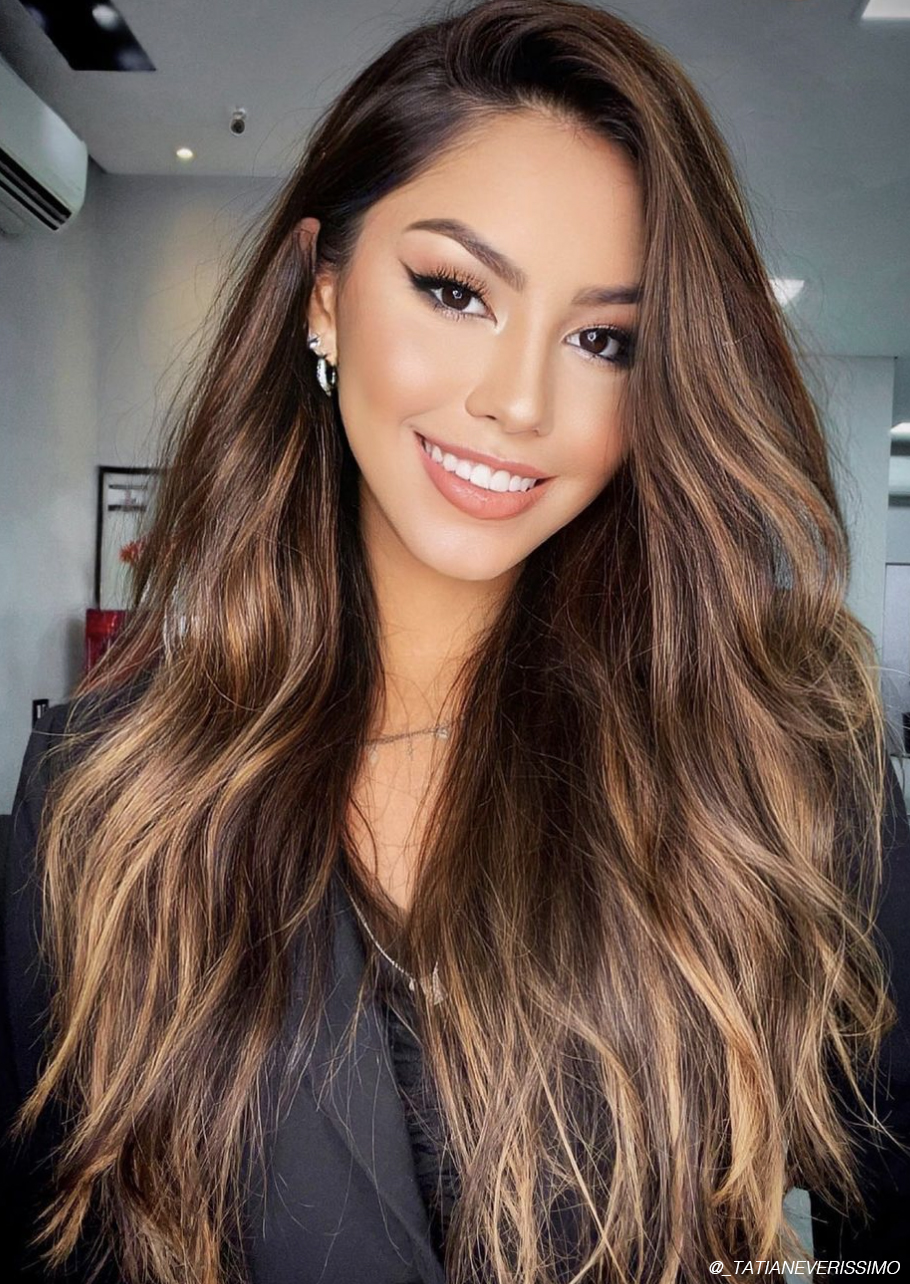
- Traditional Highlights: Often involve foiling to create defined sections and achieve a noticeable lift.
- Pearl Tint: Can utilize techniques like babylights or diffused balayage, with a focus on gentler lifting and precise toning for a soft, blended result.
Color Result
- Traditional Highlights: Typically result in clearly visible lighter strands with a noticeable contrast to the base color.
- Pearl Tint: Creates a subtle, multidimensional effect with a pearlescent shimmer, blending seamlessly with the natural hair color.
Maintenance
- Traditional Highlights: Require regular root touch-ups due to visible regrowth.
- Pearl Tint: Regrowth is less obvious, but maintaining the specific pearlescent tones might necessitate specialized products and occasional toning.
Hair Health
- Traditional Highlights: Can potentially lead to more significant damage due to aggressive lightening, especially if not done with care.
- Pearl Tint: Often involves gentler lifting and a focus on toning, which can be less damaging, but the overall health of the hair still plays a role.
Case Studies: Real-World Examples
To illustrate the practical differences, let’s consider a couple of hypothetical scenarios:
Client A: Seeking a Summer Refresh
Sarah, a natural brunette, wants to add some brightness for the summer months. She desires a subtle, sun-kissed look that doesn’t require constant upkeep. Her colorist recommends traditional highlights, strategically placed to mimic the effect of natural sun exposure. The highlights are a few shades lighter than her base, with a warm, honey-toned finish. This provides a noticeable but natural-looking enhancement, and while roots will eventually show, the overall effect is a gradual transition that fits her desire for a summer glow.
Client B: Aiming for Sophistication and Shine
Emily, a blonde with naturally fine hair, is looking for a way to add dimension and a luxurious shine without a drastic change or damaging her delicate strands. Her colorist suggests a pearl tint using a babylight technique. Very fine strands of her hair are lifted ever so slightly, then toned with a cool, iridescent shade that gives her hair a luminous, almost opalescent finish. The blend is so seamless that regrowth is barely noticeable, and her hair appears incredibly healthy and radiant, embodying a sophisticated, modern aesthetic.
Who is Each Technique Best For?
Choosing between traditional highlights and pearl tint ultimately depends on your individual hair goals, lifestyle, and the desired aesthetic.
Traditional Highlights Might Be For You If:
- You desire a noticeable change and a clear contrast in your hair color.
- You want to achieve a bold look or distinct patterns like chunky highlights.
- You are comfortable with more frequent salon visits for root touch-ups.
- Your hair is healthy and can withstand a more significant lightening process.
- You are looking for a cost-effective option that offers significant impact.
Hair Pearl Tint Might Be For You If:
- You prefer a natural, seamless, and blended look.
- You are seeking a luminous, ethereal, and sophisticated effect.
- You want to add dimension and shine without a dramatic color change.
- You want to minimize the appearance of regrowth.
- You value a modern, trendy aesthetic and a healthy-looking finish.
- You are willing to invest in specialized care to maintain the unique tones.
Statistics and Trends in Hair Coloring
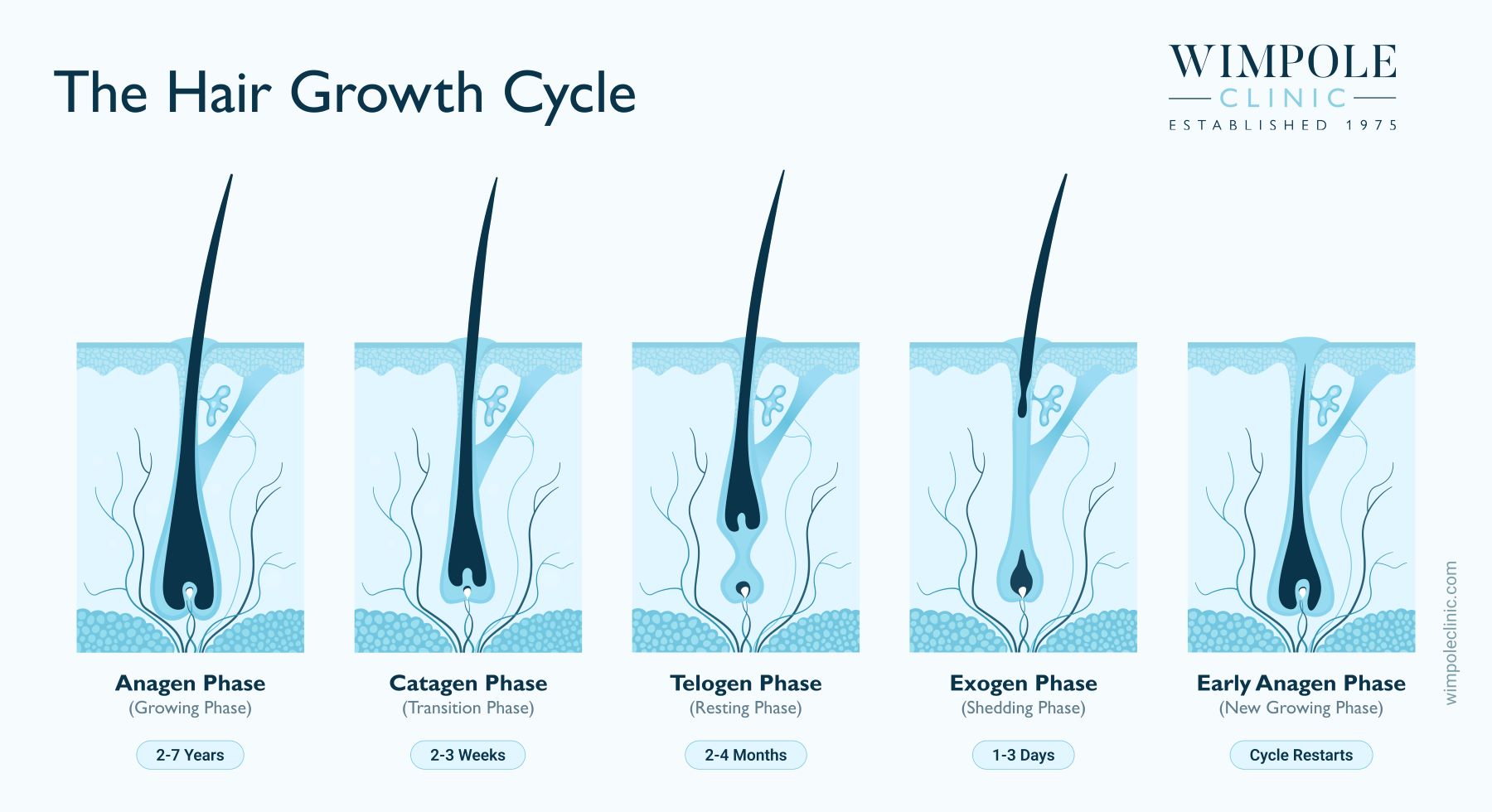
The hair coloring industry is dynamic. According to a 2023 report by Grand View Research, the global hair color market is projected to grow significantly in the coming years, with a rising demand for personalized and low-maintenance color solutions. While specific statistics for pearl tint are nascent, the trend towards subtle, multidimensional color and a focus on hair health are evident. This suggests a growing interest in techniques like pearl tint that offer these benefits.
Furthermore, surveys indicate that consumers are increasingly seeking professional advice for hair coloring, highlighting the importance of consulting with a skilled stylist. The rise of social media platforms has also played a significant role in popularizing new techniques and aesthetics, with pearl tint gaining considerable traction as a visually appealing and sophisticated option.
Making the Final Decision: Consultation is Key
Regardless of which technique you are leaning towards, the most crucial step is a thorough consultation with a qualified and experienced hair colorist. They will assess your current hair condition, discuss your desired outcome, and recommend the technique that best suits your hair type, lifestyle, and personal aesthetic. Be prepared to show inspiration photos and openly communicate your expectations. A skilled colorist will be able to guide you through the process, explain the potential results, and advise on the best aftercare routine to maintain your beautiful new color.
The choice between hair pearl tint and traditional highlights boils down to your personal vision for your hair. Traditional highlights offer a time-tested method for creating distinct contrast and significant change, while hair pearl tint provides a modern, luminous, and seamlessly blended effect. Both techniques have their own set of advantages and considerations. Understanding the nuances of each—from the application process and the resulting aesthetic to maintenance requirements and potential impact on hair health—will empower you to make an informed decision. Ultimately, the most successful outcome lies in partnering with a skilled colorist who can translate your desires into reality, leaving you with hair that makes you feel confident and radiant.