For the modern shotgun enthusiast, the quest for improved accuracy, faster target acquisition, and enhanced shooting experience is a continuous one. While traditional iron sights have served hunters and sport shooters for generations, the advent of red dot sights has revolutionized the way many approach their firearms. Red dot scopes, with their simple yet effective aiming point, offer a distinct advantage, particularly for dynamic shooting scenarios common in shotgun use. This article delves into a comparative review of popular red dot scopes, exploring their features, performance, and suitability for various shotgun applications, from upland bird hunting to tactical defense and clay sports.
The Case for Red Dot Sights on Shotguns
The traditional shotgun, often perceived as a weapon of intimidation and short-range effectiveness, can be transformed with the addition of a red dot. The primary benefit lies in its parallax-free design and the ability to keep both eyes open during aiming. This natural shooting stance significantly improves situational awareness and allows for faster target engagement, a crucial element when dealing with fast-moving game or reactive targets. Unlike magnified scopes, red dots offer a 1:1 magnification, meaning the aiming point doesn’t change relative to the target as the distance varies, making them ideal for the variable ranges often encountered with shotguns.
Consider the scenario of flushing grouse or pheasants. A bird exploding from cover demands immediate, instinctive aiming. A red dot, projecting a single bright point onto the lens, allows the shooter’s eye to naturally center the dot on the target without the need to precisely align front and rear sights. This translates to more opportunities and less missed shots. Similarly, in defensive situations, the ability to acquire a target rapidly is paramount. The instinctive nature of red dot aiming can be the difference maker.
Furthermore, red dot technology has become increasingly robust and affordable. Early models were prone to breakage and limited battery life, but modern iterations are built to withstand the recoil of even heavy-duty shotgun loads and offer extended operational periods on a single battery. This reliability, coupled with their inherent ease of use, has solidified their place in the shotgun accessory market.
Key Features to Consider
When selecting a red dot scope for your shotgun, several key features warrant careful consideration. These will dictate the scope’s performance, durability, and overall suitability for your intended use.
- Reticle Type and Size: Red dots are typically available in 2 MOA (Minute of Angle) or 4 MOA sizes. Smaller dots offer more precise aiming for longer distances, while larger dots are easier to pick up quickly at closer ranges. Some models also offer multi-reticle options, allowing for a dot within a circle, for instance.
- Brightness Settings: Adequate brightness adjustment is crucial for varying light conditions. A good red dot will have a wide range of settings, from dim enough for dawn and dusk hunting to bright enough for direct sunlight.
- Battery Life: This is a critical factor, especially for hunters. Longer battery life means less worry about the reticle failing at a crucial moment. Many modern red dots boast thousands of hours of operation on a single battery.
- Durability and Construction: Shotguns, especially those used for hunting or tactical purposes, can be subjected to harsh environments and significant recoil. The scope’s housing, lens coatings, and overall construction must be robust enough to withstand these stresses. Look for shockproof and waterproof ratings.
- Mounting Options: The ability to securely mount the red dot to your shotgun is essential. Ensure the scope comes with or is compatible with appropriate mounting hardware for your specific firearm.
- Eye Relief and Field of View: While red dots are generally parallax-free and don’t require traditional eye relief, some designs offer a wider field of view, which can be advantageous for tracking moving targets.
Top Contenders: A Comparative Review
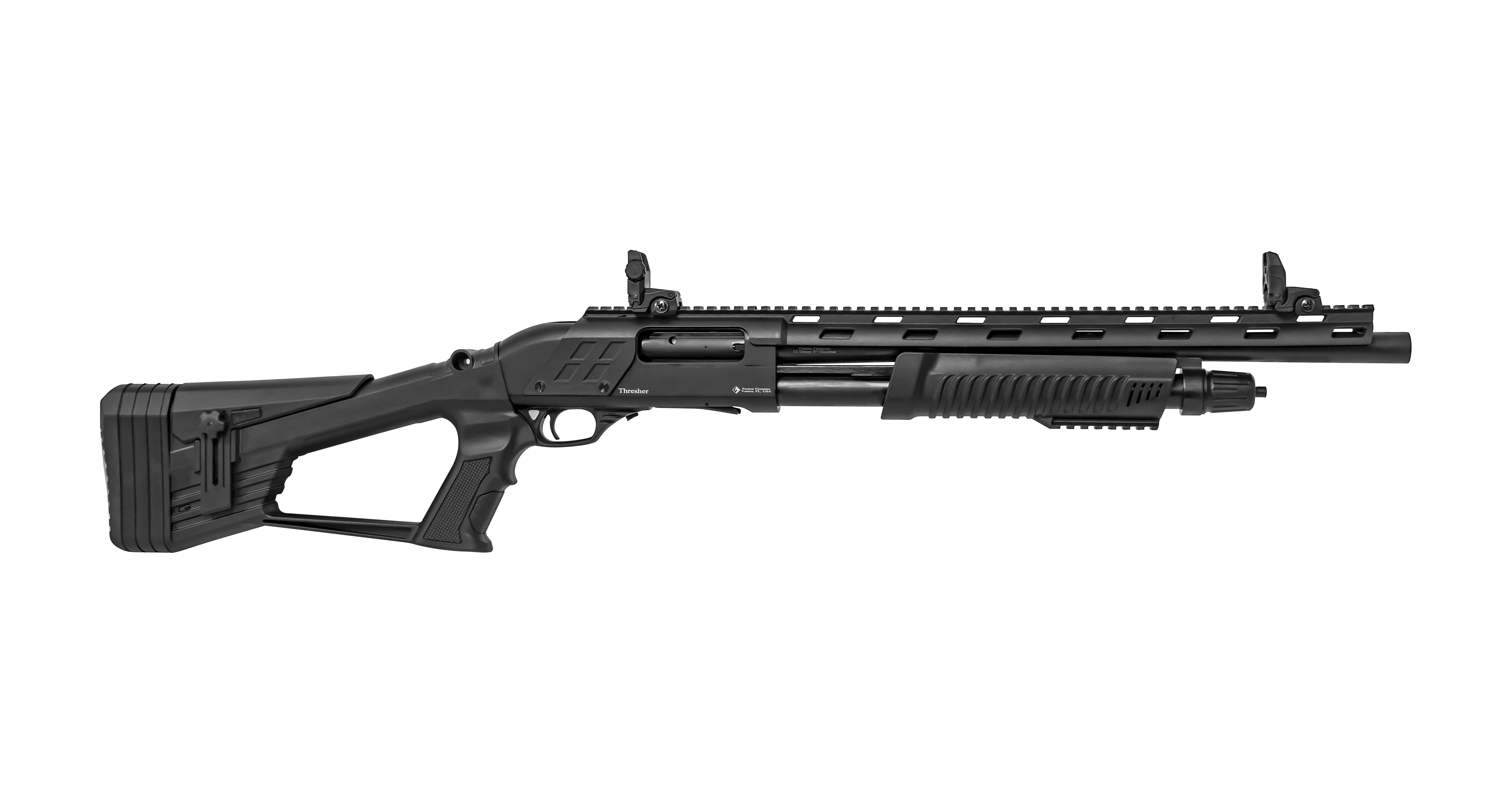
The market is brimming with excellent red dot options, but a few consistently stand out for their performance, reliability, and value for shotgun enthusiasts. We’ll examine some of the most popular choices, highlighting their strengths and weaknesses.
1. Aimpoint: The Gold Standard in Red Dots
Aimpoint is synonymous with ruggedness, reliability, and unparalleled performance. Their red dots are often considered the benchmark against which others are measured. For shotguns, their T-series (e.g., T2) and Comp series (e.g., CompM5) are particularly noteworthy.
- Features: Aimpoint red dots are known for their incredibly long battery life (often years on a single coin cell battery), robust construction capable of withstanding extreme conditions, and a clear, crisp dot. Their parallax-free design is among the best in the industry.
- Pros: Unmatched durability, exceptionally long battery life, excellent optical clarity, a consistent and reliable aiming point. They are built to last a lifetime.
- Cons: Premium price point. Aimpoint optics are an investment, and their cost can be a barrier for some shooters.
- Shotgun Application: Ideal for any shotgun application where absolute reliability and longevity are paramount. This includes professional use, serious hunting in harsh environments, and competitive shooting where failure is not an option. For example, a guide in Alaska would likely trust an Aimpoint on their shotgun against bears.
2. Holosun: Performance and Value in Harmony
Holosun has rapidly gained a reputation for offering high-quality optics with innovative features at competitive price points. Their red dots, such as the HS510C and the HE509T, are excellent choices for shotguns.
- Features: Many Holosun models feature solar failsafe technology, which uses solar power to supplement battery life, dramatically extending operational time. They also often offer multiple reticle systems (MRS) and robust aluminum or titanium construction.
- Pros: Excellent value for money, innovative features like solar power, good battery life, durable construction, often available with multiple reticle options.
- Cons: While durable, they may not match the extreme ruggedness of Aimpoint in the most demanding scenarios.
- Shotgun Application: A fantastic all-around choice for a wide range of shotgun uses. The solar option makes them particularly appealing for hunters who may not have easy access to battery replacements in the field. The HE509T, with its enclosed design, offers enhanced protection against the elements.
3. Vortex Optics: The Accessible Innovator
Vortex Optics has carved out a significant niche by offering feature-rich optics with excellent customer support at accessible price points. Their Sparc AR and Crossfire red dots are popular choices.
- Features: Vortex red dots often come with a variety of mounting heights, making them adaptable to different shotgun setups. They boast good optical clarity, multiple brightness settings, and a transferable lifetime warranty that adds significant value.
- Pros: Excellent value, versatile mounting options, strong warranty support, good performance for the price.
- Cons: Battery life may not be as extensive as some higher-end options, and while durable, they might not withstand the absolute harshest conditions as well as Aimpoint.
- Shotgun Application: A great option for casual hunters, clay shooting enthusiasts, and those looking for a reliable red dot without breaking the bank. The versatility of mounting options makes them easy to integrate onto various shotgun platforms. For instance, a shooter looking to upgrade their sporting clays shotgun would find the Vortex Crossfire a compelling option.
4. Trijicon: Proven Reliability with a Rugged Design
Trijicon is renowned for its tritium-based night sights and robust optics, and their red dot offerings are no exception. The RMR (Ruggedized Miniature Reflex) is a testament to their commitment to durability, and while often seen on handguns, it can be adapted for shotguns.
- Features: The RMR is incredibly compact and built like a tank. It’s known for its exceptional durability and resistance to recoil and environmental factors. Some models feature a dual-illumination system, using both tritium and fiber optics for aiming in all light conditions.
- Pros: Exceptional durability, compact size, excellent for harsh environments, dual-illumination options for all-light performance.
- Cons: Smaller field of view due to its compact nature, can be expensive, and mounting might require specific adapters for shotguns.
- Shotgun Application: Best suited for tactical or rugged hunting applications where extreme durability is the primary concern. While not as common on traditional shotguns as some other options, its resilience makes it a contender for specialized roles.
Case Studies in Action
To illustrate the real-world impact of red dot sights on shotguns, consider these hypothetical scenarios:
Case Study 1: The Upland Bird Hunter
John, an avid pheasant hunter, consistently struggled with wing shots at moderate distances, often finding himself a fraction of a second too slow with his traditional bead sight. After installing a Vortex Crossfire red dot on his 20-gauge pump-action shotgun, his success rate dramatically improved. The instinctive aiming of the red dot allowed him to keep both eyes open, track the flushing birds more effectively, and make quicker, more accurate shots. He reported a nearly 30% increase in downed birds in his first season with the red dot.
Case Study 2: The Home Defender
Sarah lives in a rural area and keeps a 12-gauge shotgun for home defense. Concerned about rapid target acquisition in low-light conditions and the potential for stress-induced aiming errors, she opted for a Holosun HS510C. The large, bright 65 MOA circle-dot reticle was incredibly easy to acquire in dimly lit hallways, and the solar failsafe feature gave her peace of mind knowing the optic would likely remain functional even if the battery died unexpectedly. This provided a significant boost to her confidence and readiness.
Installation and Zeroing: Essential Steps
Once you’ve chosen your red dot, proper installation and zeroing are paramount for optimal performance. Follow these general steps:
- Secure Mounting: Ensure the mount is compatible with your shotgun’s receiver or rail. Hand-tighten screws initially, then use a torque wrench to tighten them to the manufacturer’s specifications. Overtightening can damage the optic or the firearm.
- Initial Zeroing: On a stable rest at a short distance (e.g., 10-20 yards), fire a few shots at a large target. Adjust the red dot’s elevation and windage turrets until the dot is centered on your point of aim.
- Confirm Zero at Range: Move to your intended engagement distance (e.g., 50 yards for upland hunting, 25 yards for defensive applications) and reconfirm your zero. Fine-tune as needed.
- Practice: Regularly practice with your shotgun and red dot to become proficient with the system. This includes shooting from various positions and under simulated stress.
Embracing the Red Dot Advantage
The red dot sight has evolved from a niche accessory to an indispensable tool for a wide array of shotgun enthusiasts. Whether you’re a dedicated hunter pursuing fast-flushing game, a competitive shooter aiming for tighter patterns, or an individual seeking enhanced home defense capabilities, the benefits of improved target acquisition, natural aiming, and increased situational awareness are undeniable. While the premium price of some options may seem daunting, the long-term value, improved performance, and enhanced shooting experience often justify the investment. By carefully considering your intended use and the key features discussed, you can select a red dot scope that will undoubtedly elevate your shotgunning endeavors.