For decades, the humble RCA cable has been the silent workhorse of home audio and video, connecting everything from venerable turntables and cassette decks to early DVD players and amplifiers. Its distinctive red, white, and yellow plugs, representing audio right, audio left, and video respectively, are etched into the memories of audiophiles and cinephiles alike. However, in the rapidly evolving landscape of consumer electronics, the wired world is increasingly giving way to the ethereal realm of wireless connectivity. Bluetooth, once a niche technology, has become ubiquitous, powering everything from headphones and speakers to smart home devices. This presents a fascinating challenge and opportunity: how do we bridge the gap between our beloved legacy RCA-equipped devices and the modern convenience of Bluetooth?
The Enduring Appeal of RCA: A Legacy Worth Preserving
Despite the undeniable allure of wireless freedom, RCA connections still hold significant value for many. The analog nature of RCA cables, particularly for audio, can offer a warm, natural sound that some audiophiles prefer over the often-compressed digital signals of Bluetooth. Vintage audio equipment, often built with superior craftsmanship and designed for longevity, frequently relies solely on RCA inputs and outputs. Furthermore, many users possess extensive libraries of analog media, such as vinyl records or cassette tapes, which require RCA connections for playback. The cost-effectiveness and simplicity of RCA cables also contribute to their continued relevance. There’s an undeniable tactile satisfaction in physically connecting components, a sense of intentionality that some find lacking in the seamless but invisible nature of wireless pairing.
The Bluetooth Revolution: Convenience and Ubiquity
Bluetooth, on the other hand, has fundamentally reshaped how we interact with our electronic devices. Its primary advantage lies in its unparalleled convenience. No more fumbling with tangled cables, no more worrying about the correct port. Simply pair your device, and you’re connected. This wireless freedom has enabled a host of innovations, from true wireless earbuds that offer complete mobility to multi-room audio systems that fill your home with synchronized sound. The proliferation of Bluetooth-enabled devices means that an ever-increasing number of audio sources, such as smartphones, tablets, and laptops, are designed to output audio wirelessly. This creates a natural desire to integrate these modern sources with existing, often high-quality, audio systems that may still rely on RCA inputs.
The Bridge Builders: Understanding Bluetooth Transmitters
The solution to bridging this gap lies in the ingenuity of Bluetooth transmitters. These devices act as intermediaries, converting analog audio signals from your RCA-equipped devices into digital Bluetooth signals that can be wirelessly transmitted to Bluetooth-enabled receivers, such as speakers, headphones, or soundbars. The process is remarkably straightforward, empowering users to breathe new life into their older audio equipment and enjoy a more versatile listening experience.
Types of Bluetooth Transmitters for RCA Devices:
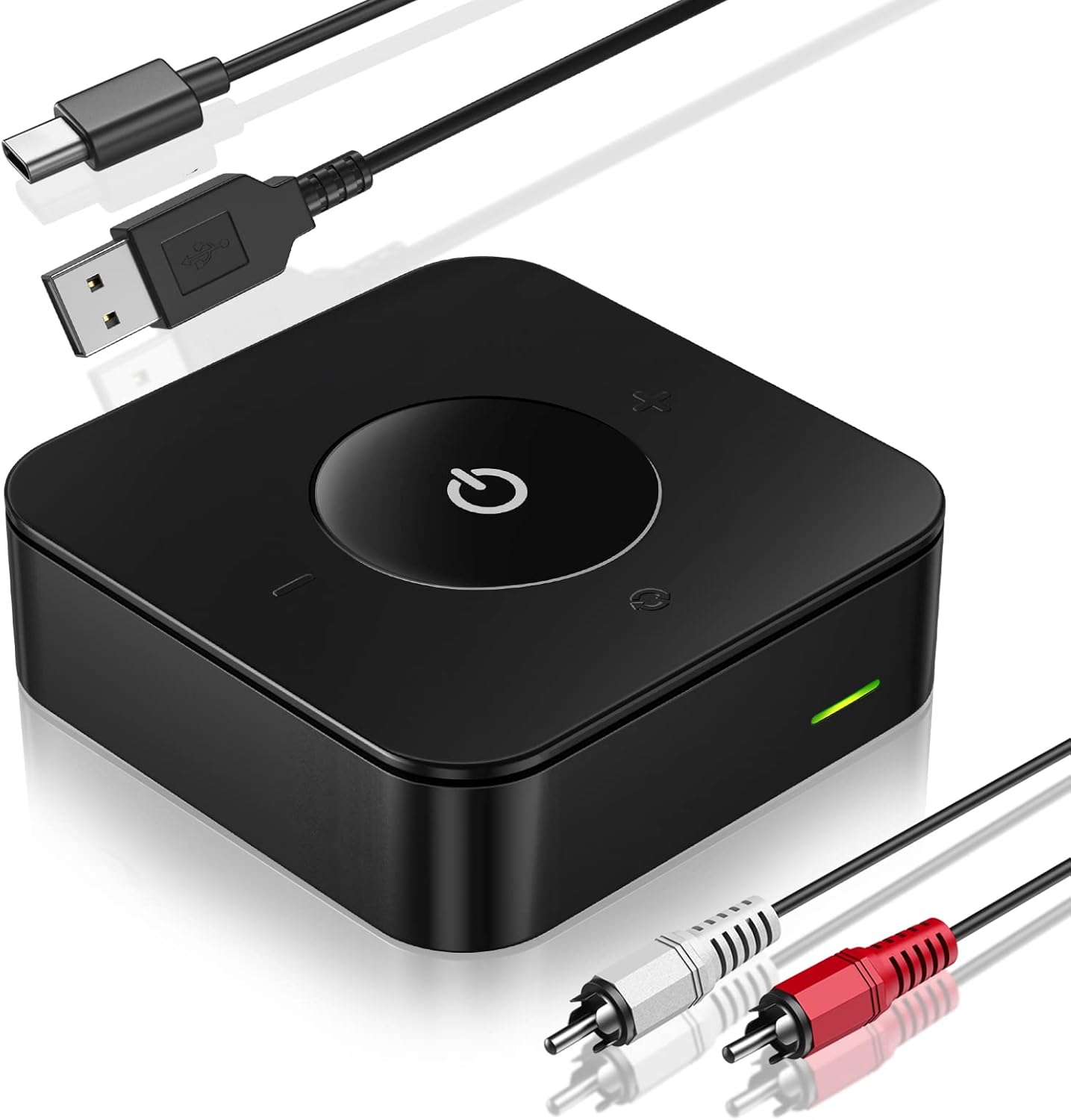
- RCA to Bluetooth Converters: These are dedicated devices specifically designed to accept RCA inputs and transmit audio via Bluetooth. They are often compact and plug directly into the RCA outputs of your source device.
- Audio Adapters with Bluetooth Transmission: Some universal audio adapters offer both input and output capabilities, including Bluetooth transmission. These can be more versatile if you have a variety of audio connection needs.
- Smart TVs and Audio Receivers with Built-in Bluetooth: Increasingly, modern smart TVs and audio receivers are equipped with built-in Bluetooth transmitters. This allows you to directly transmit audio from the TV or receiver to a Bluetooth speaker or headphones without the need for an external transmitter.
The Technicalities: How it Works

At its core, a Bluetooth transmitter for RCA devices performs an analog-to-digital conversion. Your RCA outputting device sends an analog audio signal. The Bluetooth transmitter captures this analog signal and, through a process called Analog-to-Digital Conversion (ADC), transforms it into a digital stream. This digital stream is then encoded into a Bluetooth protocol, making it understandable by Bluetooth receivers. The quality of this conversion and encoding process is crucial to the final sound fidelity. Manufacturers invest in high-quality DACs (Digital-to-Analog Converters) and Bluetooth codecs (like aptX HD or LDAC) to minimize signal loss and distortion, aiming to deliver a listening experience as close as possible to the original analog source.
Key Considerations When Choosing a Bluetooth Transmitter:
- Bluetooth Version: Look for transmitters supporting Bluetooth 4.0 or higher for better range, stability, and power efficiency. Newer versions like Bluetooth 5.0 offer enhanced features such as extended range and faster data transfer.
- Supported Audio Codecs: Codecs determine how audio is compressed and transmitted. While SBC is the standard, codecs like aptX, aptX HD, and LDAC offer higher fidelity sound, especially important for audiophile-grade systems.
- Latency: This refers to the delay between the audio signal leaving the source and reaching the receiver. Low latency is critical for watching videos to ensure audio and video remain synchronized.
- Input and Output Options: Ensure the transmitter has RCA inputs. Some may also offer other input options like 3.5mm auxiliary or even optical digital inputs for added versatility.
- Range: Consider the typical distance between your RCA device and your Bluetooth receiver. Most transmitters offer a range of 10-30 meters, but some high-end models can achieve more.
- Power Source: Transmitters can be powered via USB, AC adapter, or even have a rechargeable battery.
Real-World Applications and Case Studies
The applications of connecting RCA devices to Bluetooth transmitters are numerous and transformative. Consider these scenarios:
Case Study 1: Revitalizing a Vintage Turntable
Sarah inherited her grandfather’s cherished vintage turntable, complete with a high-quality amplifier that only featured RCA outputs. She loved the warm sound of vinyl but found herself limited to listening in one room where the amplifier was located. By connecting a compact RCA to Bluetooth transmitter to the amplifier’s RCA outputs, she could now wirelessly stream her vinyl collection to a modern Bluetooth speaker placed anywhere in her house, enjoying the rich analog sound of her records with the freedom of wireless playback.
Case Study 2: Enhancing a Home Theater System

Mark had a home theater receiver with excellent RCA outputs for his surround sound system. He wanted to enjoy his favorite movies on a new pair of Bluetooth noise-canceling headphones without disturbing his family. He used an RCA to Bluetooth transmitter connected to the receiver’s audio output, allowing him to seamlessly pair his headphones and immerse himself in the movie’s audio, all while maintaining the integrity of his wired surround sound system for others.
Case Study 3: Streaming from a Cassette Deck to a Smart Speaker

David rediscovered his collection of vintage cassette tapes. His cassette deck, a relic of his youth, only had RCA outputs. He wanted to share the nostalgic sounds of his favorite albums with his kids, who were accustomed to smart speakers. By connecting an RCA to Bluetooth transmitter to his cassette deck, he could now stream the audio from his tapes to his Google Home speaker, introducing a new generation to the magic of analog music.
Statistics and Market Trends
The market for Bluetooth audio transmitters is steadily growing, reflecting the increasing demand for wireless convenience and the desire to integrate older audio equipment into modern ecosystems. While precise statistics for RCA-specific transmitters can be elusive, the broader Bluetooth audio market is booming. According to Statista, the global market size for Bluetooth headphones and speakers is projected to reach over $35 billion by 2025. This upward trend directly fuels the demand for adapters and transmitters that facilitate this seamless transition. Furthermore, the increasing lifespan of electronic devices, coupled with a growing appreciation for vintage audio equipment, ensures a sustained market for solutions that bridge the analog and digital divide.
The Future of Analog-Digital Integration

The journey from wires to waves is not about abandoning legacy technology but about integrating it intelligently with the conveniences of the modern age. Bluetooth transmitters for RCA devices are a prime example of this evolution. As technology continues to advance, we can expect to see even more sophisticated solutions, potentially with even lower latency, higher fidelity audio codecs, and more seamless multi-device connectivity. The goal is to empower users to make the most of their existing investments in audio equipment while embracing the unparalleled convenience and flexibility that wireless technology offers. The enduring appeal of high-quality analog audio, combined with the ubiquitous nature of Bluetooth, ensures that the connection between wires and waves will continue to be a vibrant and evolving space for years to come.
Embracing a Hybrid Audio Future

The transition from wired to wireless audio is an undeniable trend, but it doesn’t necessitate the abandonment of beloved RCA-equipped devices. Bluetooth transmitters serve as crucial bridges, allowing us to infuse our legacy audio systems with modern wireless convenience. By understanding the technology, considering key features, and exploring real-world applications, consumers can confidently connect their RCA devices to Bluetooth transmitters, unlocking a world of enhanced flexibility and renewed enjoyment of their existing audio setups. This hybrid approach to audio connectivity ensures that both the rich warmth of analog and the effortless convenience of wireless can coexist, creating a truly versatile and future-proof listening experience.