In our relentless pursuit of maximizing agricultural yields and promoting robust plant health, humanity has long sought effective and sustainable solutions. While synthetic fertilizers have dominated the agricultural landscape for decades, a growing awareness of their environmental impact has spurred a resurgence of interest in natural alternatives. Among these, kelp fertilizer stands out as a potent, eco-friendly powerhouse, offering a remarkable array of benefits that can transform plant growth from the cellular level upwards.
The Untapped Potential of the Ocean’s Gardens

The vast expanse of our oceans harbors an incredible diversity of life, and among the most abundant are the giant, swaying forests of kelp. These remarkable seaweeds, belonging to the brown algae family, have evolved over millennia in a dynamic marine environment, accumulating a complex cocktail of essential nutrients and bioactive compounds. For centuries, coastal communities have recognized the value of kelp, using it for food, medicine, and even as a traditional fertilizer. Today, scientific research is validating these age-old practices, revealing the profound impact kelp can have on terrestrial plant life.
A Symphony of Nutrients: More Than Just Macronutrients
While conventional fertilizers primarily focus on delivering nitrogen (N), phosphorus (P), and potassium (K), kelp fertilizer offers a much more comprehensive nutritional profile. This natural marvel is a veritable treasure trove of micronutrients, trace elements, and beneficial organic compounds that play crucial roles in plant development, often overlooked by synthetic alternatives.
- Macronutrients: While not as concentrated as some synthetic NPK fertilizers, kelp provides a balanced supply of these essential building blocks for plant structure and function.
- Micronutrients: This is where kelp truly shines. It is rich in essential micronutrients like iron, zinc, manganese, copper, boron, and molybdenum, which are vital for enzyme activity, chlorophyll production, and numerous metabolic processes, even in minute quantities.
- Amino Acids: Kelp is a natural source of free amino acids, the building blocks of proteins. These can be readily absorbed by plants and utilized directly for growth, stress resistance, and improved nutrient uptake.
- Vitamins: Kelp contains a range of vitamins, including B vitamins, which are crucial for photosynthesis and energy metabolism.
- Plant Hormones: Perhaps one of the most significant benefits of kelp is its natural content of plant hormones, such as auxins, gibberellins, and cytokinins. These phytohormones are vital regulators of plant growth, influencing root development, shoot elongation, flowering, and fruit set.
- Polysaccharides: Certain complex sugars found in kelp, like alginates and fucoidans, can improve soil structure, enhance water retention, and stimulate beneficial microbial activity.
Unlocking the Growth-Boosting Mechanisms of Kelp
The benefits of kelp fertilizer extend far beyond simply providing nutrients. Its unique composition triggers a cascade of positive effects within the plant and its surrounding environment, leading to demonstrably improved growth and resilience.
1. Enhanced Root Development: The Foundation of Vigorous Growth

One of the most consistently observed benefits of kelp fertilizer is its profound impact on root systems. The presence of auxins, a class of plant hormones abundant in kelp, is a key driver of this effect. Auxins promote cell division and elongation in root tips, leading to a more extensive and robust root network.
- A stronger root system allows plants to anchor themselves more firmly, increasing their stability against wind and water erosion.
- Improved root architecture facilitates more efficient uptake of water and nutrients from the soil, even under challenging conditions like drought.
- Studies have shown that plants treated with kelp extract exhibit significantly increased root biomass and length compared to untreated control groups. For instance, research published in the *Journal of Plant Nutrition* demonstrated a 30-50% increase in root length and dry weight in tomato plants treated with kelp foliar spray.
2. Improved Nutrient Uptake and Utilization
Kelp fertilizer doesn’t just provide nutrients; it also enhances the plant’s ability to absorb and utilize them. The presence of amino acids and chelating agents in kelp can make essential micronutrients more available for uptake by the roots. Furthermore, the stimulation of root growth by kelp hormones leads to a larger surface area for nutrient absorption.
This synergistic effect means that plants treated with kelp may require less overall fertilizer to achieve optimal growth, contributing to a more sustainable agricultural model. The improved nutrient efficiency also translates to healthier, more productive plants.
3. Enhanced Stress Tolerance: Nature’s Own Defense Mechanism

Plants are constantly subjected to environmental stresses, including drought, salinity, extreme temperatures, and pathogen attacks. Kelp fertilizer has been shown to bolster plant resilience against these challenges.
- Osmolyte Production: The polysaccharides and other compounds in kelp can help plants accumulate osmolytes, which are molecules that help maintain cell turgor and protect cellular structures under water stress.
- Antioxidant Activity: Kelp is rich in antioxidants, which help plants combat the damaging effects of reactive oxygen species (ROS) produced during stress conditions. This reduces cellular damage and promotes recovery.
- Chitinase and Glucanase Activity: Some research suggests that kelp extracts can stimulate the production of enzymes like chitinase and glucanase in plants, which play a role in their defense against fungal pathogens.
- A case study from New Zealand found that vineyards treated with kelp-based fertilizers showed improved resistance to powdery mildew and better recovery from drought stress, leading to higher quality grape yields.
4. Increased Yields and Improved Quality
The cumulative effect of enhanced root development, improved nutrient uptake, and increased stress tolerance invariably leads to better crop yields and improved produce quality. Plants treated with kelp often exhibit:
- Earlier flowering and fruiting.
- Larger and more numerous fruits or flowers.
- Enhanced sweetness, flavor, and shelf life in produce.
- Increased overall biomass.
In commercial agriculture, this translates to significant economic benefits for farmers. For example, trials conducted by agricultural research institutions have reported yield increases of 10-25% for various crops, including vegetables, fruits, and grains, when kelp-based fertilizers were incorporated into their fertilization programs.
Applications and Best Practices for Kelp Fertilizer
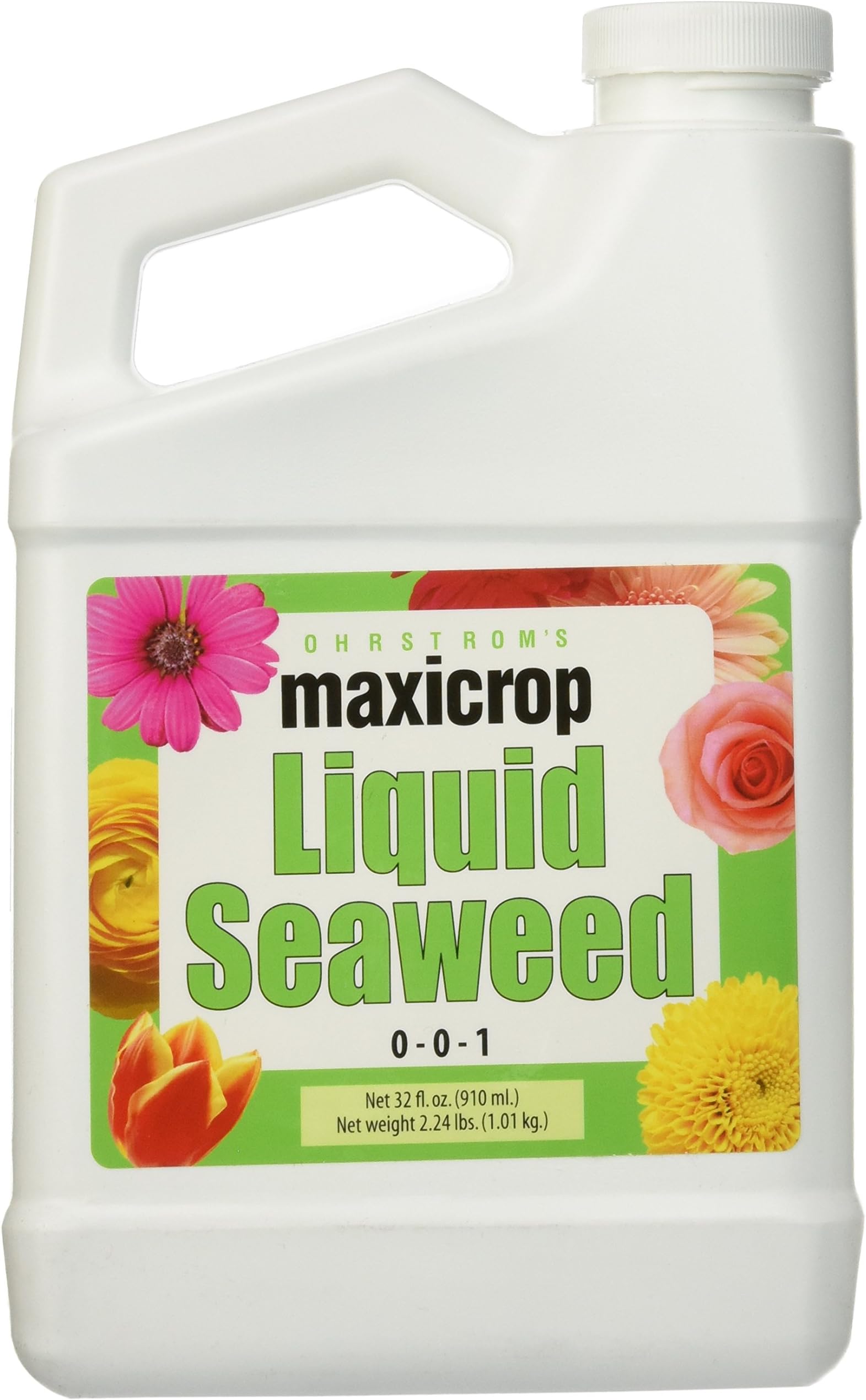
Kelp fertilizer is available in various forms, including liquid extracts, powdered meals, and granular formulations. The choice of product and application method will depend on the specific crop, soil type, and grower preferences.
- Foliar Application: Liquid kelp extracts are often applied as a foliar spray, allowing for rapid absorption of nutrients and hormones directly through the leaves. This is particularly effective for providing a quick boost to stressed plants or during critical growth stages.
- Soil Application: Granular or powdered kelp can be incorporated into the soil before planting or applied as a top dressing. This provides a slow-release source of nutrients and improves soil health over time.
- Seed Soaking: Soaking seeds in a dilute kelp solution before planting can promote faster germination and stronger initial root establishment.
- Hydroponics and Soilless Systems: Kelp extracts can be effectively used in hydroponic and soilless growing systems to provide a comprehensive nutrient solution.
It is important to note that while kelp fertilizer is a natural product, over-application can still lead to imbalances. Following product instructions and considering the existing nutrient levels in your soil are crucial for optimal results.
Sustainability and the Future of Kelp Fertilizers

The growing demand for sustainable agriculture places kelp fertilizer in a highly advantageous position. Unlike synthetic fertilizers, which are often derived from fossil fuels and can contribute to nutrient runoff and water pollution, kelp is a renewable resource harvested from the ocean.
- Reduced Environmental Footprint: Kelp farming itself can have positive environmental impacts, such as absorbing excess carbon dioxide from the atmosphere and providing habitat for marine life.
- Biodegradable and Non-Toxic: Kelp-based products are biodegradable and do not pose the same risks of soil and water contamination as their synthetic counterparts.
- Circular Economy Potential: As the aquaculture industry expands, utilizing kelp as a fertilizer represents a valuable way to create a more circular economy, transforming a biological resource into a valuable agricultural input.
With continued research and innovation, the applications and effectiveness of kelp fertilizers are likely to expand further, offering even greater benefits for plant growth and environmental sustainability.
Embracing Nature’s Wisdom for Thriving Plants

In the intricate dance of life, nature often holds the most elegant and effective solutions. Kelp fertilizer, a product of the ocean’s bountiful embrace, exemplifies this principle. By providing a rich and balanced spectrum of nutrients, beneficial hormones, and organic compounds, kelp empowers plants to develop stronger roots, enhance nutrient uptake, build resilience against stress, and ultimately, achieve their full growth potential. As we navigate the complexities of modern agriculture, embracing the wisdom of nature, as embodied by kelp fertilizer, is not just an option, but a vital step towards a more sustainable, productive, and vibrant future for our planet and its crops.