In the ongoing quest for sustainable and effective gardening practices, an ancient marine marvel is steadily gaining recognition: kelp fertilizer. Far from being a mere novelty, this potent ocean extract offers a comprehensive suite of benefits for both soil health and plant vitality, presenting a natural and eco-friendly alternative to synthetic fertilizers. As gardeners and agricultural professionals alike seek to reduce their environmental footprint and enhance crop yields, understanding the science and application of kelp fertilizer becomes increasingly vital.
The Ocean’s Bounty: What Exactly is Kelp Fertilizer?

Kelp fertilizer is derived from various species of large brown seaweed, harvested from cool, nutrient-rich ocean waters. These seaweeds are then processed through methods such as drying, grinding, or liquid extraction to create a usable fertilizer. The magic of kelp lies in its incredibly complex and nutrient-dense composition. It’s not just a source of macronutrients like nitrogen, phosphorus, and potassium (NPK), though it does contain these in varying amounts depending on the species and processing. Its true value lies in the abundance of micronutrients, trace minerals, amino acids, vitamins, and unique growth stimulants that are often missing or deficient in terrestrial soils.
A Rich Tapestry of Nutrients and Beneficial Compounds

The elemental profile of kelp is nothing short of remarkable. It boasts a spectrum of essential micronutrients, including:
- Iron
- Manganese
- Zinc
- Copper
- Boron
- Molybdenum
- Cobalt
These micronutrients, though required in small quantities, are critical for various plant physiological processes, from enzyme activation and chlorophyll production to stress tolerance and disease resistance. Beyond minerals, kelp is a powerhouse of organic compounds:
- Amino Acids: These are the building blocks of proteins and play a crucial role in plant metabolism, nutrient uptake, and stress mitigation. They can be directly assimilated by plants, bypassing some metabolic pathways and providing an immediate energy boost.
- Vitamins: Kelp contains a range of vitamins, including B vitamins, which are vital for energy production and overall plant health.
- Hormones: Perhaps one of the most significant benefits is the presence of natural plant hormones like cytokinins, auxins, and gibberellins. These compounds regulate cell division, root development, shoot growth, flowering, and fruit set. Cytokinins, in particular, are known for their ability to promote cell division and delay senescence (aging) in plants.
- Polysaccharides: Complex carbohydrates like alginates and laminarin found in kelp can improve soil structure, enhance water retention, and stimulate beneficial microbial activity.
Nourishing the Soil: The Foundation of Plant Health
While plants directly benefit from the nutrients in kelp fertilizer, its impact on the soil ecosystem is equally profound. Healthy soil is the bedrock of vibrant plant growth, and kelp fertilizer acts as a powerful soil conditioner and enhancer.
Boosting Soil Structure and Water Retention
The alginates present in kelp are particularly adept at improving soil structure. When applied to the soil, these long-chain molecules bind soil particles together, creating a more stable and porous aggregation. This improved aggregation leads to:
- Better aeration, allowing oxygen to reach plant roots.
- Enhanced drainage, preventing waterlogging and root rot.
- Increased water-holding capacity, making plants more resilient to drought conditions.
This improved water management is crucial, especially in areas prone to erratic rainfall or high temperatures. A study published in the *Journal of Plant Nutrition* found that soil treated with seaweed extract exhibited significantly improved water infiltration rates and reduced soil compaction compared to untreated controls.
Stimulating Beneficial Microbial Activity
A thriving soil microbiome is essential for nutrient cycling and plant health. Kelp fertilizer acts as a food source for beneficial soil microorganisms, including bacteria and fungi. These microbes play a vital role in:
- Decomposing organic matter, releasing nutrients in a form that plants can absorb.
- Fixing atmospheric nitrogen.
- Protecting plants from soil-borne pathogens.
The sugars and amino acids in kelp provide readily available energy for these microorganisms, leading to a more robust and diverse soil food web. This enhanced microbial activity can lead to improved nutrient availability and a reduction in the need for synthetic fertilizers.
Enhancing Nutrient Availability and Uptake
Kelp fertilizer doesn’t just add nutrients; it also facilitates their availability and uptake by plants. The organic acids present in kelp can chelate, or bind to, essential minerals in the soil, making them more soluble and accessible to plant roots. Furthermore, the presence of amino acids can directly enhance nutrient absorption by plant cells, reducing nutrient losses through leaching.
Cultivating Vibrancy: Direct Benefits for Plant Growth
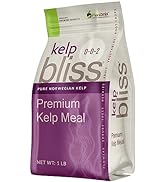
The application of kelp fertilizer translates directly into visible improvements in plant growth, health, and resilience.
Promoting Robust Root Development
The cytokinins and auxins in kelp are powerful root growth stimulants. These hormones encourage cell division and elongation in root tissues, leading to a more extensive and vigorous root system. A well-developed root system is crucial for:
- Anchoring the plant firmly in the soil.
- Accessing a larger volume of water and nutrients.
- Improving the plant’s overall stability and ability to withstand stress.
In agricultural trials, crops treated with kelp-derived root stimulators have consistently shown increased root mass and depth compared to conventional treatments.
Enhancing Photosynthesis and Chlorophyll Production

The micronutrients, particularly iron and manganese, are essential cofactors for chlorophyll synthesis and function. Adequate levels of these minerals, readily supplied by kelp, ensure that plants can efficiently capture sunlight and convert it into energy through photosynthesis. This leads to:
- Greener, healthier foliage.
- Increased biomass production.
- Improved overall plant vigor.
Boosting Disease and Pest Resistance
Kelp fertilizer has been shown to bolster a plant’s natural defense mechanisms. The complex polysaccharides can stimulate the production of plant defense compounds, making them less susceptible to diseases and pest infestations. Additionally, the presence of certain trace elements can strengthen cell walls, creating a physical barrier against pathogens. This integrated approach to plant health can reduce the reliance on chemical pesticides.
For example, research in horticulture has indicated that plants treated with seaweed extracts exhibit increased resistance to fungal diseases like powdery mildew and early blight. This is often attributed to the induction of systemic acquired resistance (SAR) within the plant.
Improving Flowering and Fruit Set
The growth-regulating hormones, especially cytokinins and gibberellins, play a significant role in flowering and fruit development. By promoting cell division and nutrient allocation to reproductive structures, kelp fertilizer can lead to:
- More abundant and vibrant blooms.
- Increased fruit set and yield.
- Improved quality and size of fruits and vegetables.
Anecdotal evidence from organic farmers often highlights the remarkable difference kelp applications make in the fruiting of tomatoes, peppers, and berries.
Practical Applications and Considerations
Kelp fertilizer is available in various forms, each suited to different gardening needs and preferences.
Forms of Kelp Fertilizer:
- Liquid Extracts: These are highly concentrated and easily absorbed by plants through foliar sprays or soil drenching. They offer a quick nutrient boost.
- Meal or Granules: This is dried and ground kelp. It’s typically incorporated into the soil before planting or used as a top dressing, providing a slow-release source of nutrients and organic matter.
- Compost Activator: Kelp meal can be added to compost piles to speed up decomposition and enrich the finished compost.
Application Methods:

The best application method depends on the form of fertilizer and the specific needs of the plants.
- Foliar Spray: Diluted liquid kelp can be sprayed directly onto plant leaves. This allows for rapid absorption of nutrients and growth stimulants, particularly effective for addressing immediate deficiencies or boosting flowering.
- Soil Drench: Liquid kelp can be diluted and watered into the soil around the base of plants. This benefits the root system and soil microbes.
- Incorporation into Soil: Kelp meal is best mixed into the soil before planting or tilled into the top few inches of garden beds.
- Top Dressing: For established plants, a light layer of kelp meal can be applied around the plant’s base and gently worked into the topsoil.
Dosage and Timing:
It’s crucial to follow the manufacturer’s instructions for dilution ratios and application frequency. Over-application can, in rare cases, lead to nutrient imbalances. Generally, kelp fertilizer is applied:
- As a soil amendment before planting.
- During the growing season, at regular intervals (e.g., every 2-4 weeks for liquid applications).
- Before and during flowering and fruiting stages for optimal results.
For example, a common recommendation for liquid kelp is a dilution of 1-2 tablespoons per gallon of water for foliar sprays and soil drenches, applied every few weeks.
Environmental Benefits and Sustainability
The adoption of kelp fertilizer aligns perfectly with the principles of sustainable agriculture and eco-conscious gardening.
- Renewable Resource: Kelp grows rapidly and can be sustainably harvested without depleting ocean ecosystems. Responsible harvesting practices are essential to ensure the long-term health of kelp forests, which are vital marine habitats.
- Reduced Chemical Runoff: By providing a natural source of nutrients, kelp fertilizer can significantly reduce the need for synthetic fertilizers, which are a major source of water pollution through runoff.
- Carbon Sequestration: Kelp forests are highly effective at absorbing carbon dioxide from the atmosphere, playing a role in mitigating climate change. Sustainable harvesting can even contribute to capturing and sequestering carbon in harvested products.
- Biodegradable: Kelp is a natural organic material that breaks down in the soil, contributing to its long-term health and fertility.
Case Study: The Impact on Commercial Agriculture
Several commercial agricultural operations have successfully integrated kelp fertilizers into their crop management strategies. For instance, a study conducted in California on strawberry farms reported a 15% increase in marketable yield and a significant improvement in fruit firmness and shelf life after incorporating a kelp-based biostimulant program. The growers also noted a reduction in their reliance on chemical fungicides due to enhanced plant resilience. Similarly, vineyards in New Zealand have utilized kelp extracts to improve vine vigor, increase grape berry size, and enhance resistance to common fungal diseases like powdery mildew and botrytis, leading to higher quality wine production.
Embracing the Power of the Ocean for a Greener Garden

Kelp fertilizer is a testament to the incredible power and abundance of nature. Its rich, natural composition of macronutrients, micronutrients, amino acids, vitamins, and plant hormones makes it a potent tool for fostering robust soil health and cultivating vibrant, resilient plants. From improving soil structure and water retention to stimulating root growth, enhancing photosynthesis, and boosting natural defense mechanisms, the benefits are far-reaching and scientifically supported. As we strive for more sustainable and effective gardening practices, embracing kelp fertilizer is not just an environmentally sound choice; it’s a strategic one that promises healthier soil, more vigorous plants, and ultimately, a more bountiful harvest. By harnessing the ocean’s ancient wisdom, we can cultivate a greener, healthier future for our gardens and our planet.