As parents, we are constantly seeking ways to ensure our children receive the optimal nutrition they need to thrive. From balanced meals to encouraging healthy habits, the journey of raising a child is a continuous learning process. One aspect that often garners attention is the role of vitamin supplements, and for many, the iconic Flintstones Chewable Vitamins have become a familiar, and often beloved, part of a child’s daily routine. This article delves into how parents can effectively and intelligently incorporate Flintstones Chewable Vitamins into their child’s diet, backed by insights into childhood nutrition and the benefits of supplementation.
Understanding Childhood Nutritional Needs
Before we explore the specifics of Flintstones vitamins, it’s crucial to understand the foundational nutritional requirements of growing children. Childhood is a period of rapid physical and cognitive development. During these formative years, children need a diverse range of vitamins and minerals to support:
- Bone Growth and Development: Calcium and Vitamin D are paramount for building strong bones and teeth.
- Energy Production: B vitamins (B1, B2, B6, B12) play a vital role in converting food into energy, essential for active play and learning.
- Immune System Function: Vitamins A, C, and E, along with minerals like zinc, are critical for a robust immune system to ward off common illnesses.
- Cognitive Development: Nutrients like iron and iodine are important for brain function and cognitive abilities.
- Vision: Vitamin A is essential for healthy eyesight.
While a well-balanced diet is the cornerstone of good nutrition, it’s not always easy to ensure children consume all the necessary micronutrients. Picky eating habits, busy schedules, and food availability can all contribute to potential nutritional gaps.
The Role of Supplementation: When and Why?
Supplementation, particularly with multivitamins like Flintstones, can serve as a valuable bridge to fill these potential dietary gaps. It’s important to approach supplementation not as a replacement for healthy eating, but as a complementary strategy. The American Academy of Pediatrics (AAP) generally recommends that most healthy children who eat a varied diet do not require routine vitamin supplementation. However, they acknowledge specific circumstances where supplementation might be beneficial, including:
- Children with restrictive diets: Vegan or vegetarian children, or those with allergies or intolerances.
- Children with certain medical conditions: Conditions affecting nutrient absorption or increasing nutrient needs.
- Children with poor appetite or picky eaters: Where dietary intake is consistently insufficient.
- Children in areas with fortified food limitations: Where staple foods might not be sufficiently fortified with essential nutrients.
It’s always recommended to consult with a pediatrician or a registered dietitian to determine if vitamin supplementation is appropriate for your child. They can assess your child’s individual needs and recommend the best course of action.
Flintstones Chewable Vitamins: A Familiar Friend
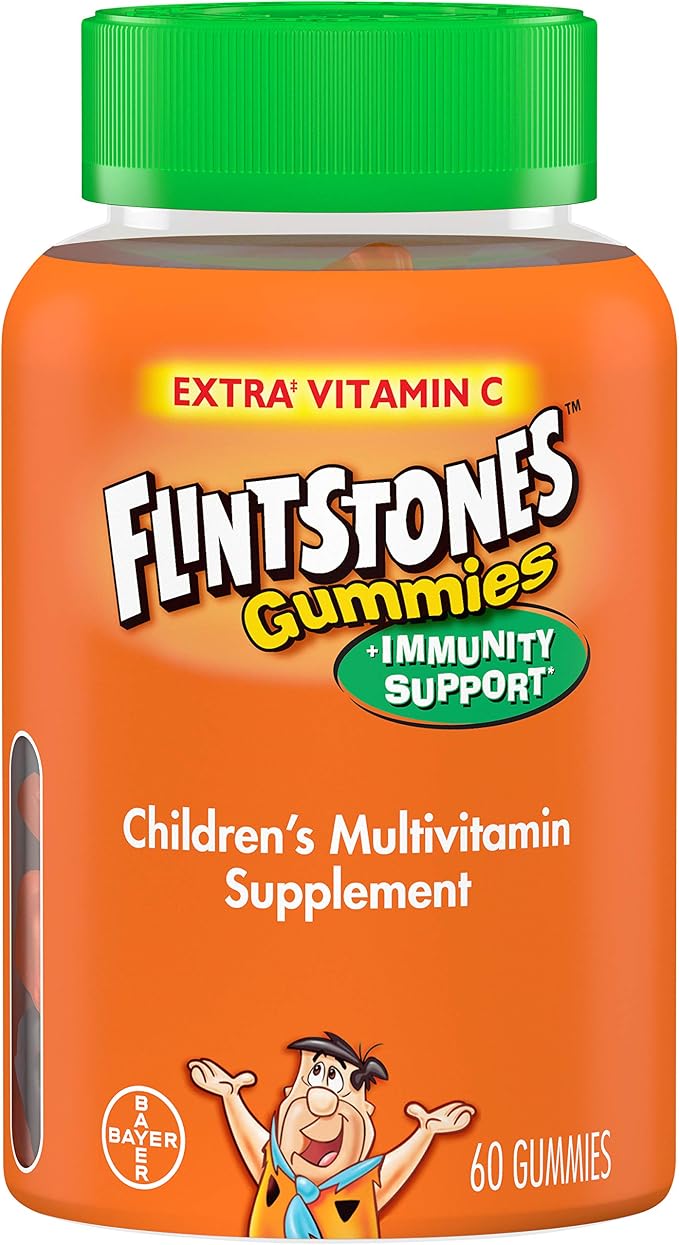
Flintstones Chewable Vitamins have been a household name for generations, offering a fun and palatable way for children to get essential vitamins and minerals. Their appeal lies in:
- Taste and Form: The chewable format and fruit flavors make them appealing to children, transforming a potentially mundane task into a treat.
- Comprehensive Formula: They typically contain a broad spectrum of essential vitamins and minerals, often aligning with the recommended daily allowances (RDAs) for children.
- Brand Recognition: Their long-standing presence in the market has built trust and familiarity among parents.
A typical Flintstones Chewable Vitamin formula often includes key nutrients such as Vitamin A, C, D, E, B vitamins, iron, and zinc, addressing many of the critical needs for childhood development.
Integrating Flintstones into a Healthy Routine: Practical Tips
Successfully integrating Flintstones Chewable Vitamins into your child’s routine requires a mindful approach that prioritizes education, consistency, and positive reinforcement. Here’s how you can make it a seamless and beneficial part of your child’s day:
1. Consult Your Pediatrician First

This cannot be stressed enough. Before introducing any supplement, schedule a conversation with your child’s pediatrician. They can:
- Assess your child’s diet: Identify any genuine nutritional gaps.
- Recommend the right dosage: Ensure you’re not over-supplementing.
- Check for potential interactions: If your child is on any medication.
- Advise on specific formulations: Some children might benefit from formulations with added iron or other specific nutrients.
Dr. Emily Carter, a pediatrician with over 15 years of experience, emphasizes, “While Flintstones are generally safe and beneficial for many children, a personalized recommendation from a healthcare professional is paramount to ensure optimal health outcomes and avoid any potential adverse effects.”
2. Make it a “Treat” or a “Reward” (with Caution)

The inherent appeal of chewable vitamins can be leveraged. Consider these approaches:
- Post-Breakfast Ritual: Make it the last thing your child consumes after a nutritious breakfast. This reinforces the idea that it complements a healthy meal.
- After a Chore: For older children, it can be a small reward for completing a task, but be careful not to create an unhealthy association where vitamins are only taken when “earned.”
- Part of a “Healthy Habits” Routine: Frame it as another important step in taking care of their body, alongside brushing teeth and washing hands.
However, it’s crucial to avoid making it a bribe or a primary reward system, as this can diminish its perceived health importance and potentially lead to a reliance on rewards for healthy behaviors.
3. Establish a Consistent Time

Consistency is key to forming any habit. Choose a time each day that works best for your family. Common times include:
- After breakfast: Many parents find this ideal as it ensures the stomach is not empty, potentially reducing any mild digestive upset.
- After lunch or dinner: Another good option, especially if your child has a less substantial breakfast.
By making it a predictable part of the day, it becomes an automatic action, reducing the need for constant reminders.
4. Store Them Safely and Out of Reach
Flintstones vitamins, while beneficial, are still supplements and not candy. It’s vital to store them securely to prevent accidental overconsumption:
- Childproof Containers: Ensure the bottle is always securely closed.
- High Shelving: Store them in cabinets or on shelves that are out of your child’s reach.
- Educate Older Children: If your child is old enough to understand, explain why it’s important not to take more than the recommended dose and where they are stored.
The Centers for Disease Control and Prevention (CDC) highlights the importance of safe storage for all medications and supplements, emphasizing that even vitamins can cause harm in excessive quantities.
5. Educate Your Child (Age-Appropriate)
Involve your child in understanding why they take their “special vitamin.” For younger children, simple explanations work:
- “This vitamin helps your bones grow strong so you can run and jump!”
- “It gives you super powers to fight off sniffles!”
For older children, you can delve a little deeper:
- “Our bodies need different kinds of fuel, like vitamins, to work properly. This vitamin helps make sure you get enough of them, even if you don’t love all your vegetables.”
- “It supports your brain so you can learn in school and your muscles so you can play sports.”
This fosters a sense of ownership and understanding, making them more likely to comply willingly.
6. Reinforce the “Diet First” Principle
It’s crucial to continually reinforce that the vitamin is a supplement, not a substitute for a healthy diet. When serving meals, continue to offer a variety of fruits, vegetables, whole grains, and lean proteins. You can use this as a teaching moment:
- “We eat our broccoli because it has Vitamin A, which helps our eyes, and our Flintstone vitamin gives us other important vitamins too!”
A study published in the *Journal of the Academy of Nutrition and Dietetics* found that children who consumed a wider variety of foods generally had better nutrient intakes, even if they also took a multivitamin. This underscores the primacy of dietary diversity.
7. Model Healthy Behavior
Children are keen observers. If they see you prioritizing healthy eating and making informed choices about your own well-being, they are more likely to do the same. You might even consider taking a multivitamin yourself (if recommended by your doctor) to demonstrate that healthy habits are for everyone in the family.
8. Address Picky Eating Strategies Simultaneously

If picky eating is a primary reason for considering supplements, continue to work on strategies to broaden your child’s palate. This includes:
- Repeated Exposure: Offer new foods multiple times in different preparations.
- Involving Children in Food Preparation: Let them help wash vegetables or stir ingredients.
- Making Food Fun: Use cookie cutters for sandwiches or arrange food in playful shapes.
The vitamin can provide a safety net while you implement these long-term dietary strategies.
Potential Considerations and When to Seek Professional Advice
While Flintstones vitamins are generally well-tolerated, there are a few points to keep in mind:
- Iron Content: Some formulations of Flintstones vitamins contain iron. While iron is crucial for children, excessive intake can be toxic. Always adhere to the recommended dosage and consult your pediatrician, especially if your child is already consuming iron-fortified foods or has other iron supplements.
- Allergens: Always check the ingredient list for potential allergens if your child has known sensitivities.
- Digestive Upset: In rare cases, some children might experience mild digestive upset. If this occurs, try giving the vitamin with a meal.
- Over-Reliance: The biggest concern with supplementation is the potential for parents to become complacent about offering a balanced diet, assuming the vitamin will cover all nutritional bases.
If your child exhibits any of the following, it’s crucial to consult a healthcare professional:
- Persistent digestive issues.
- Unexplained fatigue or lethargy.
- Concerns about growth and development.
- Signs of nutrient deficiencies (e.g., pale skin, brittle nails).
A case study published in the *Pediatric Nutrition Journal* highlighted a child who was experiencing significant developmental delays. After a thorough dietary assessment and blood work, it was revealed that the child had a severe deficiency in Vitamin D and Calcium due to extreme picky eating, which was then effectively managed with a targeted supplement alongside a structured approach to dietary diversification.
A Balanced Approach to Childhood Nutrition
Flintstones Chewable Vitamins can be a valuable tool in a parent’s arsenal for ensuring their child receives adequate nutrition, especially when dietary intake falls short. However, their integration into a child’s routine should be deliberate, informed, and always in consultation with a pediatrician. By prioritizing a balanced diet, establishing consistent habits, educating your child, and maintaining open communication with healthcare providers, you can effectively leverage the benefits of Flintstones vitamins to support your child’s healthy growth and development. Remember, the ultimate goal is to foster lifelong healthy eating habits, with supplements playing a supportive, rather than a primary, role.