In industrial settings, precision is key. The ability to weigh materials accurately ensures proper inventory management, compliance with regulations, and optimal efficiency in production processes. While scales are invaluable tools, the use of 500 lb scales—often employed in warehouses, manufacturing plants, and other industrial environments—comes with its own set of safety concerns. This article provides essential safety tips for using these scales effectively and safely, ensuring a secure working environment.
Understanding the Importance of Safety
Heavy-duty scales, like those with a 500 lb capacity, are designed to handle significant weight loads. However, improper use can lead to accidents, injuries, and equipment damage. According to the Occupational Safety and Health Administration (OSHA), workplace injuries related to improper lifting and handling of heavy materials account for thousands of incidents each year. By following safety protocols, businesses can mitigate risks and promote a culture of safety.
Key Safety Tips When Using 500 lb Scales
1. Proper Training and Certification
Before operating a 500 lb scale, employees should undergo training to ensure they understand how to use the equipment safely. This training should cover:
- Basic operation of the scale
- Understanding weight limits and capacity
- How to read and interpret scale readings
- Emergency procedures in case of malfunction
Organizations may also consider certification programs that provide employees with a formal acknowledgment of their training, enhancing accountability and promoting safety standards.
2. Regular Maintenance and Calibration

Regular maintenance is crucial for ensuring the scale operates correctly. A poorly maintained scale can lead to inaccurate readings, posing risks to both safety and operational efficiency. Key maintenance practices include:
- Conducting routine inspections for wear and tear
- Calibrating the scale periodically to ensure accuracy
- Cleaning the scale to prevent debris buildup that could affect performance
Keeping detailed maintenance logs can help track service history and identify recurring issues.
3. Correct Handling Techniques

Proper handling techniques are critical when using a 500 lb scale. Here are some best practices:
- Always lift with your legs, not your back, to avoid injury.
- Use mechanical aids, such as forklifts or pallet jacks, to move heavy items onto the scale.
- Never exceed the scale’s weight limit, as doing so can damage the scale and cause injury.
For example, a manufacturing facility that failed to adhere to weight limits on their scales faced a significant financial loss due to damaged equipment and increased downtime.
4. Clear Work Environment
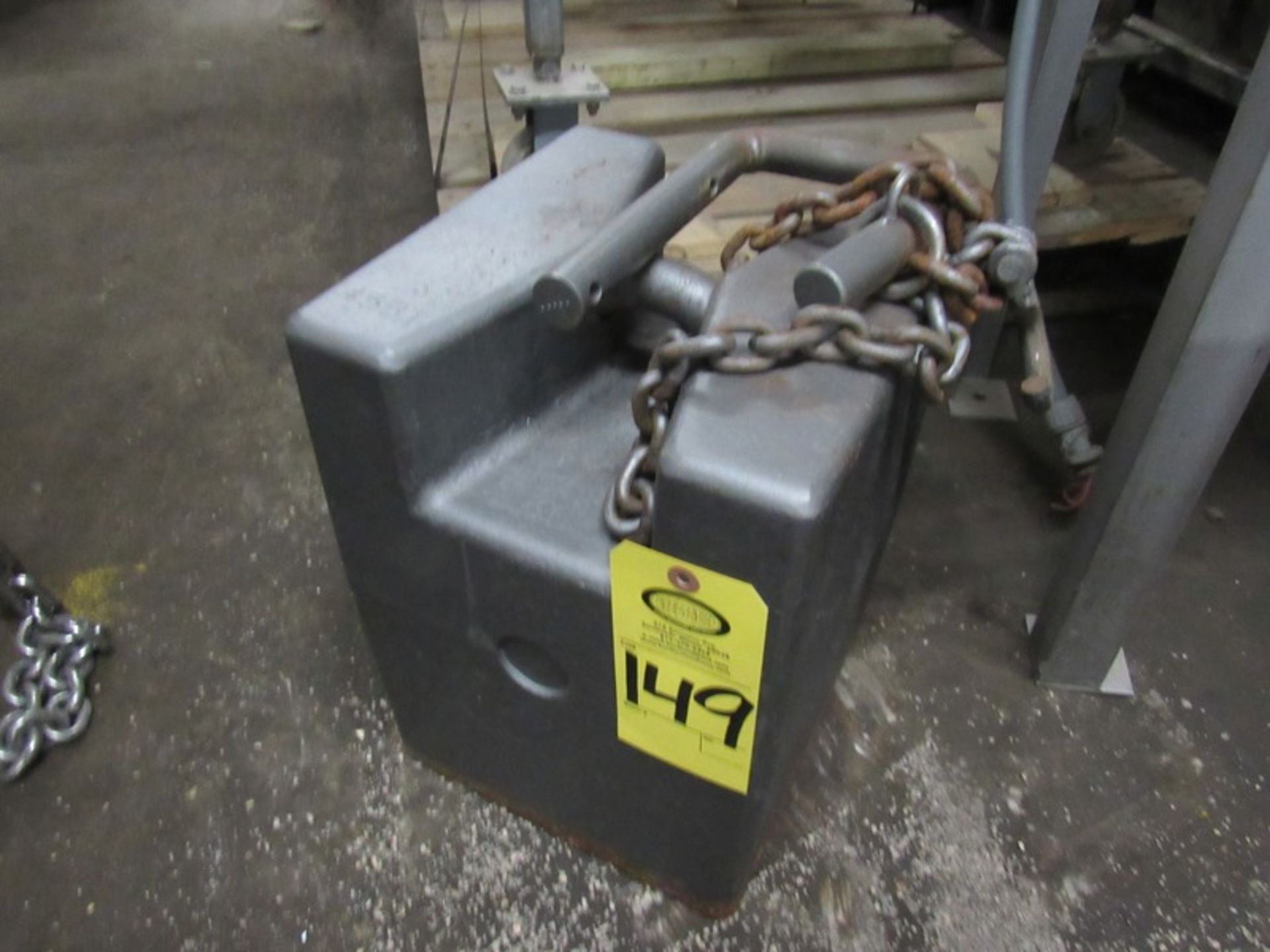
A cluttered workspace can lead to accidents. To promote a safe working environment, ensure that:
- The area around the scale is free of obstacles and debris.
- All necessary tools and materials are within reach to minimize movement.
- Warning signs are posted to alert employees about the presence of heavy equipment.
Case studies have shown that companies with organized workspaces report fewer accidents and increased productivity.
5. Personal Protective Equipment (PPE)
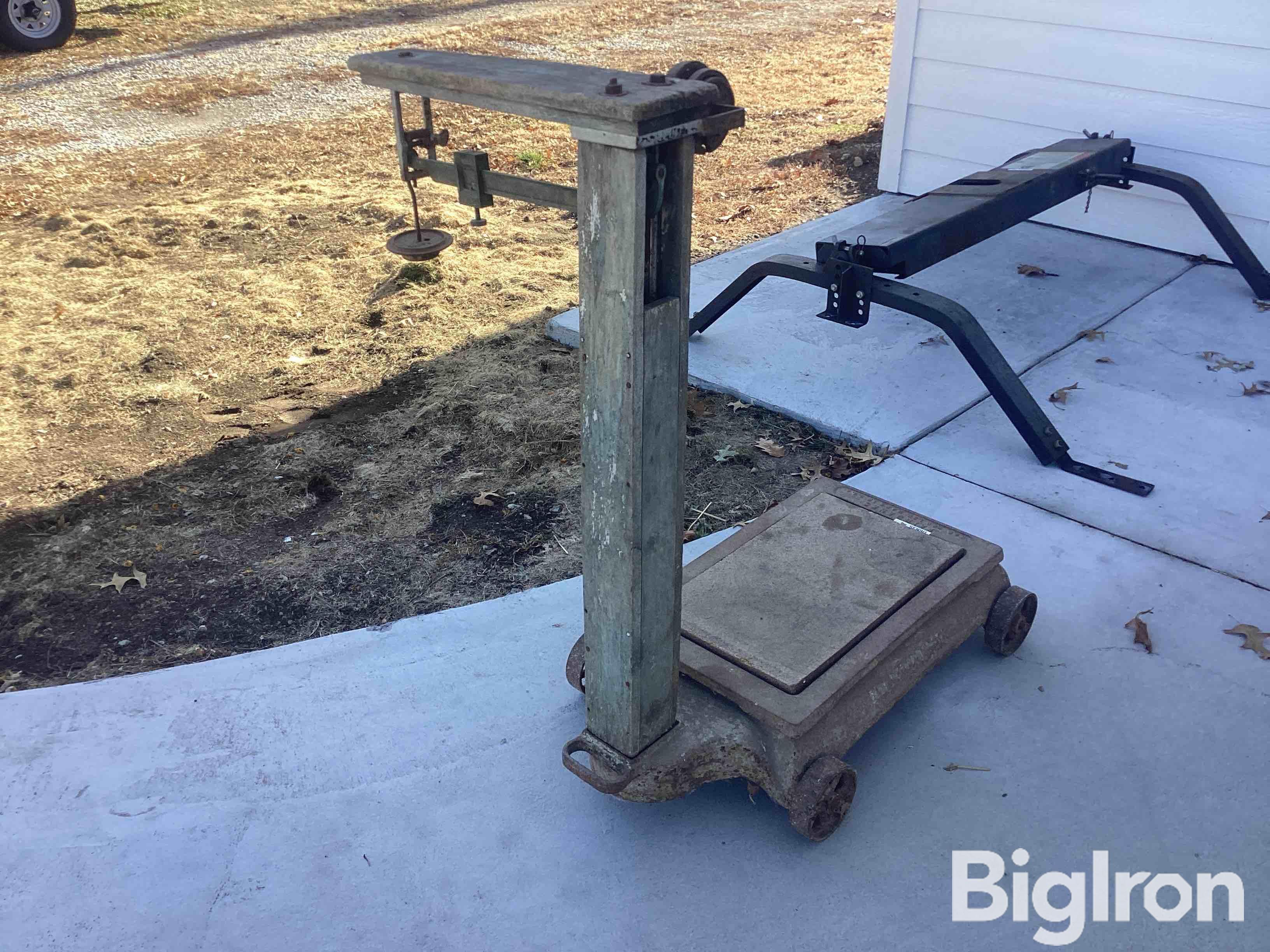
Wearing appropriate personal protective equipment can significantly reduce the risk of injury. Employees should be equipped with:
- Steel-toed boots to protect against crushing injuries
- Gloves for better grip and protection from sharp objects
- High-visibility vests to ensure they are seen by others in the workspace
Encouraging employees to wear PPE can foster a safety-first culture within the organization.
6. Emergency Preparedness
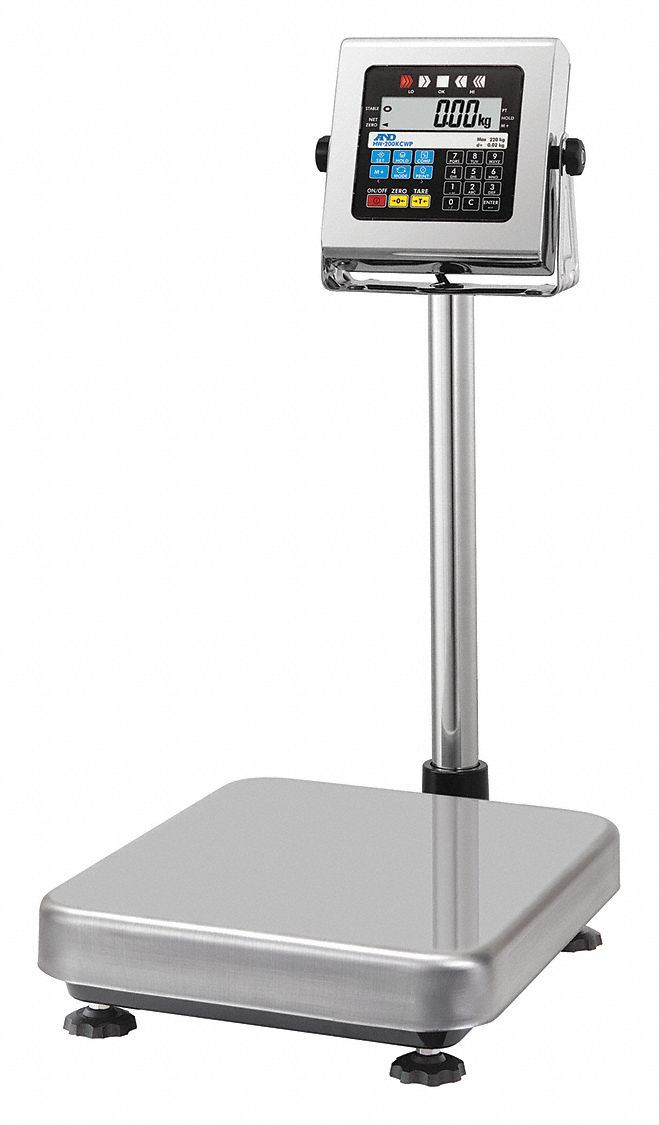
Despite best efforts, accidents can occur. Therefore, it is essential to have an emergency plan in place. Key components of an effective emergency plan include:
- Training employees on emergency protocols and evacuation routes
- Providing first-aid kits in accessible locations
- Regularly practicing emergency drills to ensure readiness
Statistics indicate that companies with established emergency protocols see a 30% decrease in workplace injuries.
Real-World Applications and Case Studies

The implementation of these safety tips has been proven beneficial in several industrial settings. For instance, a large warehouse in Ohio faced multiple accidents due to the improper use of their 500 lb scales. After conducting training sessions and regular maintenance checks, they reported a dramatic decrease in incidents. Within a year, their safety record improved by over 40%, showcasing the tangible benefits of prioritizing safety.
Using 500 lb scales in industrial settings is a necessary but potentially hazardous task. By adhering to safety practices such as providing proper training, conducting regular maintenance, employing the right handling techniques, maintaining a clear work environment, utilizing personal protective equipment, and preparing for emergencies, organizations can significantly reduce risks associated with scale usage. The commitment to safety not only protects employees but also enhances productivity and operational efficiency. Ultimately, a proactive approach to safety cultivates a secure workplace where employees feel valued and protected.