The Sonic Tapestry of *DAMN.* and the Vinyl Advantage
Kendrick Lamar’s *DAMN.* is more than just an album; it’s a sonic and thematic masterpiece. Released in 2017, it cemented Lamar’s position as one of the most vital voices in contemporary music, earning him a Pulitzer Prize for Music – a historic first for a non-classical, non-jazz album. *DAMN.* is a complex narrative, a spiritual journey, and a biting social commentary, all woven together with intricate production and Lamar’s unparalleled lyrical dexterity. While its digital iterations are readily accessible and widely consumed, there’s a growing movement, and indeed an argument, to be made that experiencing *DAMN.* on vinyl offers a fundamentally richer and more profound listening experience. This isn’t mere nostalgia; it’s a testament to the unique qualities of the analog format and how it can illuminate the nuances of an album as meticulously crafted as *DAMN.*
Understanding the Art of Listening in the Digital Age
In an era dominated by streaming services and compressed audio files, the act of listening has, for many, become a passive activity. We shuffle playlists, listen on earbuds during commutes, or treat music as background noise. This digital paradigm, while convenient, often strips away the intentionality and deep engagement that characterized earlier eras of music consumption. The art of listening, as it was once understood, involves focused attention, an appreciation for sonic detail, and an immersion in the artist’s intended sonic landscape. It’s about allowing the music to unfold, to reveal its textures, its subtleties, and its emotional core. This contrasts sharply with the often-fragmented, context-switching listening habits fostered by digital platforms.
The Erosion of Active Listening

Several factors contribute to the decline of active listening:
- Ubiquity of Streaming: Constant access to vast music libraries can lead to a feeling of disposability, encouraging quick sampling rather than deep dives.
- Algorithmic Curation: Recommendation algorithms, while useful, can sometimes create echo chambers, limiting discovery and encouraging passive consumption of familiar sounds.
- Compressed Audio Quality: The high compression rates used for streaming and MP3s significantly reduce dynamic range and detail, akin to looking at a faded photograph compared to a vibrant print.
- Distraction Culture: The constant connectivity of smartphones and the multitasking nature of modern life often prevent dedicated listening sessions.
According to a 2020 study by the Pew Research Center, while music streaming is the dominant mode of music consumption, a significant portion of users still report experiencing music loss due to compression, highlighting the trade-off between accessibility and fidelity.
Vinyl: A Return to Intentionality and Sonic Purity
The resurgence of vinyl, often viewed through a lens of nostalgia, is in fact a powerful counter-movement to the passive listening habits of the digital age. Vinyl, at its core, demands intentionality. The ritual of selecting a record, carefully placing it on the turntable, and dropping the needle creates a deliberate act of engagement. This ritual itself primes the listener for a more focused experience, preparing them to absorb the music on its own terms.
The Unique Sonic Characteristics of Vinyl
Beyond the ritual, vinyl possesses inherent sonic qualities that digital formats often struggle to replicate:
- Uncompressed Audio: Vinyl records capture audio in its analog form, meaning the sound waves are directly etched into the grooves. This results in a wider dynamic range, richer bass response, and a more natural, warm sound profile compared to the inherently digital, and often compressed, sound of streaming.
- Warmth and Presence: The analog nature of vinyl imparts a characteristic “warmth” to the sound. This is often attributed to the harmonic distortion introduced by the analog playback process, which can add a pleasing richness and depth that digital audio can sometimes lack.
- Tangibility and Artwork: Vinyl records are physical objects with large-format album art that encourages engagement with the visual aspect of the music. This tangibility fosters a deeper connection to the artist’s vision.
- Dynamic Range: Unlike compressed digital files, vinyl can preserve the full dynamic range of a recording, allowing for subtle shifts in volume and intensity to be heard and felt. This is crucial for albums that utilize dramatic shifts in dynamics to convey emotion and narrative.
A study published in the *Journal of the Acoustical Society of America* has shown that listeners often perceive analog audio as having greater fidelity and emotional impact, even when technical measurements might suggest otherwise, underscoring the psychological and experiential benefits of analog playback.
Deconstructing *DAMN.* Through a Vinyl Lens

Kendrick Lamar’s *DAMN.* is a prime candidate for the vinyl treatment due to its dense production, intricate layering, and the emotional weight of its narrative. The album is a sonic tapestry, with each track meticulously crafted to contribute to the overarching themes of faith, doubt, temptation, and self-discovery. Listening to *DAMN.* on vinyl allows these elements to breathe and resonate with a clarity that can be obscured in digital formats.
The Opening Statement: “Blood.” and “DNA.”
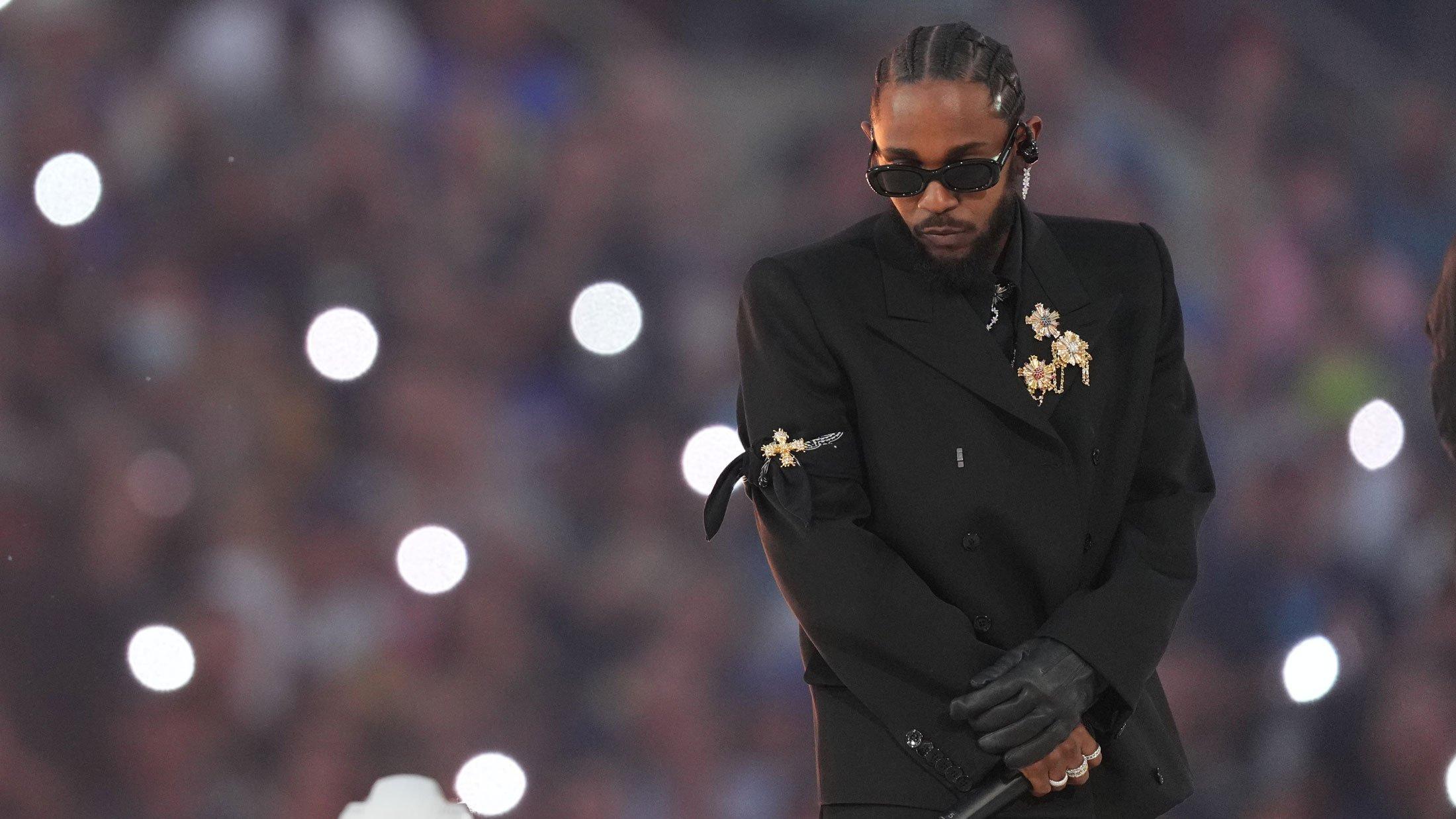
The album’s opening sequence, “Blood.” and “DNA.,” serves as an immediate example. “Blood.” is a spoken-word interlude, laden with atmospheric sound design and vocal manipulation. On vinyl, the subtle crackles and pops that might otherwise be considered flaws become part of the texture, adding to the sense of raw vulnerability and introspection. When the aggressive, bass-heavy opening of “DNA.” kicks in, the uncompressed dynamics of vinyl allow the sub-bass frequencies to rumble through with a visceral impact that a compressed digital file simply cannot replicate. The intricate percussive elements, the layered vocal samples, and the sheer power of Lamar’s delivery are given room to expand, creating a more immersive and physically felt experience.
The Nuances of “Loyalty.” and “Pride.”
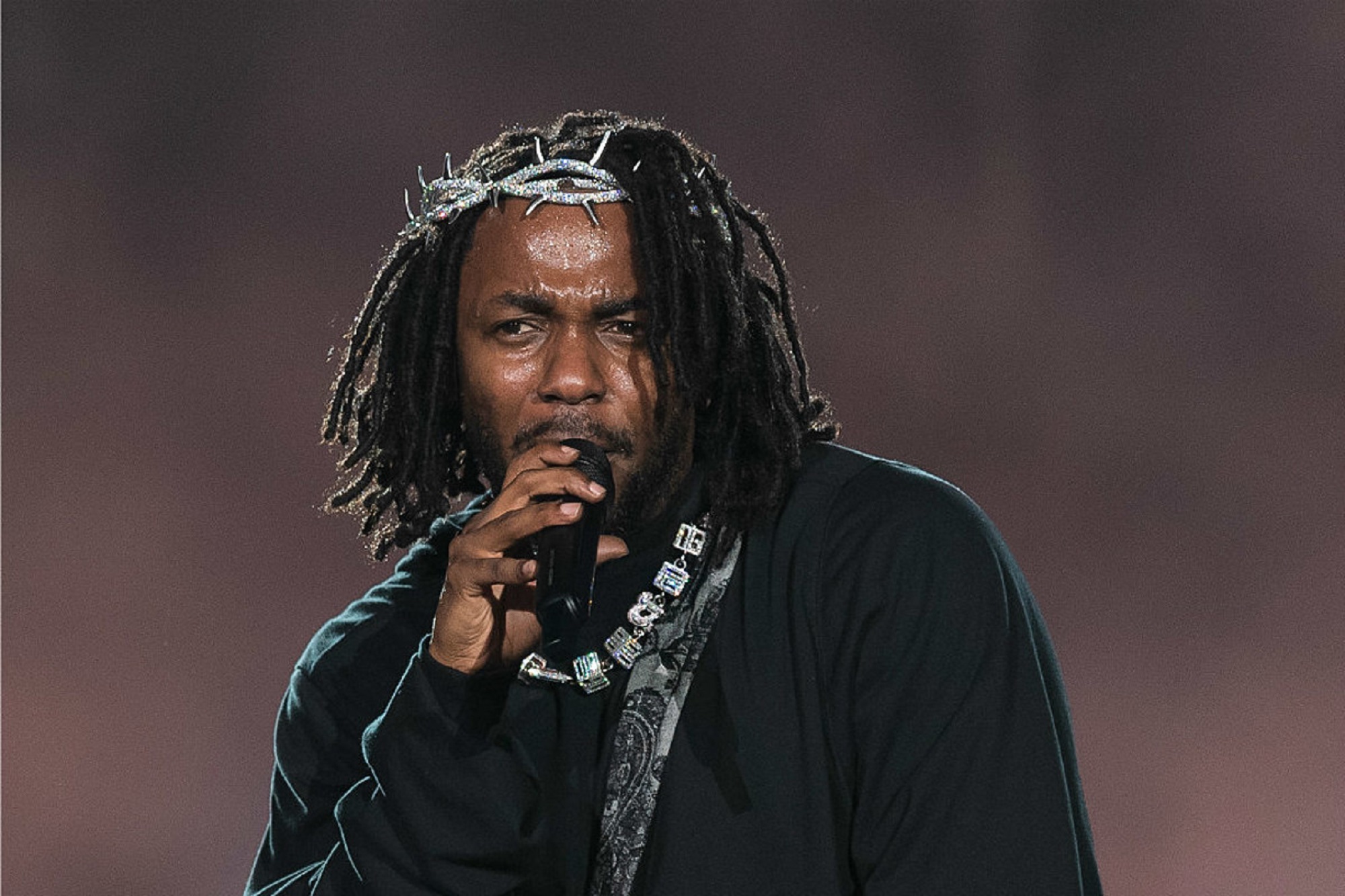
Tracks like “Loyalty.” featuring Rihanna, with its shifting tempos and intricate instrumental passages, reveal new depths on vinyl. The interplay between the driving bassline, the shimmering synths, and the vocal harmonies is more distinct. The subtle sonic details, the whispers, the ambient textures, which contribute to the song’s sense of restless energy, are more apparent. Similarly, “Pride.” with its introspective lyrics and soaring, almost gospel-like chorus, benefits from the warmth of analog playback. The emotional swell of the vocals and the expansive instrumentation feel more organic and resonant, drawing the listener deeper into Lamar’s internal struggle.
The Thematic Resonance in “Humble.” and “Lust.”
“Humble.” is a track that became a cultural phenomenon, and its driving beat is iconic. On vinyl, the rhythmic precision and the punch of the kick drum are more pronounced. The subtle vocal ad-libs and the production flourishes are more clearly delineated, adding to the track’s undeniable swagger. “Lust.” with its hypnotic, almost psychedelic production, showcases how vinyl can enhance atmospheric elements. The swirling synthesizers, the distorted vocals, and the percussive intricacies are presented with a clarity that allows the listener to get lost in the song’s intoxicating haze. The gradual build-up and release of tension within the track are more palpable, offering a more profound sense of immersion in Lamar’s exploration of temptation.
The Weight of “Dukkha” and “Fear.”
The album’s more introspective and somber tracks, such as “Dukkha” and “Fear.,” also gain significant depth on vinyl. The raw emotion in Lamar’s voice, the delicate piano melodies, and the subtle background textures are rendered with a fidelity that allows the listener to connect with the weight of his lyrical content. The sense of isolation and internal conflict conveyed in these tracks is amplified by the unfiltered, natural sound of analog playback. The pauses between notes, the decay of instruments – these seemingly small details contribute to the overall emotional impact, creating a more profound sense of empathy with Lamar’s personal journey.
The Case Study of *DAMN.*: A Personal Transformation
Many listeners who have experienced *DAMN.* both digitally and on vinyl report a transformative shift in their appreciation of the album. Anecdotal evidence, coupled with the inherent sonic advantages of vinyl, paints a clear picture. For instance, a prominent music journalist, known for his critical analysis of hip-hop, recounted how listening to *DAMN.* on a high-quality turntable revealed layers of sonic detail and emotional nuance he had previously overlooked. He described it as hearing the album for the “first time,” a testament to the power of the analog format to unlock hidden dimensions within a familiar work.
Beyond the Sound: The Ritual and Connection
The experience of listening to *DAMN.* on vinyl extends beyond the purely sonic. It’s about the intentional act of dedicating time and attention to the music. It’s about the physical interaction with the artwork and the record itself. This ritual fosters a deeper connection to the album, transforming it from a collection of songs into a curated experience. In a world of fleeting digital interactions, this tangible connection offers a welcome sense of grounding and appreciation.
Reclaiming the Listening Experience

The vinyl revival is not just about sound quality; it’s about reclaiming the act of listening as an art form. It’s about choosing to engage with music on a deeper level, to savor its intricacies, and to be fully present in the moment. For an album as rich and layered as Kendrick Lamar’s *DAMN.*, this intentional, focused approach to listening can unlock a new level of appreciation and understanding.
The Enduring Power of Analog

Kendrick Lamar’s *DAMN.* is a testament to the power of sonic storytelling. While its digital availability has democratized access, the experience of listening to this monumental album on vinyl offers a unique and compelling advantage. The uncompressed audio, the natural warmth, and the very ritual of analog playback work in concert to reveal the album’s intricate production, emotional depth, and thematic complexity with a clarity and impact that digital formats often struggle to match. In an age of fleeting digital consumption, the art of listening, particularly through the enduring power of analog, allows us to engage with masterpieces like *DAMN.* in a way that is both profoundly enriching and deeply rewarding, transforming passive consumption into active, meaningful engagement.