Terracotta plates have been an integral part of Mexican culture for centuries. Renowned for their craftsmanship, vibrant colors, and cultural significance, these handmade plates are more than mere kitchenware; they are a celebration of tradition and artistry. In this article, we will explore the history, techniques, and cultural implications of Mexican terracotta plates, as well as their contemporary relevance in both Mexican and global contexts.
A Brief History of Terracotta in Mexico
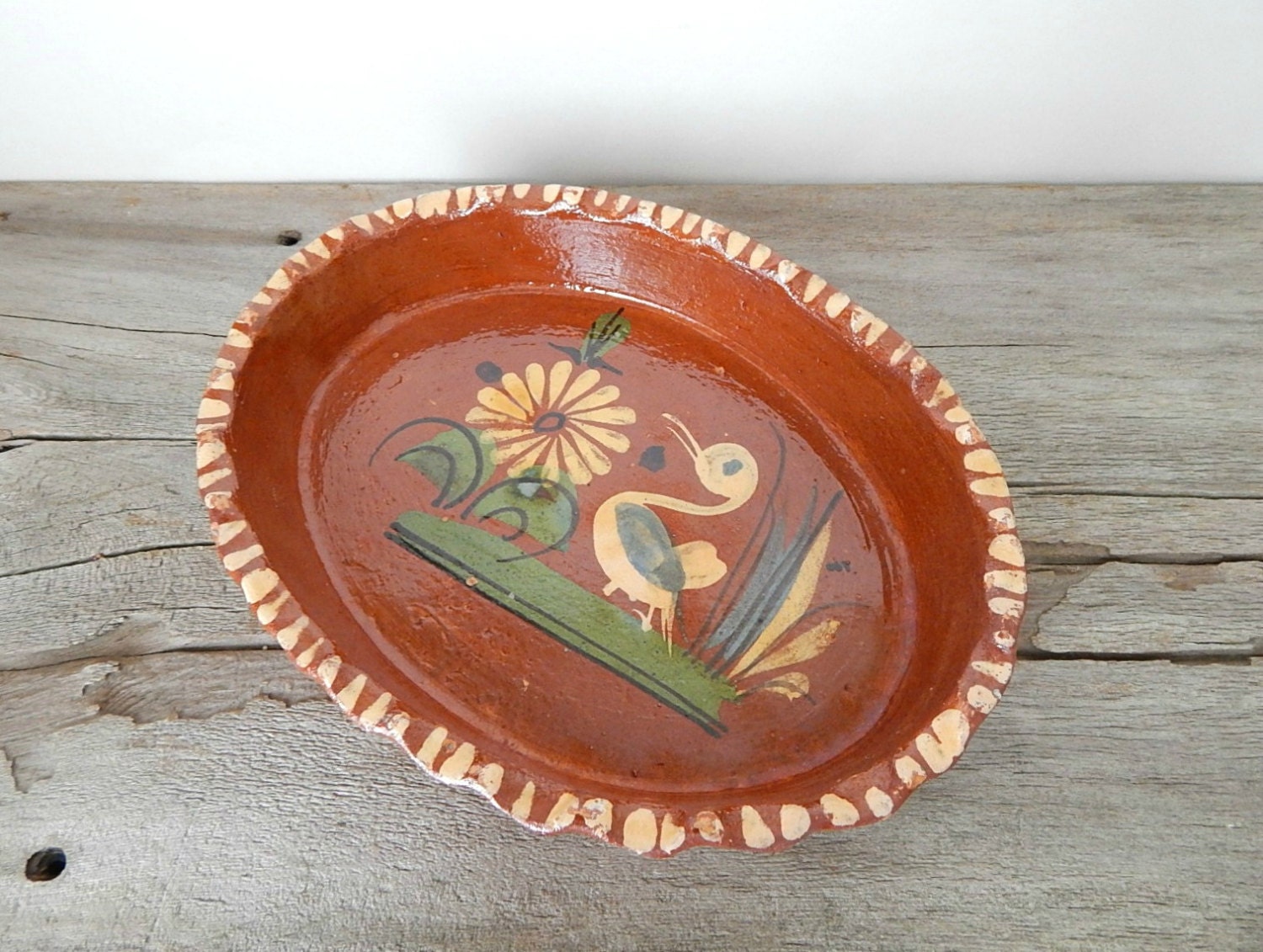
The tradition of using terracotta in Mexico dates back to pre-Columbian times. Various ancient civilizations, such as the Olmecs, Mayans, and Aztecs, utilized clay to create functional and decorative items. The use of terracotta plates became particularly prevalent during the Spanish colonial period, where indigenous techniques merged with European influences.
Pre-Columbian Origins
- Olmec Civilization (c. 1200-400 BCE): The Olmecs are known for their early advancements in pottery, using clay to create both utilitarian and ceremonial objects.
- Teotihuacan (c. 100 BCE-750 CE): This ancient city was famous for its large-scale pottery production, including plates that featured intricate designs.
- Aztec Empire (c. 1428-1521 CE): The Aztecs produced highly decorated plates, often painted with symbolic representations of their gods and nature.
These early civilizations laid the groundwork for the techniques and aesthetics that would flourish in later centuries.
The Craftsmanship Behind Terracotta Plates
Creating terracotta plates is an intricate process that requires skill, patience, and a deep understanding of materials. Artisans typically follow a series of steps that have been passed down through generations.
From Clay to Plate
- Selection of Clay: The process begins with the careful selection of clay, which is often sourced locally. Different types of clay yield varying colors and textures.
- Shaping the Plate: Artisans shape the clay using their hands or traditional tools. Techniques such as coiling or slab-building are common.
- Drying and Firing: Once shaped, the plates are left to dry before being fired in a kiln. This process solidifies the clay and enhances its durability.
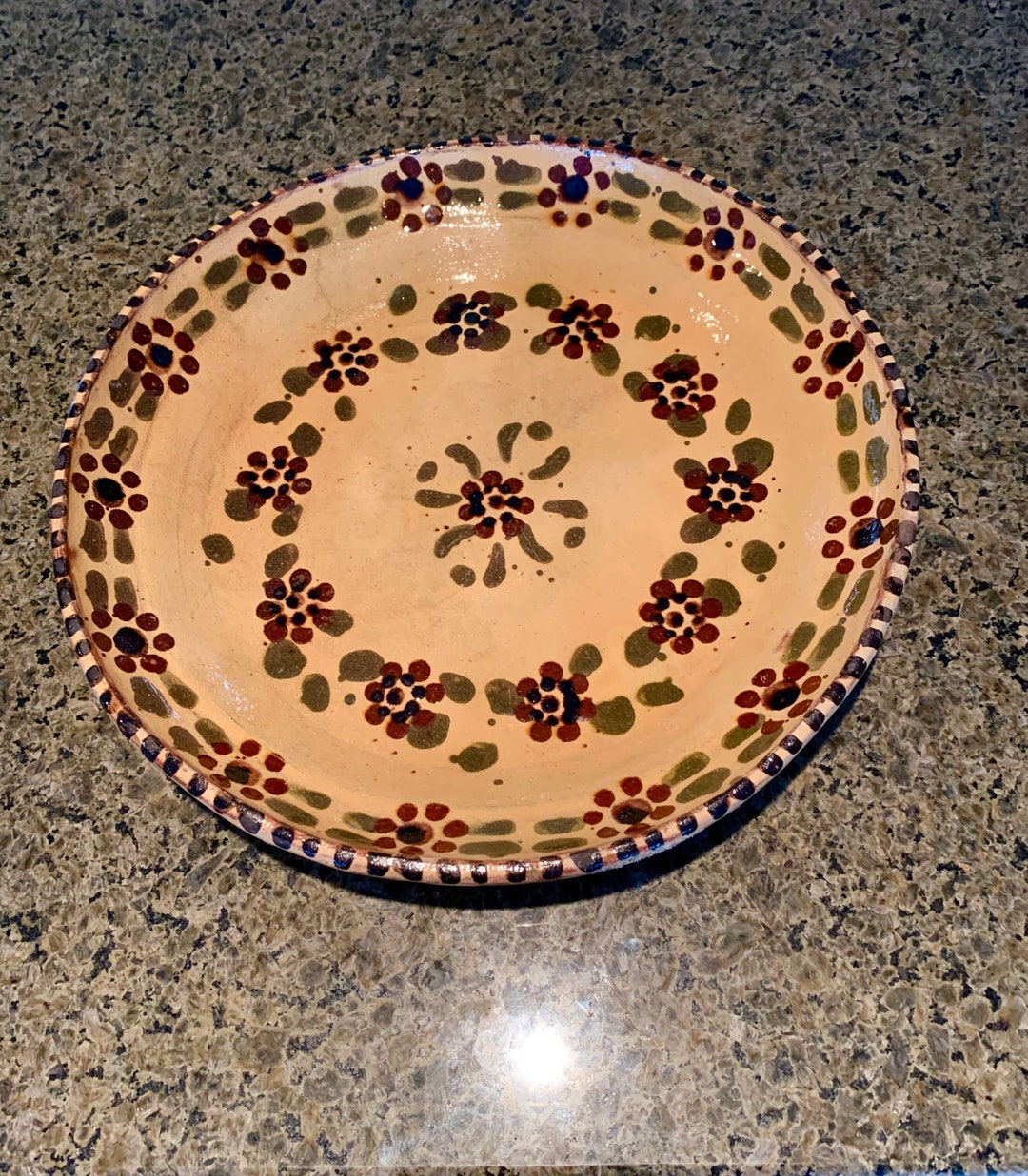
- Decoration: After firing, artisans often paint the plates using natural pigments. These colors are derived from minerals and plants, reflecting the vibrant landscape of Mexico.
- Second Firing: The decorated plates may undergo a second firing to set the colors and add a glossy finish.
Tools and Techniques
The tools used in creating terracotta plates can be quite simple yet effective. Common tools include:
- Potter’s wheel for shaping
- Wooden paddles for smoothing
- Carving tools for intricate designs
Artisans often use techniques such as slip trailing, where a liquid clay mixture is applied to the surface, allowing for detailed designs. The choice of technique can vary by region, showcasing the diversity of Mexican pottery.
Cultural Significance of Terracotta Plates
Terracotta plates hold profound cultural significance in Mexico. They are not only functional items but also symbols of heritage and identity.
A Reflection of Identity
Each region of Mexico has its distinctive style of terracotta plates, reflecting local traditions, historical influences, and natural resources. For example:
- Oaxacan Pottery: Known for its colorful designs and intricate motifs inspired by nature and indigenous folklore.
- Puebla Talavera: Distinguished by its blue and white patterns, often incorporating Spanish influences.
- Mexican Folk Art: Many plates feature folk art designs, which tell stories and celebrate community life.
Terracotta in Daily Life
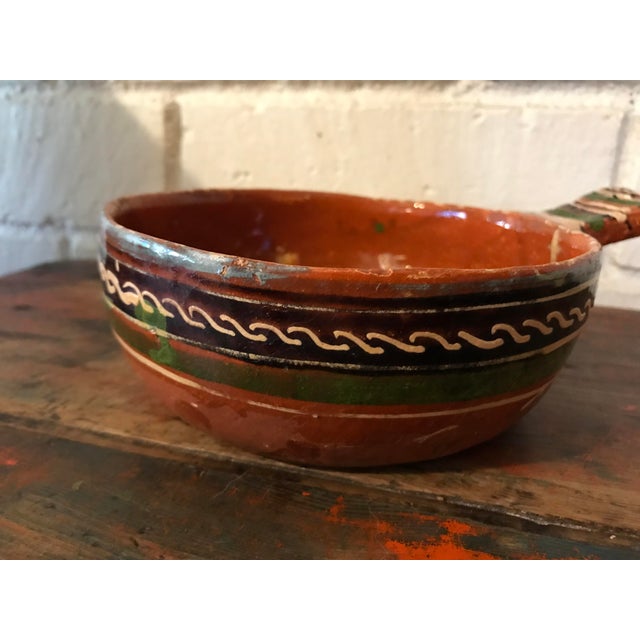
In Mexican households, terracotta plates are commonly used in everyday life, often serving traditional dishes such as mole, tamales, and enchiladas. Their ability to retain heat makes them ideal for serving hot meals.
Contemporary Relevance and Global Appeal

In recent years, the appeal of terracotta plates has extended beyond Mexico’s borders. As global interest in artisan crafts grows, these plates have found a place in international markets and homes. Several factors contribute to this trend:
Artisan Empowerment
Many cooperatives and organizations have emerged to support artisans in Mexico, helping them market their products to a broader audience. These initiatives often focus on:
- Providing fair wages and sustainable working conditions
- Preserving traditional techniques while encouraging innovation
- Creating awareness about the cultural significance of terracotta plates
Design Trends
The aesthetic appeal of terracotta plates has also caught the eye of designers and decorators worldwide. They are often integrated into modern homes as decorative items or used for serving food at gatherings. Their unique textures and colors add a rustic charm that resonates with contemporary design trends.
Challenges Facing the Tradition

Despite the growing popularity of terracotta plates, several challenges threaten this age-old tradition:
- Environmental Concerns: The sourcing of clay and wood for kilns can lead to environmental degradation if not managed sustainably.
- Market Competition: Mass-produced ceramics often overshadow handmade items, posing a threat to traditional artisans.
- Cultural Erosion: As globalization spreads, the unique cultural identities tied to regional pottery styles could be diluted.
Preserving the Craft
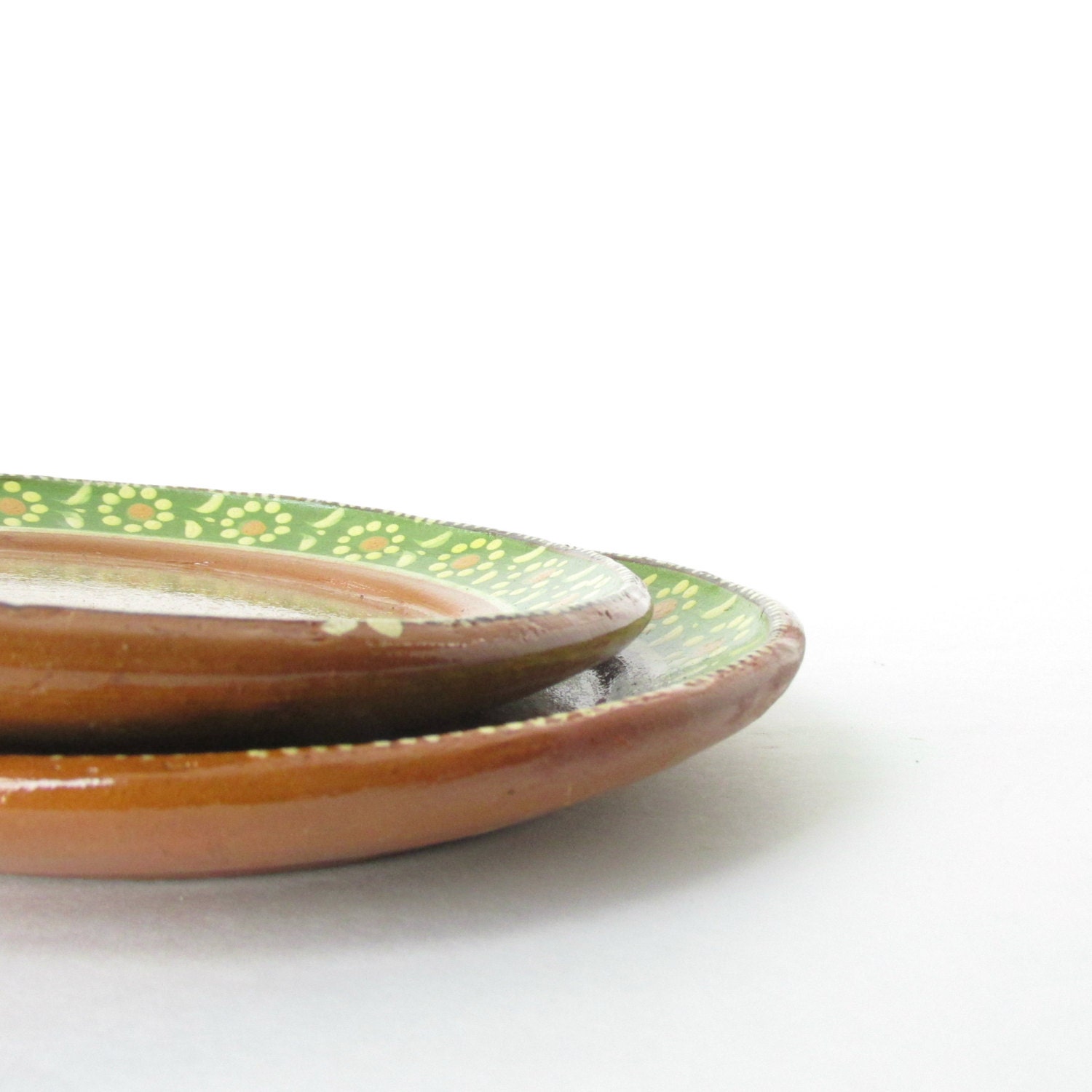
Efforts are underway to address these challenges and ensure the survival of the terracotta plate tradition. Initiatives include:
- Promoting eco-friendly materials and practices among artisans
- Encouraging younger generations to engage in pottery-making
- Creating educational programs that highlight the cultural significance of terracotta plates
The art of Mexican terracotta plates is a timeless tradition that encapsulates the rich cultural heritage of Mexico. From their historical roots to their contemporary relevance, these plates are more than just functional items; they are a testament to the artistry and craftsmanship of the artisans who create them. By understanding their significance and supporting the artisans behind them, we can help preserve this beautiful tradition for future generations. The journey of a terracotta plate—from clay to a cherished piece in our homes—reminds us of the importance of cultural heritage in a rapidly changing world.