In the ever-growing pursuit of sustainable and organic gardening practices, gardeners are constantly seeking innovative solutions that nurture both their plants and the planet. While chemical fertilizers have long dominated the market, a growing awareness of their environmental drawbacks has led to a resurgence of interest in natural alternatives. Among these, seaweed kelp fertilizer stands out as a potent, eco-friendly powerhouse, offering a wealth of benefits that can transform ordinary gardens into thriving, resilient ecosystems.
What is Seaweed Kelp Fertilizer?
Seaweed kelp fertilizer is derived from various species of large brown algae, commonly known as kelp, which grow abundantly in nutrient-rich ocean waters. These marine plants are harvested sustainably, then processed through drying, grinding, and sometimes extraction methods to create a nutrient-rich product. The resulting fertilizer is a complex matrix of macro and micronutrients, plant hormones, amino acids, and beneficial microorganisms, all of which contribute to its remarkable efficacy.
A Nutrient-Rich Elixir for Plant Health
One of the primary benefits of seaweed kelp fertilizer lies in its comprehensive nutritional profile. Unlike synthetic fertilizers that often focus on a few key elements, kelp provides a broad spectrum of essential nutrients that plants need for optimal growth and development. This includes:
- Macronutrients: Nitrogen (N), Phosphorus (P), and Potassium (K) in balanced proportions, crucial for overall plant vigor, root development, and flowering.
- Micronutrients: Essential trace elements such as iron, zinc, manganese, copper, and boron, which play vital roles in enzyme activity, photosynthesis, and disease resistance.
- Vitamins and Amino Acids: These act as building blocks for proteins and enzymes, promoting healthy cell function and stress tolerance.
- Growth Hormones: Naturally occurring auxins, gibberellins, and cytokinins stimulate root growth, cell division, and overall plant development.
This holistic approach to plant nutrition ensures that plants receive everything they need to flourish, leading to more robust growth, increased yields, and improved produce quality.
Beyond Nutrition: The Multifaceted Advantages of Kelp Fertilizer

The benefits of seaweed kelp fertilizer extend far beyond its nutritional content. Its unique composition imparts a range of advantages that contribute significantly to sustainable gardening practices:
Enhancing Soil Health and Structure

Seaweed kelp fertilizer is a powerful soil amendment. Its complex carbohydrate compounds, particularly alginates, act as natural soil conditioners. When applied to the soil, these alginates:
- Improve Soil Structure: They help to bind soil particles together, creating larger aggregates. This improves aeration, water infiltration, and drainage, preventing compaction and making it easier for plant roots to penetrate.
- Increase Water Retention: The sponge-like nature of alginates allows the soil to retain moisture more effectively, reducing the need for frequent watering, especially in drier climates. This is particularly beneficial for drought-prone regions and contributes to water conservation efforts.
- Stimulate Microbial Activity: The organic compounds in kelp provide food for beneficial soil microorganisms, such as bacteria and fungi. These microbes play a crucial role in nutrient cycling, breaking down organic matter, and making nutrients more available to plants. A healthy soil microbiome is the foundation of a thriving garden.
Consider the case of a community garden in coastal California that struggled with sandy, fast-draining soil. After incorporating seaweed kelp fertilizer into their soil improvement program, volunteers observed a marked improvement in soil moisture retention and a reduction in soil erosion. Plants exhibited healthier root systems, and the overall need for irrigation decreased by an estimated 20%.
Boosting Plant Resilience and Disease Resistance

Kelp is a natural defense mechanism for the ocean’s inhabitants, and these protective qualities are transferred to plants when kelp fertilizer is applied. The unique compounds within kelp, such as mannitol and fucoidans, have been shown to:
- Strengthen Plant Cell Walls: This makes plants less susceptible to physical damage and invasion by pathogens.
- Stimulate Natural Defense Mechanisms: Kelp compounds can trigger plants to produce their own protective compounds, enhancing their ability to fight off diseases and pests.
- Improve Tolerance to Environmental Stress: Plants treated with kelp fertilizer often exhibit increased resilience to drought, frost, salinity, and other environmental stressors. This is a significant advantage in gardens facing unpredictable weather patterns due to climate change.
A study conducted by the University of Maine found that tomato plants treated with seaweed extract showed a significant reduction in the incidence of early blight, a common fungal disease. The researchers attributed this to the enhanced immune response of the plants stimulated by the kelp.
Promoting Vigorous Root Development
The auxins present in seaweed kelp fertilizer are instrumental in promoting robust root growth. Stronger root systems allow plants to:
- Access Nutrients and Water More Effectively: This leads to healthier, more productive plants.
- Anchor Themselves Firmly: This is crucial for larger plants and in areas prone to wind.
- Better Withstand Transplant Shock: Plants with well-developed root systems are more likely to establish themselves quickly after being transplanted.
Gardeners often report seeing noticeably larger and healthier root balls in seedlings and young plants treated with kelp fertilizer, a clear indicator of improved plant establishment and vigor.
Environmentally Friendly and Sustainable Choice
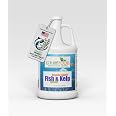
The environmental benefits of choosing seaweed kelp fertilizer are substantial:
- Renewable Resource: Kelp grows rapidly and can be harvested without depleting ocean ecosystems, especially when managed sustainably.
- Reduced Chemical Runoff: Unlike synthetic fertilizers, kelp fertilizer does not contribute to harmful nutrient runoff that can pollute waterways and damage aquatic life.
- Lower Carbon Footprint: The production of synthetic fertilizers is an energy-intensive process with a significant carbon footprint. Kelp harvesting and processing generally have a much lower environmental impact.
- Biodegradable: Kelp fertilizer is naturally biodegradable, enriching the soil over time rather than accumulating in the environment.
According to the Marine Biological Association, sustainable kelp farming can also help to de-acidify ocean waters and absorb excess carbon dioxide, further contributing to environmental health.
Incorporating Seaweed Kelp Fertilizer into Your Garden

Seaweed kelp fertilizer is available in various forms, making it easy to integrate into any gardening routine:
- Liquid Concentrates: These are the most common form and are typically diluted with water for foliar feeding or soil drenching.
- Granular Forms: These can be mixed directly into the soil or compost.
- Powdered Forms: Similar to granular, these can be dissolved in water or blended with soil.
Application rates will vary depending on the product and the specific needs of your plants, so always follow the manufacturer’s instructions. Generally, kelp fertilizer can be applied:
- As a soil amendment before planting.
- As a regular foliar spray during the growing season.
- As a soil drench around the base of plants.
For example, a tomato gardener might choose to use a granular kelp fertilizer mixed into the soil at planting, followed by bi-weekly foliar sprays of liquid kelp concentrate throughout the fruiting season to promote better fruit set and disease resistance.
Cultivating a Greener Tomorrow, One Kelp Bloom at a Time

Seaweed kelp fertilizer is more than just a plant nutrient; it is a cornerstone of sustainable gardening. Its rich nutritional profile, coupled with its ability to improve soil health, enhance plant resilience, and promote vigorous growth, makes it an invaluable tool for any gardener committed to organic and eco-conscious practices. By embracing the power of this emerald tide, gardeners can cultivate not only healthier, more productive plants but also contribute to a healthier planet for generations to come. From boosting yields to fortifying plants against disease and reducing our environmental footprint, seaweed kelp fertilizer offers a compelling and effective path towards a greener, more sustainable gardening future.