Floating shelves have become a popular choice for modern kitchens, providing both functionality and aesthetic appeal. They offer a sleek look while maximizing storage space, making them an ideal solution for contemporary renovations. However, selecting the right type of wood for floating shelves is crucial for ensuring durability, style, and overall effectiveness. This article will explore the best types of wood for floating shelves, providing insights and guidelines for your kitchen renovation project.
Understanding Floating Shelves
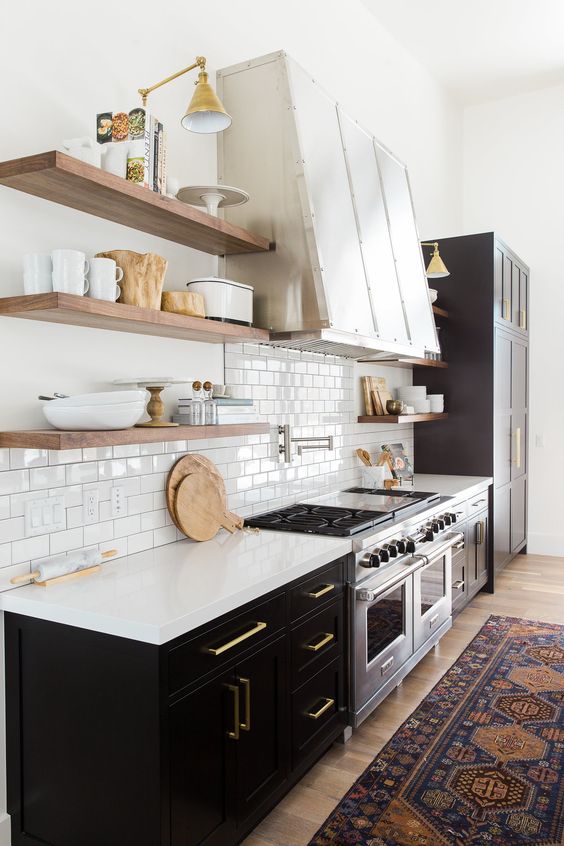
Before diving into the types of wood suitable for floating shelves, it’s important to understand what floating shelves are. Floating shelves do not have visible brackets, creating the illusion that they are “floating” on the wall. This design enhances the visual space in a kitchen, making it feel more open and inviting.
Factors to Consider When Choosing Wood for Floating Shelves

When selecting the best wood for floating shelves, several factors come into play:
- Weight Capacity: The wood must be strong enough to hold kitchen items without sagging.
- Durability: Kitchen shelves need to withstand heat, moisture, and daily wear.
- Aesthetic Appeal: The wood should complement your kitchen’s design and color scheme.
- Cost: Different woods come with various price points, affecting your budget.
- Ease of Maintenance: Some woods require more care than others to keep them looking great.
Top Types of Wood for Floating Shelves
Here are some of the best types of wood to consider for your floating shelves:
1. Oak

Oak is a classic choice and is known for its strength and durability. It is available in two main varieties: red oak and white oak.
- Strength: Oak has excellent load-bearing capacity, making it ideal for heavy kitchen items.
- Grain Pattern: Its prominent grain patterns add character and warmth to any kitchen.
- Resistance: Oak is resistant to moisture and heat, making it suitable for kitchen environments.
Case Study: A recent kitchen renovation featured oak floating shelves that complemented a rustic theme. The shelves not only enhanced the aesthetic but also showcased the strength of oak, holding heavy cookware and books without issue.
2. Maple
Maple is another popular wood choice, renowned for its fine and consistent grain. It offers a smooth surface that can be stained or left natural.
- Stability: Maple is less likely to warp or split, ensuring long-lasting shelves.
- Light Color: Its light color can brighten up a kitchen and works well with various design schemes.
- Versatility: Maple can be easily painted or stained to match your kitchen’s decor.
Statistics: According to a survey by the National Kitchen and Bath Association, 30% of homeowners prefer light-colored wood for floating shelves, making maple an excellent choice for this demographic.
3. Walnut
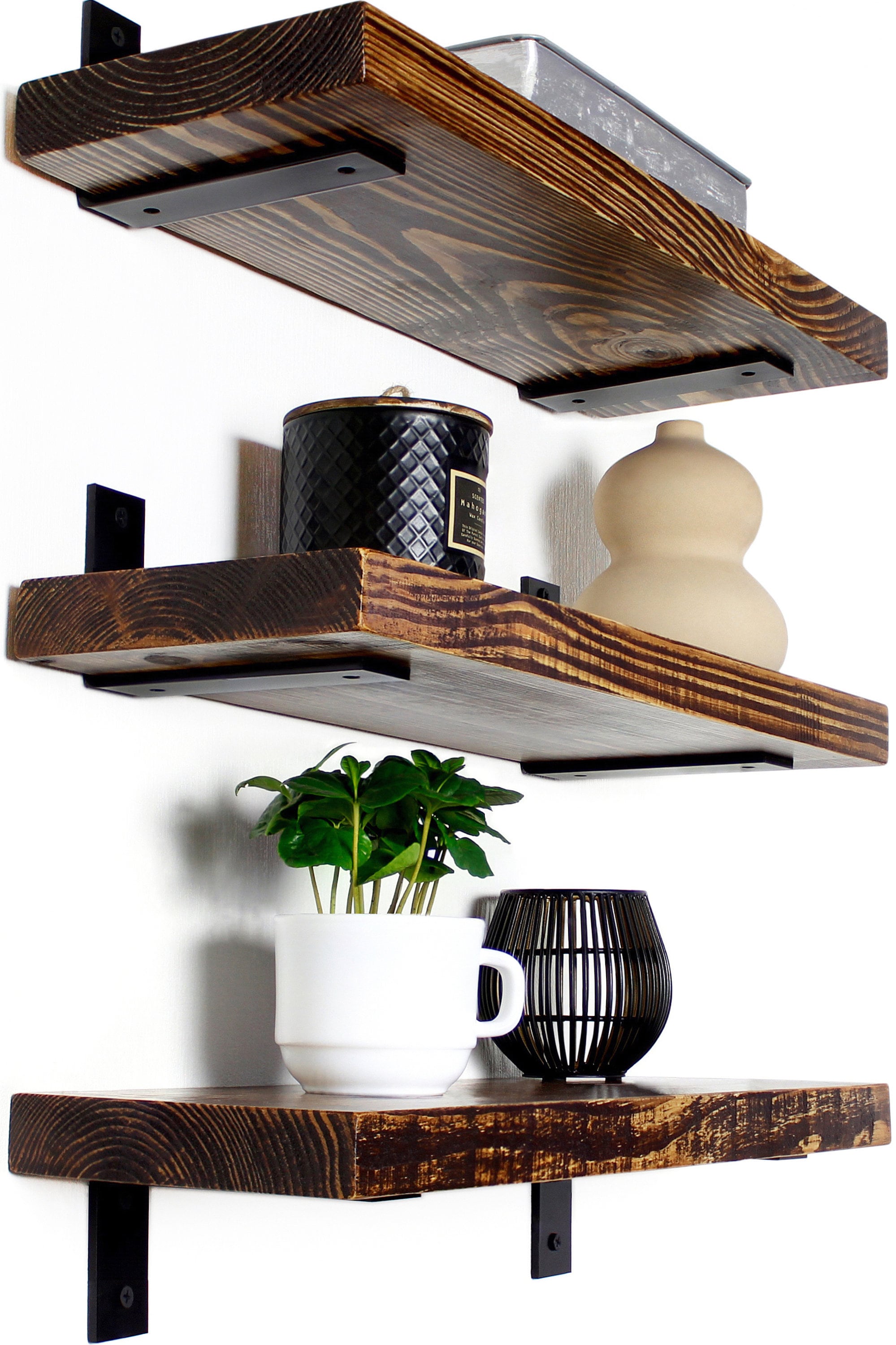
Walnut is prized for its rich, dark tones and stunning grain patterns. It adds a touch of luxury to any kitchen.
- Visual Appeal: The dark wood creates a striking contrast against lighter kitchen elements.
- Durability: Walnut is tough and resists scratches and dents, making it ideal for everyday use.
- Unique Grain: Each piece of walnut has a unique grain pattern, ensuring that no two shelves are the same.
Case Study: In a modern kitchen with white cabinetry, walnut floating shelves served as a focal point, drawing attention and adding elegance to the space.
4. Birch

Birch is a less expensive option that still offers great quality. It has a fine grain and smooth finish.
- Affordability: Birch is often more budget-friendly compared to other hardwoods.
- Light Color: Its pale hue works well in minimalist and contemporary designs.
- Easy to Work With: Birch is relatively easy to cut and shape, making it a favorite among DIYers.
Example: A DIY enthusiast used birch for floating shelves in a small kitchen, allowing for a cost-effective solution that maximized space without compromising style.
5. Pine
Pine is a softwood that is widely used for floating shelves, especially in casual or rustic kitchens. It is lightweight and easy to work with.
- Cost-Effective: Pine is one of the most affordable wood options available.
- Rustic Charm: It offers a warm, rustic look that fits well in country-style kitchens.
- Easy to Stain: Pine readily accepts stains, allowing you to customize its appearance.
Statistics: According to home improvement blogs, 45% of homeowners opt for pine in their kitchen renovations due to its low cost and appealing aesthetics.
Maintaining Your Floating Shelves

After selecting the right type of wood for your floating shelves, maintenance becomes essential to ensure longevity. Here are some tips:
- Regular Cleaning: Wipe down shelves with a damp cloth to remove dust and spills.
- Use Coasters: Protect the surface from moisture and heat by using coasters for hot pots and cups.
- Reapply Finish: Depending on the wood type, reapply protective finishes every few years to maintain appearance and durability.
- Avoid Harsh Chemicals: Use mild cleaners to prevent damage to the wood.
Choosing the right type of wood for floating shelves in your kitchen renovation is crucial for achieving a balance between style, functionality, and durability. Options like oak, maple, walnut, birch, and pine each offer unique benefits that can cater to various design preferences and budgets. By considering factors such as weight capacity, durability, aesthetic appeal, and maintenance, you can make an informed decision that enhances your kitchen space.
Ultimately, floating shelves can transform your kitchen into a stylish and organized area. Whether you prefer the rustic charm of pine or the luxurious appeal of walnut, the right wood can make all the difference in your renovation journey. So go ahead, choose your wood wisely, and enjoy the beauty and practicality of floating shelves in your kitchen!