Ficus plants, known for their lush foliage and adaptability, have become a staple in many homes and offices. As a first-time buyer, navigating the world of Ficus plants can be overwhelming due to the various species, care requirements, and aesthetic choices. This guide aims to simplify your purchasing decision, providing you with valuable insights, tips, and information to ensure a successful experience in welcoming Ficus plants into your space.
Understanding Ficus Plants
Ficus is a genus of about 850 species of trees, shrubs, and vines in the Moraceae family. They are native to tropical and subtropical regions, making them popular choices for indoor gardening. Among the most common Ficus species are:
- Ficus elastica (Rubber Plant): Known for its glossy leaves and ability to tolerate low light.
- Ficus lyrata (Fiddle Leaf Fig): Recognized for its large, violin-shaped leaves and trendy appearance.
- Ficus benjamina (Weeping Fig): A popular choice for its graceful, drooping branches and small leaves.
- Ficus pumila (Creeping Fig): Ideal for vertical gardens and indoor walls, with small, heart-shaped leaves.
Why Choose Ficus Plants?
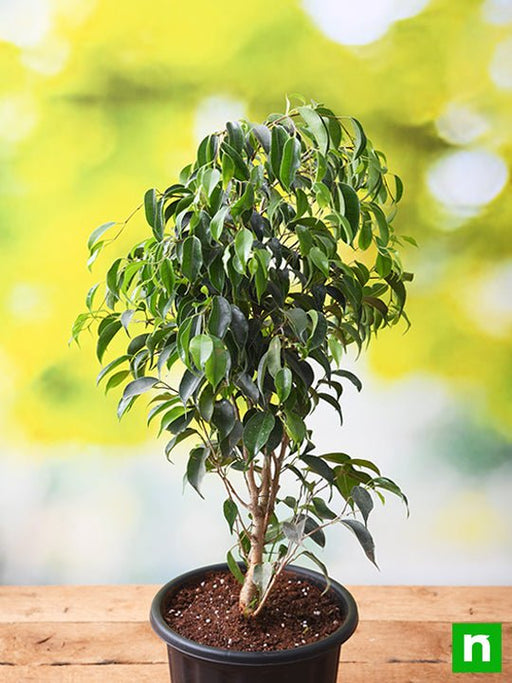
Ficus plants offer numerous benefits that make them appealing for indoor environments:
- Aesthetic Appeal: Their diverse leaf shapes and colors can enhance any décor.
- Air Purification: Many Ficus species are known to improve indoor air quality by filtering toxins.
- Low Maintenance: Most varieties are relatively easy to care for, making them ideal for beginners.
Factors to Consider When Buying Ficus Plants
Before purchasing a Ficus plant, it’s essential to consider several factors to ensure you choose the right one for your lifestyle and environment.
1. Space Requirements
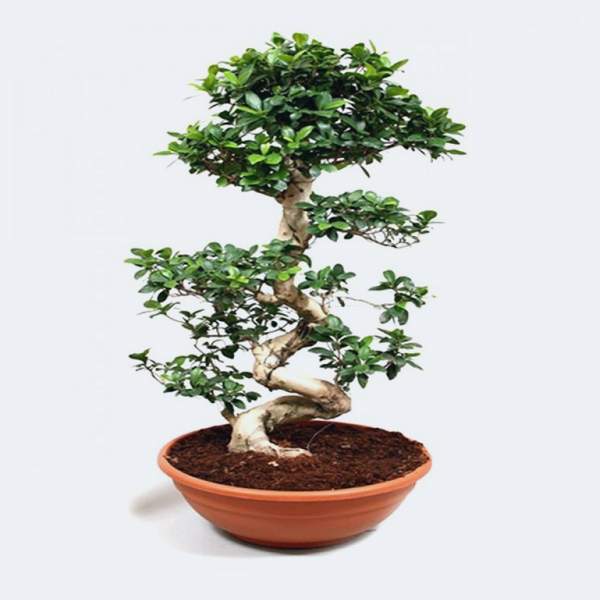
Ficus plants come in various sizes, so it’s crucial to assess the space you have available:
- Small Spaces: Consider a Ficus pumila or a small Rubber Plant for limited areas.
- Larger Spaces: Fiddle Leaf Figs or Weeping Figs can make a striking statement in larger rooms.
2. Light Conditions
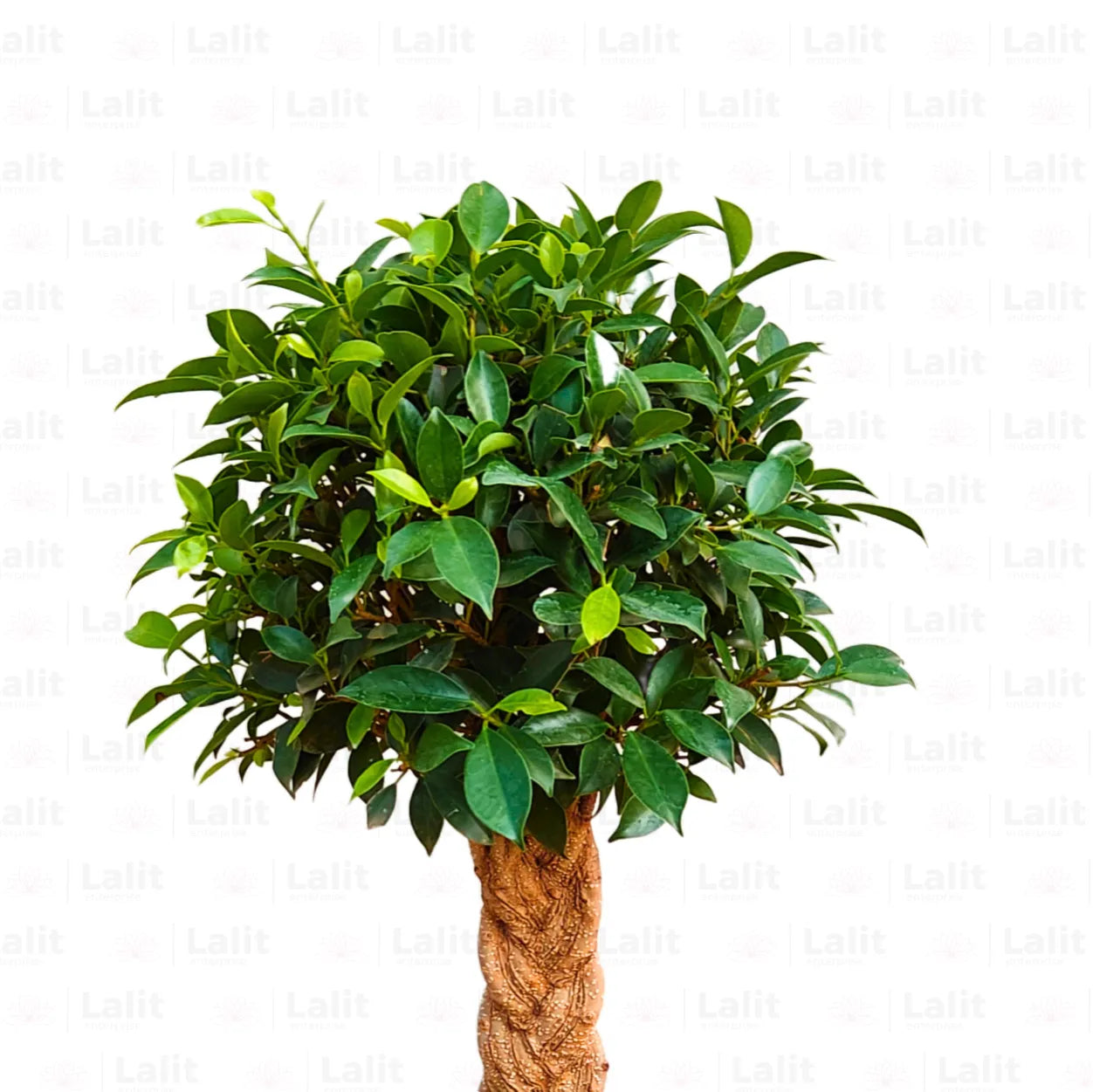
Ficus plants have different light requirements:
- Bright Indirect Light: Most Ficus plants thrive in bright, indirect sunlight, such as the Fiddle Leaf Fig.
- Low Light Tolerance: Rubber Plants can tolerate lower light conditions, making them versatile for various settings.
3. Humidity and Temperature
Ficus plants prefer moderate to high humidity levels:
- Humidity: For optimal growth, consider using a humidifier or placing a tray of water near the plant.
- Temperature: Ficus plants generally prefer temperatures between 60°F and 75°F (15°C to 24°C).
Where to Buy Ficus Plants
When looking to buy Ficus plants, you have several options:
- Local Nurseries: Visiting a local nursery allows you to inspect the plants’ health and get advice from knowledgeable staff.
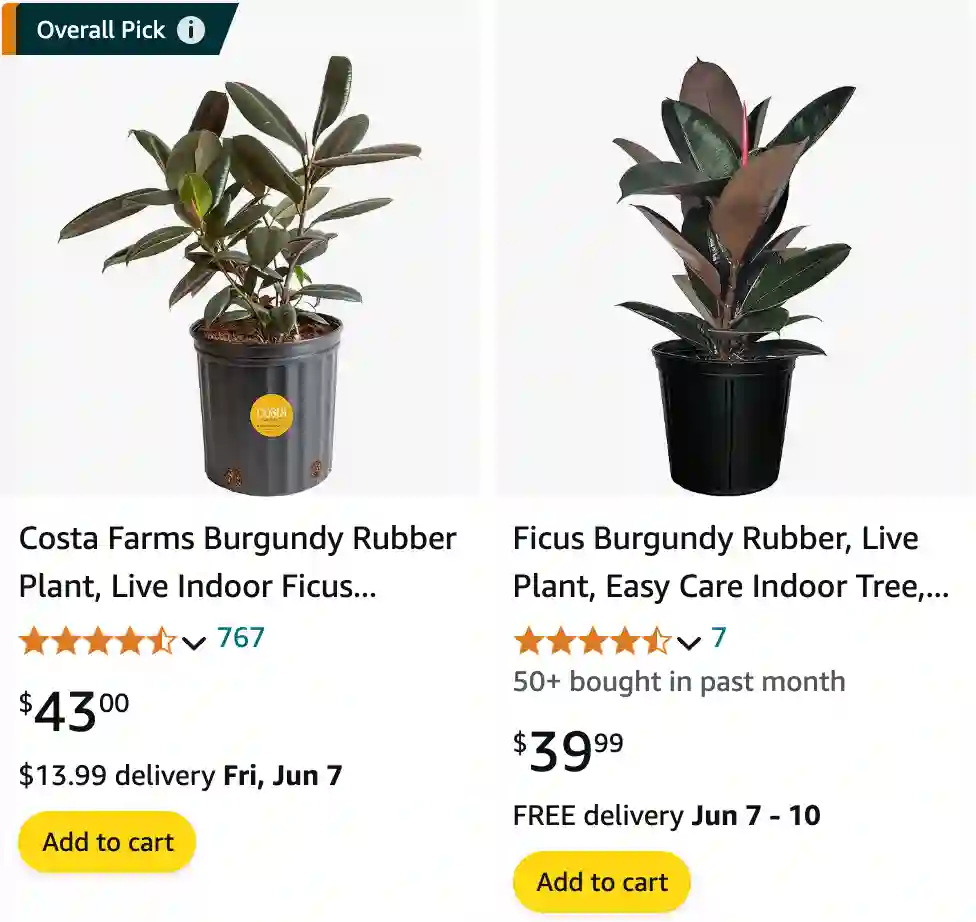
- Online Retailers: Websites like Amazon, Etsy, and specialized plant shops offer a wide selection, often with customer reviews.
- Farmers’ Markets: Local markets can feature unique varieties and support local growers.
Evaluating Plant Health
When purchasing a Ficus plant, it’s essential to evaluate its health to ensure longevity:
- Leaf Inspection: Look for vibrant green leaves without brown spots or yellowing, which can indicate poor health.
- Root Health: If possible, inspect the roots. Healthy roots should be white or light tan and firm, while brown or mushy roots can indicate root rot.
- Pest Check: Examine the plant for pests like spider mites or aphids, which can be detrimental to its health.
Caring for Your Ficus Plant
Once you’ve selected your Ficus plant, proper care is crucial for its growth. Here are some essential care tips:
1. Watering
Overwatering is a common mistake. Follow these guidelines:
- Allow the top inch of soil to dry out before watering.
- Use pots with drainage holes to prevent water logging.
2. Fertilization

Feeding your Ficus plant can encourage healthy growth:
- Use a balanced, water-soluble fertilizer every 4-6 weeks during the growing season (spring and summer).
- Reduce fertilization during the fall and winter months.
3. Pruning
Regular pruning helps maintain shape and encourages bushier growth:
- Trim back leggy growth and remove any dead or yellowing leaves.
- Consider repotting every 1-2 years to promote healthy growth.
Common Issues with Ficus Plants
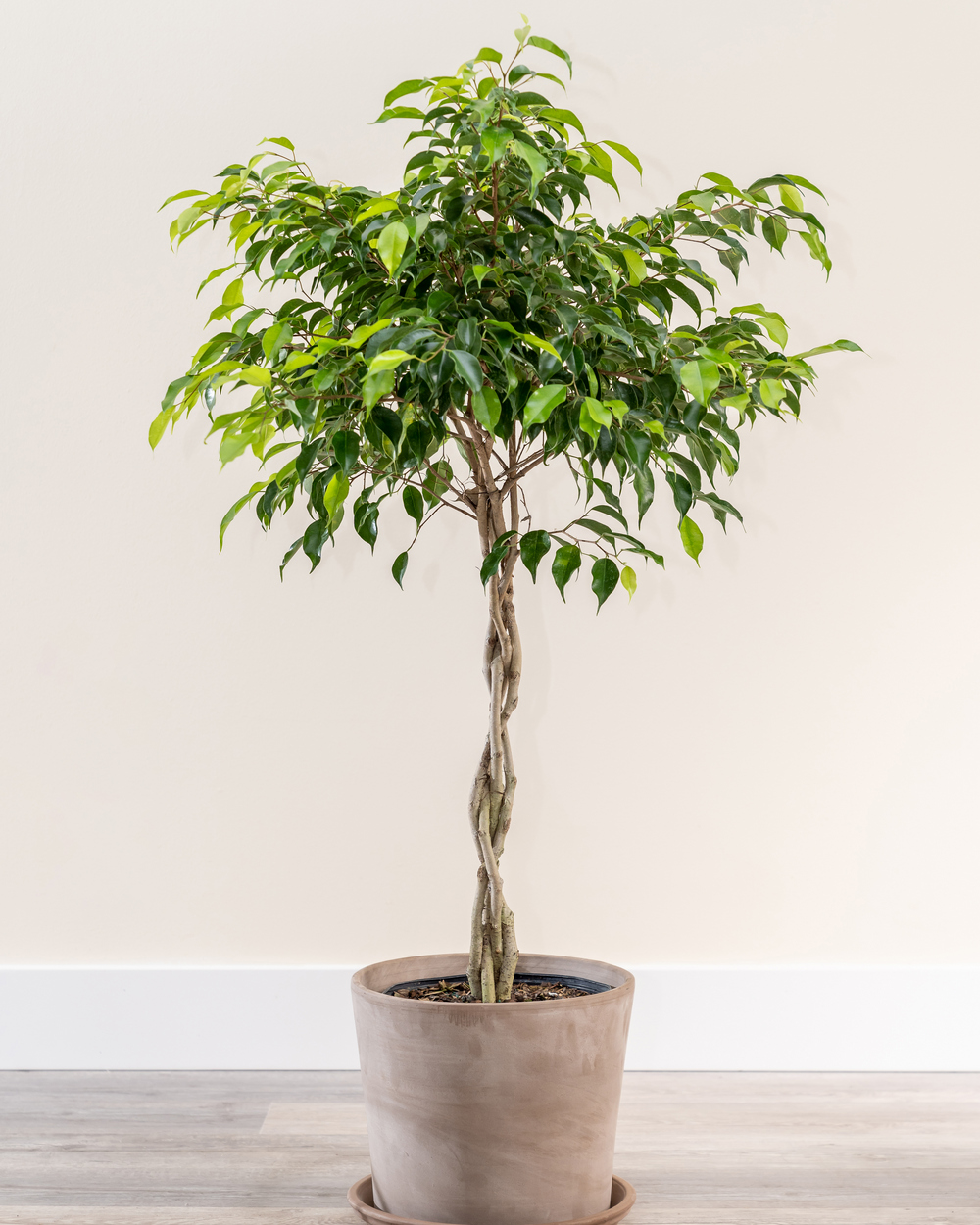
Even with proper care, Ficus plants can face challenges. Here are some common issues and solutions:
- Leaf Drop: This can occur due to sudden changes in environment. Gradually acclimate your plant to new conditions.
- Brown Leaf Tips: This could indicate low humidity or underwatering. Increase humidity levels and monitor watering.
- Pest Problems: Regularly inspect your plant and treat any infestations promptly with insecticidal soap.
Case Study: The Fiddle Leaf Fig Phenomenon
The Fiddle Leaf Fig has surged in popularity over the last decade, becoming a design staple in homes and offices. According to a 2021 survey by the National Gardening Association, Fiddle Leaf Figs were among the top five most popular houseplants for millennials. This surge can be attributed to their dramatic appearance and social media presence. However, they do require specific care, including bright indirect light and consistent humidity levels. This case study exemplifies the importance of understanding a plant’s unique needs before adding it to your collection.
Buying Ficus plants can be a rewarding experience, enhancing your living space while providing various benefits. By understanding the different types of Ficus, assessing your space and light conditions, and knowing how to care for your plant, you can set yourself up for success as a first-time buyer. Remember to evaluate plant health at the time of purchase, seek out reputable sources, and provide adequate care to enjoy the beauty of your Ficus for years to come. With the right knowledge and preparation, you’ll find the perfect Ficus plant for your home or office and enjoy the journey of nurturing your green companion.