Wine is more than just a beverage; it is a rich tapestry woven from culture, geography, and tradition. The journey of a single wine bottle is a fascinating tale that encompasses the artistry of viticulture, the science of winemaking, and the joy of sharing experiences. This article takes you through the entire life cycle of a wine bottle—from grape to glass—while exploring the elegance and sophistication that each step entails.
The Birth of Wine: From Vine to Grape
The journey of wine begins in the vineyard, where the careful cultivation of grapes takes place. This process is influenced by several factors, including climate, soil, and grape variety. The elegance of a wine starts here, with the following aspects playing crucial roles:
- Climate: The ideal climate for grape growing typically includes a warm growing season with a balance of rainfall. Regions like Bordeaux in France and Napa Valley in California are famous for their ideal conditions.
- Soil: The terroir, or the unique characteristics of the soil in which grapes are grown, significantly impacts the flavor profile of the wine. Clay, limestone, and gravel are some of the common soil types that contribute to the wine’s complexity.
- Grape Variety: Different grape varieties have distinct characteristics. For example, Cabernet Sauvignon is known for its bold flavors, while Pinot Noir is celebrated for its elegance and finesse.
The Harvest: Selecting the Perfect Grapes

Once the grapes have ripened, the harvest begins. This is a critical moment in the wine’s journey, as the timing of the harvest can influence the wine’s taste and quality.
- Hand Harvesting vs. Machine Harvesting: Many premium wines are hand-harvested, allowing for a selection of the best grapes. In contrast, machine harvesting is faster and less expensive but may lead to the inclusion of inferior grapes.
- Timing: Grapes are typically harvested based on sugar content, acidity, and flavor. Winemakers often conduct taste tests to determine the right moment to pick.
The Winemaking Process: Art Meets Science
Once the grapes are harvested, they undergo a meticulous winemaking process that combines both art and science. This stage is where the transformation of grapes into wine occurs.
Crushing and Fermentation

The first step in winemaking after harvesting is crushing the grapes. This can be done manually or using machines. The crushed grapes are then transferred to fermentation tanks, where the magic begins.
- Fermentation: Yeast is added to the grape juice, converting sugars into alcohol and carbon dioxide. The temperature and duration of fermentation can greatly affect the wine’s flavor.
- Malolactic Fermentation: This secondary fermentation process softens the acidity of the wine, creating a creamier mouthfeel, especially in red wines.
Aging: Maturing to Perfection
After fermentation, the wine is aged, which is critical for developing complexity and character. Aging can take place in various vessels, including:
- Stainless Steel Tanks: Often used for white wines, preserving the fresh fruit flavors.
- Oak Barrels: Common for red wines, oak aging imparts tannins, flavors, and aromas, such as vanilla and spice, to the wine.
The aging process can last anywhere from a few months to several years, depending on the type of wine being produced. For example, fine Bordeaux wines may age for a decade or more before being released.
Bottling: The Final Touch

Once the wine has matured, it is time for bottling. This stage is not merely a mechanical process; it is a moment filled with anticipation and care.
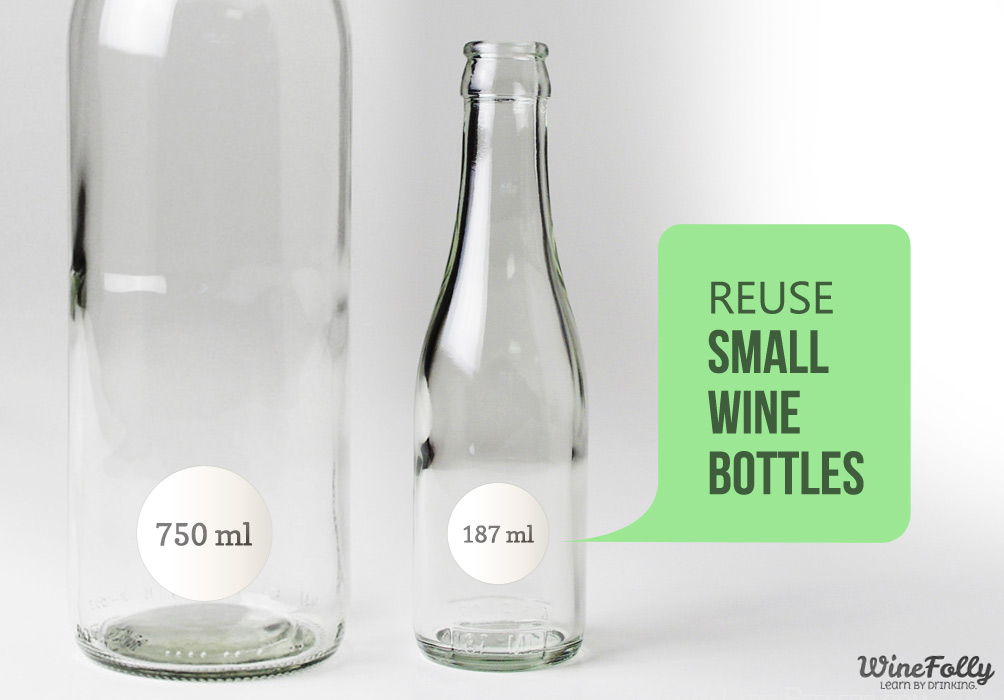
- Choosing the Right Bottle: The choice of bottle can affect the wine’s aging potential. Dark glass bottles are commonly used to protect the wine from light exposure.
- Cork vs. Screw Cap: Traditional cork closures allow for a slow exchange of air, which can enhance aging. However, screw caps are gaining popularity for their consistency and reliability.
The Journey to the Consumer: Distribution and Marketing

After bottling, the wine embarks on a journey to reach consumers. This phase is vital for ensuring that the elegance of the wine is preserved and communicated effectively.
Distribution Channels
Wines can be distributed through various channels, including:
- Wineries: Many wineries have tasting rooms and sell directly to consumers.
- Retailers: Wine shops and supermarkets often stock a variety of wines, catering to different preferences and budgets.
- Restaurants: Fine dining establishments curate wine lists to complement their menus, often featuring premium options.
Marketing Strategies
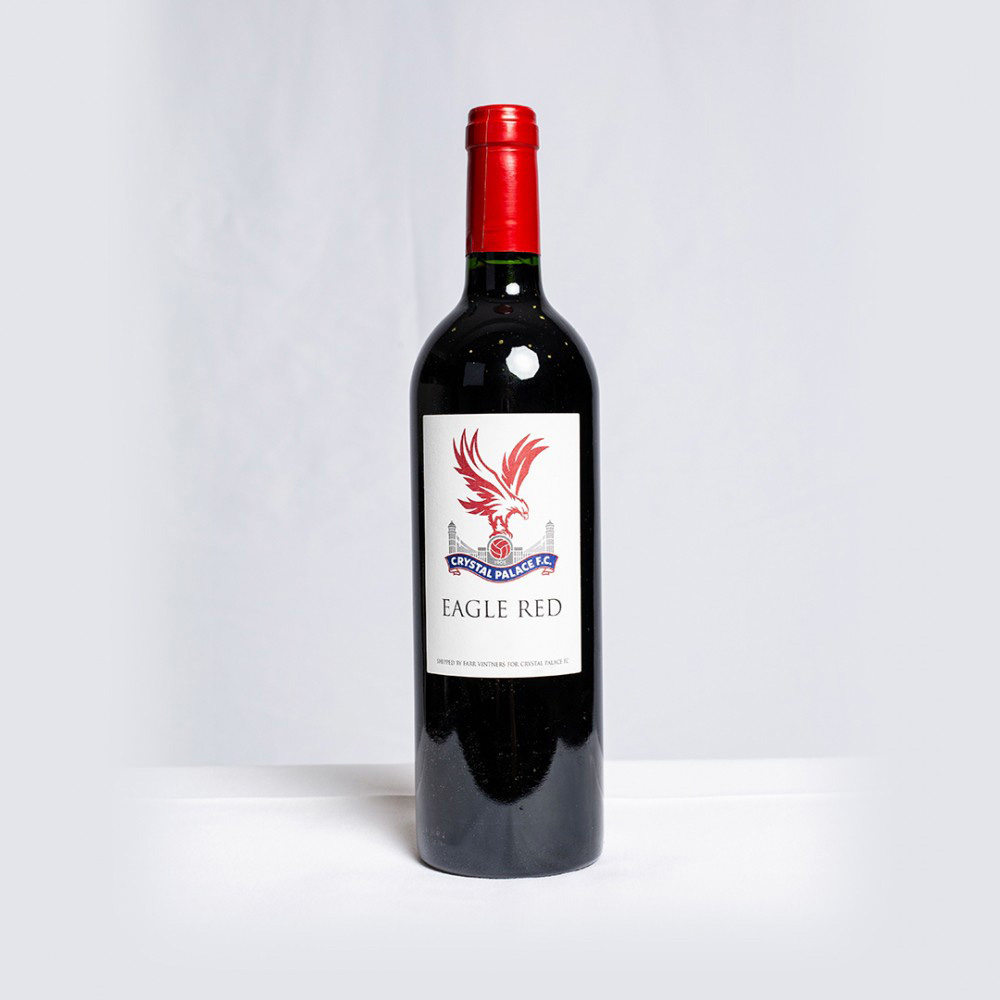
Effective marketing is crucial for a wine’s success. Strategies can include:
- Storytelling: Sharing the vineyard’s history and winemaking process can create a connection with consumers.
- Wine Tasting Events: Hosting events allows potential buyers to experience the wine firsthand, fostering a deeper appreciation.
The Experience: Uncorking and Enjoying Wine
Finally, the moment arrives when the wine is uncorked and enjoyed. This is where the elegance of the entire journey comes together.
- Choosing the Right Glass: Different types of glasses can enhance the wine’s aromas and flavors. For example, a wide bowl is ideal for Cabernet Sauvignon, while a narrower glass suits Pinot Noir.
- Serving Temperature: The ideal serving temperature varies by wine type—whites are typically served chilled, while reds are best at room temperature.
The joy of sharing a bottle of wine with friends or family is an experience that transcends the beverage itself, transforming it into a celebration of life.
Conclusion: The Elegance of Wine Unveiled
The journey of a single wine bottle—from vine to glass—is a compelling narrative filled with artistry, science, and tradition. Each phase of this journey contributes to the wine’s final character, echoing the dedication and passion of those involved in its creation. From the careful selection of grapes to the meticulous winemaking process and the thoughtful marketing strategies, every step is crucial in uncorking elegance.
As you enjoy a glass of wine, take a moment to appreciate the intricate journey it has undergone. Whether you are a connoisseur or a casual drinker, understanding this journey enhances your appreciation of wine and the experiences it brings. Cheers to the elegance of wine and the stories each bottle holds!