In the ever-evolving landscape of electronics and communication, cables play an indispensable role, acting as the silent conduits that carry vital information. Among these essential components, coaxial cable stands out as a remarkably versatile and enduring technology. From transmitting television signals to powering internet connectivity, its ubiquitous presence belies a sophisticated design that has been optimized for decades. This comprehensive guide will delve into the intricacies of coaxial cable, exploring its construction, fundamental principles, diverse applications, and the factors that contribute to its continued relevance.
The Anatomy of Coaxial Cable: A Layered Marvel

At its core, coaxial cable is a marvel of engineering, designed to transmit electrical signals with minimal loss and interference. Its name, “coaxial,” directly refers to its unique construction: the inner conductor and the outer shielding share the same geometric axis. This arrangement is crucial for its performance.
Let’s break down the distinct layers:
- The Inner Conductor: This is typically a solid or stranded copper wire, responsible for carrying the actual electrical signal. The material and thickness of the inner conductor directly impact the cable’s impedance and signal-carrying capacity.
- The Dielectric Insulator: Surrounding the inner conductor is a layer of insulating material, often made of polyethylene or Teflon. This insulator serves a dual purpose: it maintains a precise distance between the inner conductor and the outer shielding, and it prevents the two from coming into contact, which would cause a short circuit. The dielectric constant of this material significantly influences the cable’s characteristic impedance.
- The Outer Shielding: This layer, also concentric with the inner conductor, is usually a braided copper mesh, a solid metal foil, or a combination of both. The primary function of the shielding is to protect the signal within from external electromagnetic interference (EMI). It acts as a Faraday cage, reflecting or absorbing unwanted radio frequencies. The effectiveness of the shielding is often measured by its “coverage,” with higher coverage offering superior protection.
- The Outer Jacket: The outermost layer is a protective sheath, typically made of PVC or other durable plastics. This jacket shields the inner components from physical damage, moisture, and environmental degradation. It also provides color coding for identification purposes.
The Physics of Coaxial Transmission: Keeping Signals Pure
The effectiveness of coaxial cable hinges on its ability to maintain signal integrity. This is achieved through a combination of its physical design and the principles of electromagnetic wave propagation.
Key principles at play include:
- Characteristic Impedance: This is a fundamental property of coaxial cable, representing the ratio of voltage to current in a traveling wave. It is determined by the physical dimensions of the inner conductor and outer shield, as well as the dielectric constant of the insulating material. Common impedances for coaxial cables are 50 ohms and 75 ohms. For optimal signal transfer and minimal reflection, the impedance of the cable must match the impedance of the connected devices (transmitters and receivers). Mismatched impedances can lead to signal reflections, which degrade signal quality and reduce power transfer.
- Electromagnetic Interference (EMI) Rejection: The concentric design, particularly the braided or foil shielding, is highly effective at preventing external electromagnetic fields from inducing unwanted currents in the inner conductor. This is critical in environments with high levels of electrical noise, such as near motors, power lines, or other electronic equipment.
- Signal Attenuation: While coaxial cable is designed to minimize signal loss, some attenuation is inevitable. This loss is primarily due to the resistance of the conductors and the dielectric losses in the insulator. Attenuation increases with frequency and cable length. For long cable runs or high-frequency applications, thicker conductors, better dielectric materials, and high-quality shielding are essential to minimize attenuation.
A Spectrum of Applications: Where Coaxial Cable Shines
The robustness and signal integrity of coaxial cable have led to its widespread adoption across a multitude of applications:
1. Television Broadcasting and Distribution
Perhaps the most familiar application of coaxial cable is in the transmission of television signals. For decades, CATV (Community Antenna Television) systems have relied on coaxial cable to deliver analog and digital television channels to homes. The 75-ohm impedance standard is prevalent in this sector. Even with the rise of fiber optics, coaxial cable continues to play a significant role in the “last mile” of cable TV delivery, often in conjunction with newer technologies like DOCSIS (Data Over Cable Service Interface Specification) for internet access.
2. Internet Connectivity
Cable modems, essential for broadband internet access over cable TV networks, utilize coaxial cable. DOCSIS standards have evolved to enable increasingly higher data speeds over existing coaxial infrastructure, making it a cost-effective solution for many internet service providers. For example, DOCSIS 3.1 can support download speeds of up to 10 Gbps, demonstrating the continued relevance of coaxial technology in the digital age.
3. Radio Frequency (RF) Transmission
Coaxial cable is the backbone of many radio frequency transmission systems. This includes:
- Amateur Radio (Ham Radio): Ham radio operators extensively use coaxial cable to connect their transceivers to antennas, enabling long-distance communication.
- Wireless Communication Systems: Base stations for cellular networks, Wi-Fi access points, and other wireless communication infrastructure often employ coaxial cable for antenna connections.
- Test and Measurement Equipment: In laboratories and testing environments, coaxial cables are used to connect signal generators, oscilloscopes, and other measurement devices due to their predictable impedance and low signal loss.
4. Satellite Communication
The signals from satellite dishes to receivers (set-top boxes) are almost exclusively transmitted via coaxial cable. The low attenuation and good shielding properties are crucial for receiving weak satellite signals with minimal degradation.
5. Networking and Data Transmission

While Ethernet cables have largely replaced coaxial cable in local area networks (LANs) for computer networking, older networking standards like Thinnet and Thicknet (using BNC connectors) were based on coaxial cable. Some specialized industrial or high-frequency networking applications might still utilize coaxial cable.
Types of Coaxial Cable: Tailoring to the Task

Not all coaxial cables are created equal. Different applications necessitate different cable constructions, leading to a variety of types, each with its own characteristics:
- RG-6: This is the most common type of coaxial cable used today for cable TV and satellite TV. It typically has a 75-ohm impedance and features a thicker dielectric and better shielding than older RG-59 cables, leading to lower signal loss.
- RG-59: Historically used for CCTV (Closed-Circuit Television) and older TV antenna installations, RG-59 has a thinner conductor and is more prone to signal loss, making it less suitable for long runs or high-frequency applications compared to RG-6.
- RG-11: This is a thicker, higher-quality coaxial cable with excellent low-loss characteristics, often used for longer cable runs or in professional installations where signal integrity is paramount. It also has a 75-ohm impedance.
- RG-58: A 50-ohm coaxial cable commonly used in RF applications, including amateur radio and older Ethernet networks.
- LMR (Low Loss Microwave) Cables: These are specialized coaxial cables designed for extremely low signal loss at high frequencies, often used in applications like mobile communications and radar systems.
Choosing the Right Coaxial Cable: Key Considerations

Selecting the appropriate coaxial cable for a specific project is crucial for optimal performance. Several factors should be taken into account:
- Impedance Matching: Ensure the cable’s impedance (e.g., 50 ohm or 75 ohm) matches the impedance of the connected equipment.
- Frequency Range: Higher frequencies experience greater attenuation. Choose a cable with low loss characteristics for the intended operating frequency.
- Cable Length: For longer runs, opt for thicker cables with better shielding to minimize signal degradation.
- Environmental Conditions: Consider whether the cable will be exposed to moisture, UV radiation, or physical damage, and select a cable with appropriate jacket material.
- Shielding Effectiveness: In environments with high EMI, prioritize cables with robust shielding (e.g., double-braided or foil-wrapped).
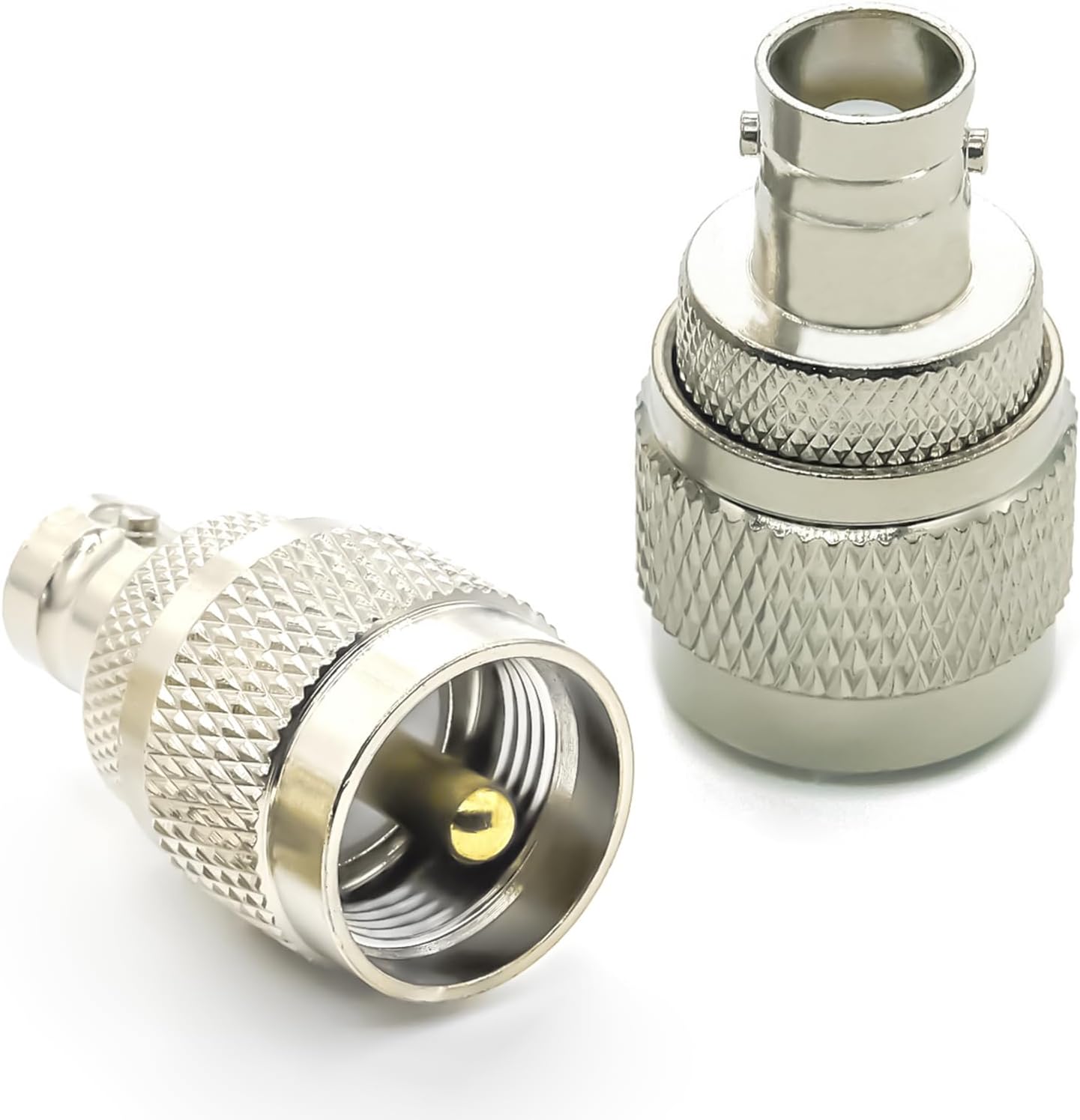
- Connector Compatibility: Ensure the connectors on the cable (e.g., F-type, BNC, SMA) are compatible with the devices you intend to connect.
The Future of Coaxial Cable: Resilience in a Fiber Optic World
While fiber optic technology offers superior bandwidth and lower latency for long-haul transmissions, coaxial cable continues to hold its ground due to several compelling advantages:
- Cost-Effectiveness: Existing coaxial infrastructure is extensive and often far cheaper to upgrade or utilize than to replace entirely with fiber optics.
- Ease of Installation: Coaxial cable is generally easier and less specialized to install and terminate than fiber optic cables, requiring less training and specialized tools.
- Durability: Coaxial cable is more robust and less prone to damage from bending or mishandling compared to fragile fiber optic strands.
- Power Transmission: Some coaxial cables can carry both data and DC power, simplifying installations for devices like active antennas.
The ongoing development of DOCSIS standards, for instance, showcases the innovative ways coaxial cable is being leveraged to deliver high-speed internet, bridging the gap between existing infrastructure and future bandwidth demands. Furthermore, in hybrid fiber-coaxial (HFC) networks, coaxial cable remains essential for the “last mile” delivery of data and video to homes.
The Enduring Legacy of Coaxial Cable

Coaxial cable, with its elegant and effective layered design, has been a cornerstone of modern communication for decades. Its ability to transmit signals with minimal interference and loss, coupled with its cost-effectiveness and durability, has cemented its place in a wide array of applications, from our living rooms to complex broadcasting systems. While newer technologies emerge, the inherent strengths of coaxial cable, particularly its resilience and adaptability within existing infrastructure, ensure its continued relevance. Understanding its construction, the physics that govern its operation, and the diverse types available empowers users to make informed decisions and harness the full potential of this indispensable communication medium.