Ceiling fans with lights are not just functional; they’re also an excellent way to enhance the aesthetic appeal of your home. With a myriad of styles, sizes, and features available, selecting the perfect traditional ceiling fan with light can be a daunting task. This article will guide you through the essential factors to consider when choosing a ceiling fan, ensuring that you make an informed decision that aligns with your needs and home decor.
Understanding the Benefits of Ceiling Fans
Before diving into the selection process, it’s essential to understand the benefits of installing a ceiling fan with light in your home. Here are some advantages:
- Energy Efficiency: Ceiling fans can help reduce energy costs by circulating air, allowing you to set your thermostat a few degrees higher in summer and lower in winter.
- Increased Comfort: By creating a wind-chill effect, ceiling fans can help keep you cool during hot months and distribute warm air during colder seasons.
- Aesthetic Appeal: A well-chosen ceiling fan can act as a focal point in a room, adding style and character.
- Lighting Options: Many ceiling fans come with integrated lighting, providing both ambient and task lighting in one fixture.
Factors to Consider When Choosing a Ceiling Fan
When selecting a traditional ceiling fan with light, several critical factors should influence your decision. These include:
1. Room Size

The size of the room where you plan to install the ceiling fan is crucial for ensuring optimal airflow and comfort. Here are some guidelines:
- Small Rooms (up to 75 sq. ft.): Choose a fan with a blade span of 29 to 36 inches.
- Medium Rooms (76 to 144 sq. ft.): Opt for a fan with a blade span of 36 to 42 inches.
- Large Rooms (145 to 225 sq. ft.): Go for a fan with a blade span of 44 to 54 inches.
- Extra Large Rooms (over 225 sq. ft.): Consider fans with a blade span of 56 inches or more.
2. Ceiling Height
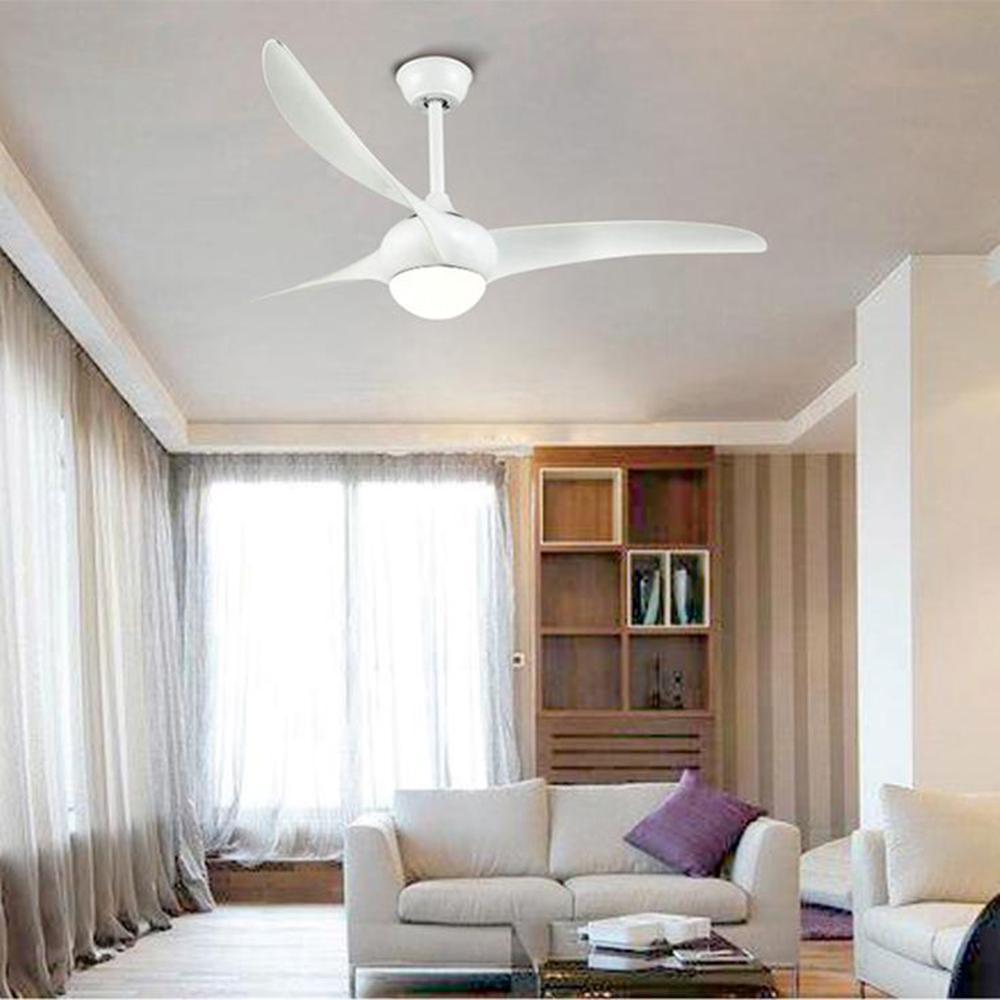
The height of your ceiling will determine whether you need a flush mount or a downrod fan. Here’s how to decide:
- Low Ceilings (8 feet or lower): A flush mount fan is ideal to prevent head bumps.
- Standard Ceilings (9 to 10 feet): A fan with a standard downrod will work well.
- High Ceilings (10 feet or higher): Consider a longer downrod to ensure optimal airflow.
3. Style and Design
Traditional ceiling fans come in various designs, materials, and finishes. Your choice should complement your home’s decor. Consider the following styles:
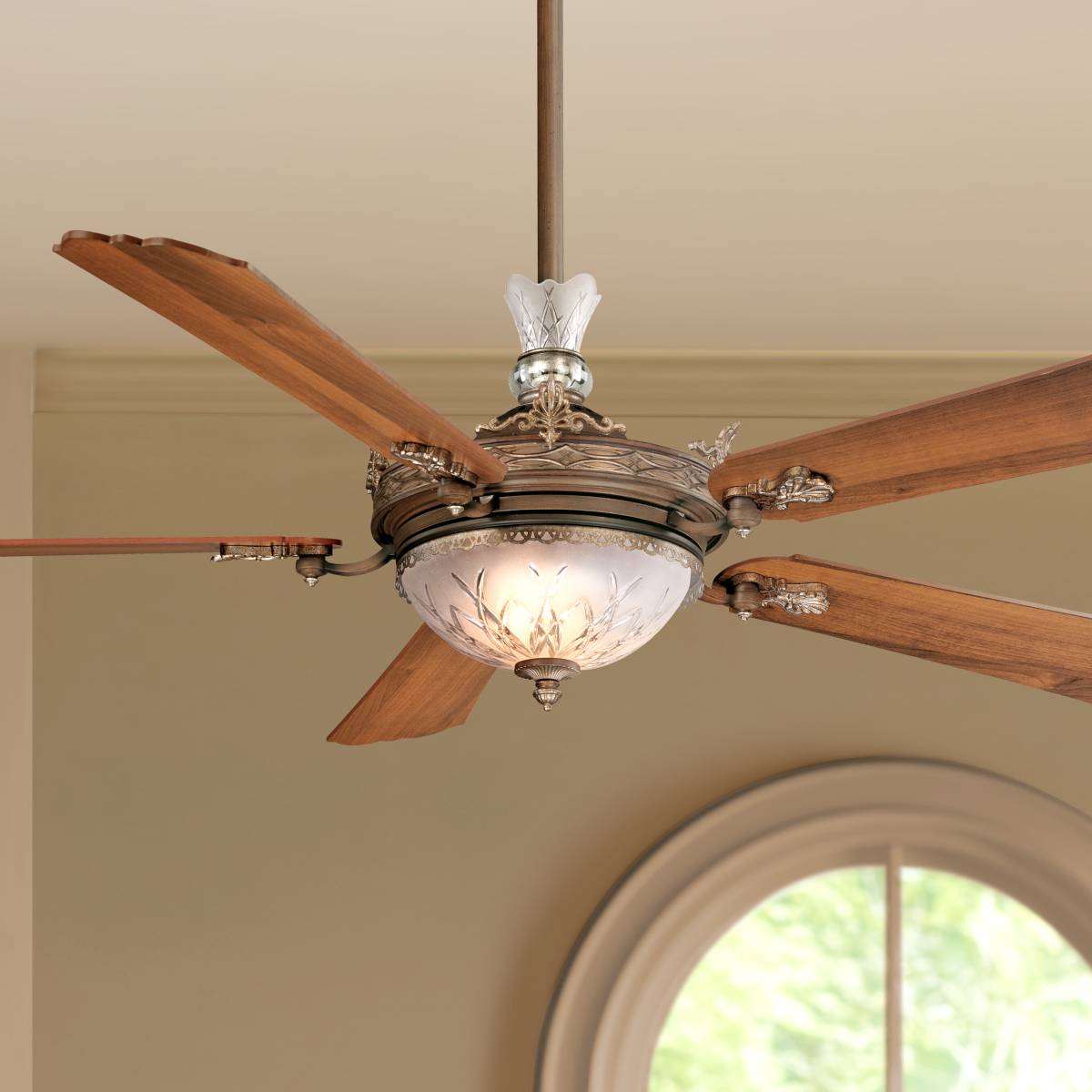
- Classic Wood Blades: Ideal for rustic or traditional homes.
- Metal Blades: Perfect for modern and industrial aesthetics.
- Decorative Features: Look for fans with intricate designs or finishes to enhance elegance.
4. Motor Quality and Noise Level
The motor of a ceiling fan is its heart. A high-quality motor ensures durability and efficient performance. Look for:
- DC Motors: More energy-efficient and quieter than traditional AC motors.
- Ball Bearings: Ensure smoother operation and reduced noise levels.
5. Lighting Options
Certain ceiling fans come with integrated lighting. When selecting a fan with light, consider:
- Type of Bulbs: LED bulbs are energy-efficient and long-lasting.
- Light Output: Ensure the fan provides adequate illumination for the room size.
- Dimmer Features: Some fans offer dimmable lights, adding versatility to your lighting scheme.
Installation and Maintenance

Once you’ve chosen the perfect ceiling fan, consider the installation process. Many fans come with detailed installation instructions, but you might want to hire a professional electrician for safety and efficiency. Additionally, regular maintenance is essential to keep your fan running smoothly:
- Dust and Clean: Clean the blades regularly to prevent dust buildup.
- Check for Wobbling: Ensure that the fan is securely attached and balanced.
- Inspect the Motor: Periodically check the motor for any noise or irregularities.
Case Studies and Examples
To illustrate the importance of choosing the right ceiling fan, consider the following case studies:
Case Study 1: The Smith Family

The Smith family lives in a 2000 sq. ft. home with high ceilings. They initially purchased a flush mount fan, which resulted in inadequate airflow and discomfort during summer. After consulting with an interior designer, they opted for a 56-inch downrod fan with a powerful DC motor and integrated LED lighting. The result was improved airflow, enhanced comfort, and a stylish centerpiece in their living room.
Case Study 2: The Johnsons’ Energy Savings
In a smaller, energy-efficient home, the Johnsons installed a 36-inch fan with a high-efficiency motor. They reported a decrease in their summer cooling bills by 30% after using the fan to circulate cool air. The integrated light fixture also allowed them to minimize additional lighting costs, showcasing the combined benefits of style and functionality.
Statistics to Consider
According to the U.S. Department of Energy, using ceiling fans can reduce cooling energy costs by 30% when used correctly. Moreover, the American Lighting Association states that homes with properly installed and maintained ceiling fans can improve overall lighting quality while reducing electricity consumption.
Choosing the perfect traditional ceiling fan with light for your home involves careful consideration of size, style, motor quality, and lighting options. By evaluating your room’s dimensions, ceiling height, and overall decor, you can find a ceiling fan that not only enhances comfort and energy efficiency but also elevates the aesthetic of your space. Remember to consider installation and maintenance, and look at real-life case studies to understand the impact of your choice better. With this comprehensive guide, you are now equipped to make an informed decision that will benefit your home for years to come.