Closets, those often-underappreciated spaces in our homes, are the unsung heroes of organization. Yet, for many, they are a constant battle against clutter, a testament to overflowing wardrobes and a desperate plea for more hanging space. If you’ve ever stared into the abyss of your closet, wishing for just a few more inches of vertical real estate, then a closet extension rod might be your salvation. These ingenious devices can transform a cramped closet into a more functional and visually appealing storage solution. But with a plethora of options available, how do you navigate the world of closet extension rods and choose the one that perfectly suits your needs?
Understanding the Core Purpose: Why an Extension Rod?
Before we dive into the nitty-gritty of selection, it’s crucial to understand the primary benefits an extension rod offers. The fundamental goal is to maximize vertical storage. This typically involves adding a second tier of hanging space below your existing rod, effectively doubling the amount of clothing you can hang. This is particularly beneficial for:
- Maximizing Vertical Space: This is the most obvious advantage. By adding a second rod, you can utilize the unused space below your current hanging items.
- Organizing Different Garment Types: Shorter garments like shirts, blouses, skirts, and folded pants can be neatly hung on a lower rod, keeping them separate from longer items like dresses, coats, and trousers.
- Preventing Wrinkles and Creasing: When clothes are crammed together, they tend to wrinkle. An extension rod can provide more breathing room, allowing garments to hang freely.
- Improving Visibility and Accessibility: With organized hanging space, it’s easier to see and access all your clothing, saving you precious time during busy mornings.
- A Cost-Effective Solution: Compared to custom closet systems or building new shelving, extension rods are a budget-friendly way to significantly improve closet functionality.
Types of Closet Extension Rods: A Categorization
The market offers a variety of extension rods, each designed with different installation methods and features. Understanding these distinctions is key to making an informed choice.
Tension-Mounted Rods: The Quick and Easy Fix
Tension-mounted rods are perhaps the most common and easiest to install. They work by expanding to fit snugly between the closet walls, relying on spring-loaded tension to stay in place. This makes them ideal for renters or those who prefer a non-permanent solution.
- Pros:
- Extremely easy to install and remove.
- No drilling or permanent fixtures required.
- Adjustable to fit a range of closet widths.
- Relatively inexpensive.
- Cons:
- Weight capacity can be limited, especially for heavier items.
- May slip or loosen over time, particularly in humid environments or with frequent use.
- Not suitable for all closet wall materials (e.g., very smooth or uneven surfaces).
Example: Sarah, a college student living in a dorm, found her single closet rod overwhelmed by her extensive collection of t-shirts and sweaters. She opted for a tension-mounted extension rod. “It was a lifesaver!” she exclaimed. “I simply expanded it to fit, and now I can hang twice as many shirts. Plus, I didn’t have to worry about damaging the walls.”
Screw-In Rods: For a Secure and Robust Hold
Screw-in rods offer a more permanent and robust solution. They require drilling into the closet walls for secure attachment. While the installation is more involved, the resulting stability and weight-bearing capacity are significantly higher.
- Pros:
- Excellent stability and weight capacity.
- Ideal for hanging heavier garments like coats and suits.
- Less likely to sag or fall than tension rods.
- Can be used in a wider range of closet configurations.
- Cons:
- Requires drilling, which may not be desirable for renters.
- Installation is more time-consuming and requires basic tools.
- Permanent installation means less flexibility if you want to reconfigure your closet later.
Case Study: The Miller family, with three growing children, faced a constant struggle to keep their children’s closets organized. They invested in screw-in extension rods for each child’s closet. “The difference has been night and day,” says Mrs. Miller. “Before, it was a chaotic mess. Now, each child has their own designated hanging space, and we haven’t had any issues with the rods coming loose, even with all their winter coats.”
Adjustable Hanging Rods: Versatility in Design
These rods often combine elements of both tension and screw-in designs, offering adjustable lengths and sometimes a combination of mounting methods. Some may have clamps that attach to the existing rod, while others offer a telescoping design that expands and locks into place. The key here is often the adjustability in length to fit varying closet widths.
- Pros:
- High degree of adjustability for different closet sizes.
- Can offer a good balance between ease of installation and stability.
- Some models are designed to be easily moved or repositioned.
- Cons:
- Quality and stability can vary significantly between brands and models.
- May require some assembly.
Hanging Closet Systems (Partial Solutions): Beyond Basic Rods
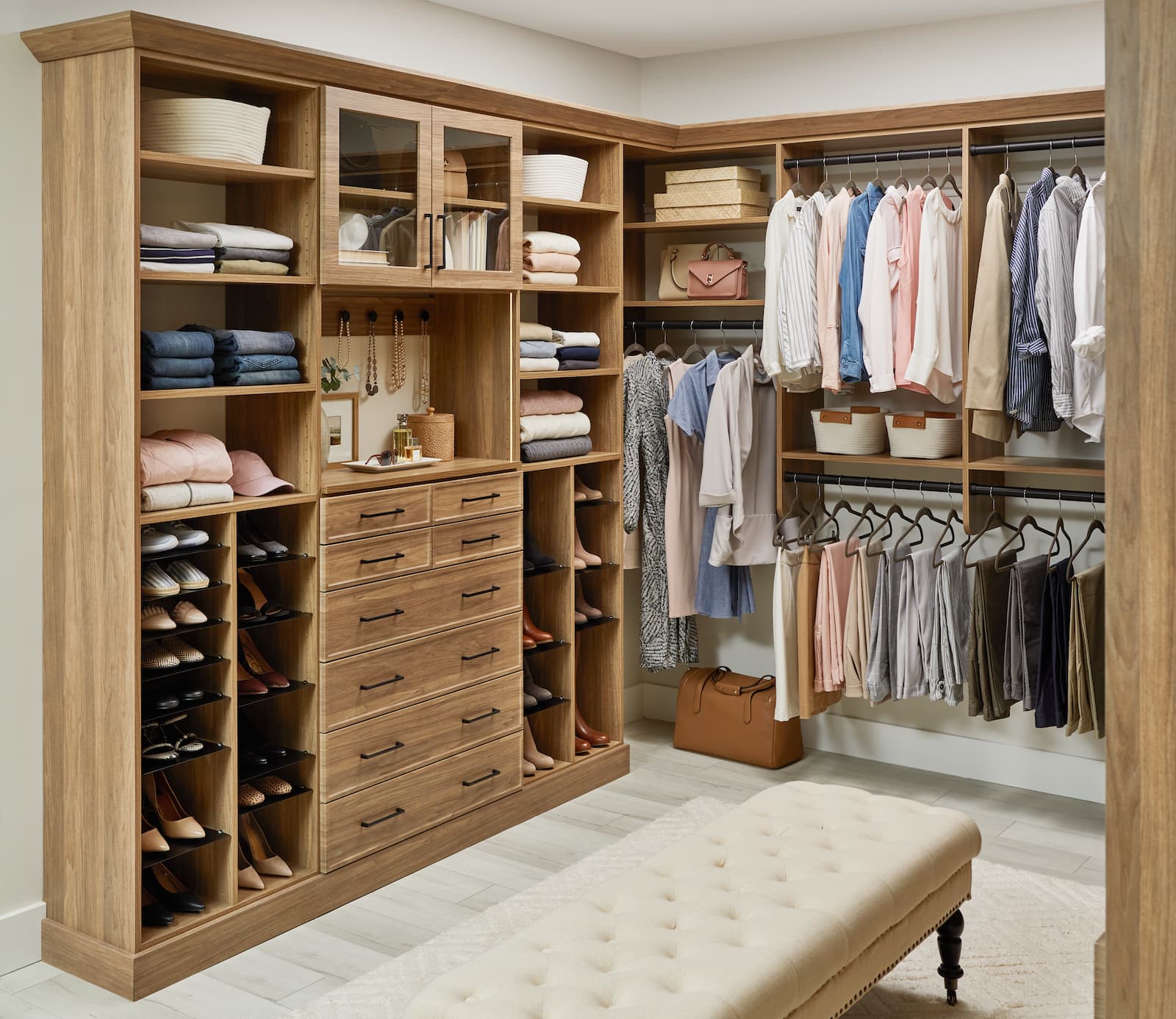
While not strictly just an “extension rod,” it’s worth noting that some hanging closet systems incorporate extendable rod elements. These are more comprehensive solutions that might include shelves, drawers, and multiple rods. If you’re looking for a more complete closet overhaul, these could be an option, often with the ability to add or extend hanging rods as needed.
Key Factors to Consider When Choosing

Now that we’ve explored the types, let’s delve into the critical factors you need to consider to make the optimal choice for your specific situation.
1. Closet Dimensions and Layout
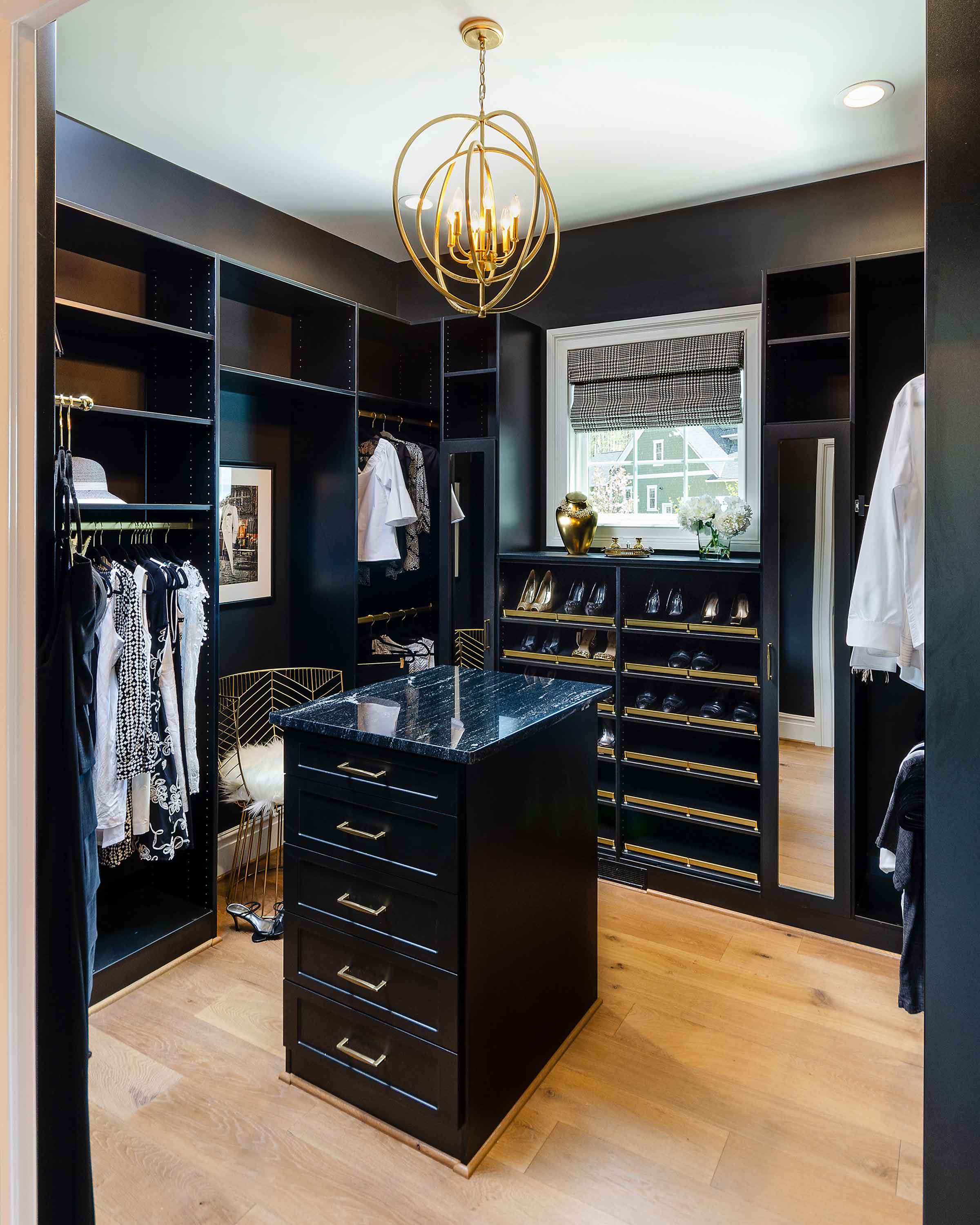
This is arguably the most important factor. Measure your closet carefully!
- Width: Ensure the rod you choose can extend to accommodate your closet’s width. Most products will specify a minimum and maximum length.
- Height: Consider the available vertical space between your existing rod and the floor. This will determine how much hanging room you gain.
- Wall Material: If you’re considering a screw-in rod, identify your wall material (drywall, plaster, wood). You’ll need appropriate anchors and screws.
- Existing Fixtures: Note the placement of any existing shelves, lights, or doors that might interfere with installation.
Statistic: According to a recent survey on home organization, 72% of homeowners struggle with maximizing closet space. This highlights the widespread need for effective solutions, making accurate measurement crucial.
2. Weight Capacity: What Are You Hanging?

The type and quantity of clothing you intend to hang will dictate the required weight capacity of the extension rod.
- Lightweight Garments: T-shirts, blouses, and thin sweaters generally don’t require a high weight capacity.
- Mid-Weight Items: Jeans, trousers, and lighter jackets can add more weight.
- Heavy Items: Coats, suits, and formal wear will put the most strain on the rod.
Always check the manufacturer’s specifications for the maximum weight capacity. Opting for a rod with a higher capacity than you think you’ll need can provide peace of mind and longevity.
3. Ease of Installation and Maintenance
Consider your DIY skills and available tools. If you’re not comfortable with drilling, a tension-mounted rod is the obvious choice. If you’re looking for a long-term, secure solution, a screw-in rod might be worth the effort.
Maintenance is also a factor. Some rods may require occasional tightening or adjustment, especially tension rods. Screw-in rods are generally maintenance-free once installed.
4. Material and Durability
Closet extension rods are typically made from metal (steel, aluminum) or sturdy plastic. Metal rods are generally more durable and can support heavier loads. Look for rods with a rust-resistant finish, especially if your closet is prone to humidity.
5. Aesthetics and Design
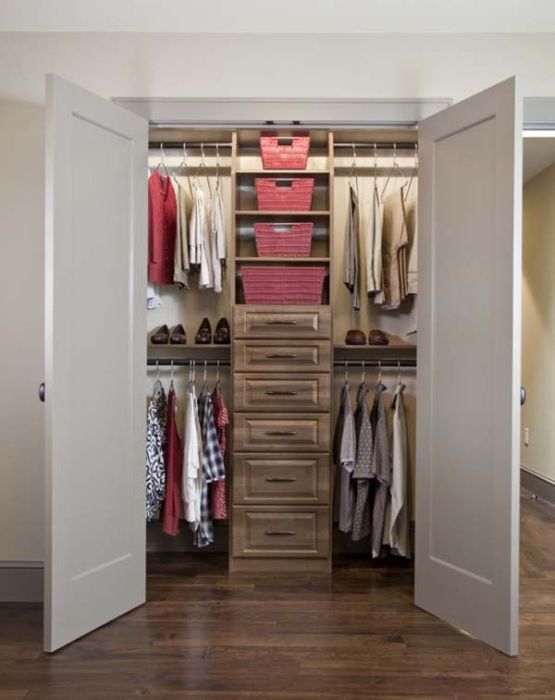
While functionality is primary, the appearance of your extension rod can also matter, especially if your closet is open or visible. Many rods come in a variety of finishes like chrome, brushed nickel, or white to complement your existing closet hardware.
6. Budget

Closet extension rods range in price from under $20 for basic tension rods to over $100 for more elaborate hanging systems with extendable rod components. Determine your budget and look for the best value within that range.
Tips for Maximizing Your New Extension Rod
Once you’ve chosen and installed your extension rod, here are some tips to get the most out of your new storage solution:
- Group Similar Items: Hang shirts together, pants together, etc., on both the upper and lower rods.
- Utilize Slim Hangers: Switching to slim, velvet hangers can save significant space on both rods.
- Fold Bulky Items: Items like thick sweaters or blankets might be better folded and stored on shelves or in bins to avoid overcrowding the hanging rods.
- Regular Decluttering: An extension rod can tempt you to overstuff your closet. Regularly review your wardrobe and donate or discard items you no longer wear.
- Consider Drawer Organizers: For items that can’t be hung, utilize drawer organizers on shelves to keep smaller items tidy.
The Height of Closet Organization
Choosing the right closet extension rod is more than just a purchase; it’s an investment in an organized and functional living space. By understanding the different types available, carefully considering your closet’s dimensions, the weight capacity you need, and your personal preferences for installation and aesthetics, you can transform a cluttered closet into a haven of order. Whether you opt for the simplicity of a tension rod or the enduring strength of a screw-in solution, the goal remains the same: to unlock the full potential of your closet and bring harmony to your wardrobe.